
As we move into June 2026, the intersection of joint health management and preventative diagnostics is evolving, with a growing focus on the role of specialized nutritional supplementation and proactive blood-value analysis. For many, maintaining skeletal integrity is a daily priority, as joints—the critical connection points where bones meet—serve as the foundation for movement and structural support throughout the human body, according to the Cleveland Clinic.
Whether you are managing chronic discomfort or simply looking to support long-term mobility, understanding how these anatomical structures function is the first step toward effective health maintenance. Joints are not merely static hinges; they are complex biological structures, often classified by their composition or their ability to facilitate movement, ranging from those that provide rigid stability to those that allow for complex rotation and swinging, as noted by Britannica.
Understanding Joint Anatomy and Function
To appreciate why new health interventions are gaining traction, it is essential to recognize the role joints play in daily life. A joint is defined by the meeting of two or more adjacent parts of the skeleton. While some joints, such as those in the skull, remain immobile, others are designed for specific ranges of motion, including hinging, pivoting, and ball-and-socket rotation. These systems rely on a delicate balance of cartilage, synovial fluid, and ligaments to function without friction.
When this balance is disrupted, individuals often experience changes in mobility or localized pain. Medical professionals emphasize that identifying these changes early is vital. If you notice persistent discomfort or a reduction in your range of motion, consulting with a healthcare provider is the standard recommendation for determining whether your symptoms require clinical intervention or lifestyle adjustments.
The Role of Diagnostics and Supplementation
The current trend toward integrating blood-value checks with nutritional support reflects a broader shift toward personalized health monitoring. By analyzing specific markers in the blood, individuals and their physicians can better understand the systemic environment affecting their joint health, such as inflammation levels or nutrient deficiencies that might impact cartilage health or bone metabolism.
While the market for joint health supplements is expanding to include a variety of natural ingredients, it is important for consumers to approach these products with a critical eye. Nutritional supplements are intended to support the body’s existing functions rather than act as a substitute for medical treatment. Before adding any new regimen—whether it involves turmeric, Boswellia, or other compounds—it is recommended that you discuss these additions with a primary care provider to ensure they do not interfere with existing medications or underlying health conditions.
Proactive Health Management
Maintaining skeletal health is a lifelong process that extends from head to toe. Beyond the joints we use most frequently, like the ankles or knees, the body contains hundreds of articulations that work in concert to facilitate everyday activities. Taking a proactive approach—which includes staying active, monitoring for changes in joint function, and utilizing diagnostic blood tests when advised by a professional—remains the most effective strategy for long-term wellness.
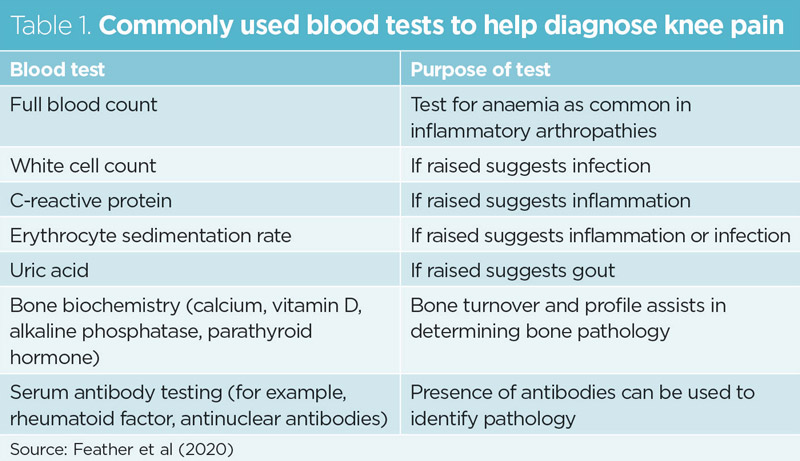
For those seeking to optimize their joint health this June, the best course of action is to schedule a consultation with a primary care provider. A doctor can provide a personalized assessment, help interpret blood work, and guide you toward evidence-based options for supplementation that align with your specific medical history and physical needs.
As we continue to monitor developments in medical nutrition and diagnostic technology, we encourage our readers to share their questions regarding joint care in the comments section below. Stay tuned for further updates on clinical guidelines and health innovations as they become available.
Worth a look