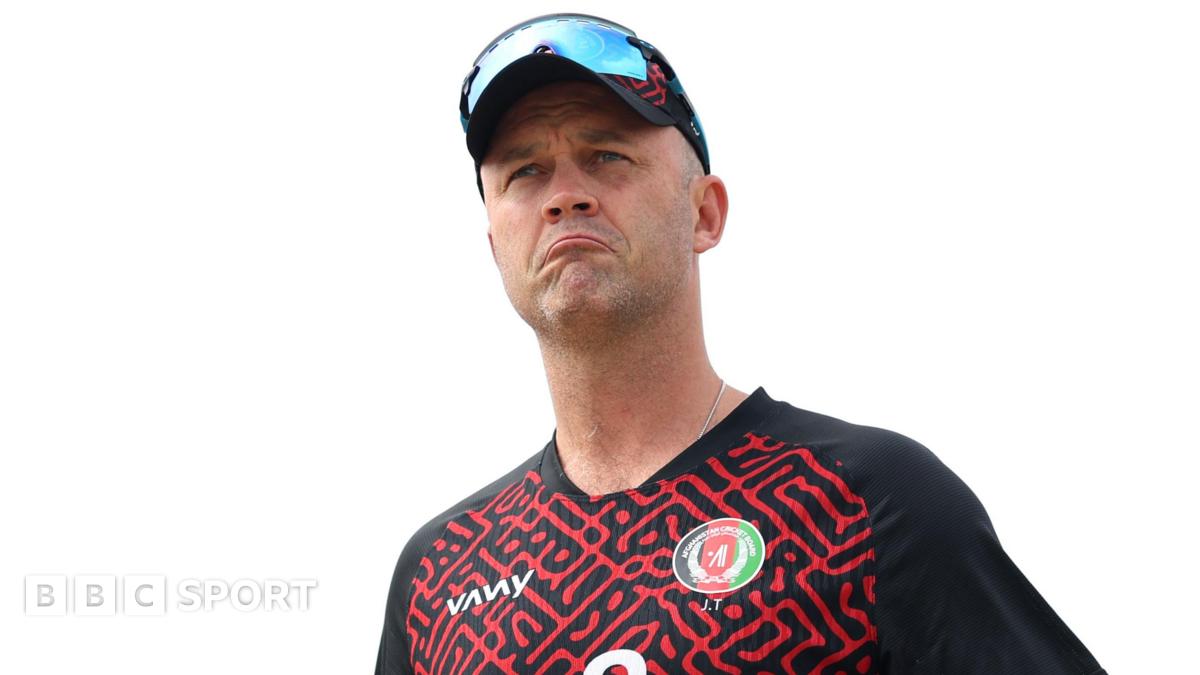
Jonathan Trott to Step Down as afghanistan Head Coach: A Look at His Impact and Future Prospects
The cricketing world is anticipating a shift in leadership as Jonathan Trott, the current head coach of the Afghanistan national cricket team, has announced his departure following the 2026 ICC Men’s T20 World Cup. This decision, revealed by the Afghanistan Cricket Board (ACB), marks the end of a remarkably triumphant era for Trott and opens a new chapter for Afghan cricket. But what does this mean for the team,and what legacy will Trott leave behind?
A Successful Tenure: from semi-Finals to strategic Growth
Trott assumed the role in July 2022 and quickly established himself as a pivotal figure in Afghanistan’s cricketing journey. His leadership culminated in a historic semi-final appearance at the 2023 T20 World Cup – a testament to his tactical acumen and the team’s burgeoning talent. The ACB framed the decision as part of a broader “long-term strategic planning” initiative, aiming to build upon the foundation Trott has laid for the “next phase of the national team’s growth.”
This isn’t simply a coaching change; it’s a calculated move to ensure sustained success. Are you curious about what this strategic shift entails? We’ll delve deeper into the potential implications later.
Trott’s Unique Approach and Challenges
Trott’s tenure was notable for its unconventional nature. Despite coaching Afghanistan for over three years, he has never physically been to the country, opting to base himself in Birmingham, England. He’s maintained a remote coaching style, traveling to the UAE – Afghanistan’s primary training and hosting base – for team camps and matches.
This arrangement, while effective, presented unique challenges. Most Afghan players reside in afghanistan and participate in their domestic leagues. Building team cohesion and a strong rapport remotely requires exceptional dialog and trust. Trott successfully navigated this, fostering a winning environment despite the geographical distance. This raises an interesting question: could remote coaching become a more prevalent model in international cricket?
A Player’s Perspective: Trott’s Cricketing Background
Before guiding Afghanistan, trott enjoyed a distinguished playing career with England. He represented his country in 52 Test matches and 68 One Day Internationals, amassing 6,654 runs across both formats. His experience as a top-order batsman provides him with invaluable insights into the pressures and demands of international cricket.
This playing background is crucial.It allows him to connect with players on a deeper level, understanding their challenges and offering practical advice. he’s not just a strategist; he’s someone who’s been there.
Looking Ahead: The 2026 T20 World Cup and Beyond
The immediate focus remains on the 2026 ICC Men’s T20 World Cup,scheduled to be jointly hosted by India and Sri Lanka. Trott will be determined to leave on a high note, aiming to build on their previous success and possibly lead afghanistan to even greater heights.
However, the ACB’s announcement signals a proactive approach to succession planning. Finding a suitable replacement will be paramount. Potential candidates will likely be assessed on their tactical knowledge, leadership qualities, and ability to foster a positive team environment. Cricket coaching vacancies are always closely watched within the sport.
The Future of Afghanistan Cricket: Key Considerations
Beyond the coaching change, several factors will shape the future of Afghanistan cricket:
* Infrastructure growth: Investing in improved training facilities within Afghanistan is crucial for long-term growth.
* Domestic League Strength: Strengthening the domestic cricket league will nurture emerging talent and provide a competitive pathway for players.
* Political Stability: The ongoing political situation in Afghanistan continues to present challenges, impacting player welfare and international participation.
* Talent Identification: Continued investment in scouting and talent identification programs is essential to unearth the next generation of Afghan stars.
* Strategic Partnerships: Forming strategic partnerships with other cricketing nations can provide valuable resources and expertise.
Evergreen Insights: The Evolving Role of the Cricket Coach
The role of a cricket coach has evolved dramatically in recent years.No longer simply a technical instructor, the modern coach is a strategist, psychologist, and leader. They must be adept at data analysis