
Chong Kun Dang Health has launched Dual S and Triple S, two new high-purity rTG Omega-3 products under its Promega brand, at a time when clinical reports are questioning the efficacy of Omega-3 in preventing dementia. While the new products emphasize high-absorption rTG technology, recent medical discussions suggest that fatty acid supplementation may not serve as an effective preventative measure for Alzheimer’s disease in certain high-risk populations.
The expansion of the Promega line focuses on the “rTG” (re-esterified triglyceride) form of Omega-3, a molecular structure designed to enhance bioavailability. This product launch occurs as the scientific community evaluates the long-term impact of nutritional supplements on neuroprotection and cognitive decline.
What are the new Promega rTG Omega-3 products?
Chong Kun Dang Health, a major player in the South Korean health supplement market, has introduced two specialized versions of its Promega Omega-3 line: Dual S and Triple S. According to company announcements, these products utilize high-purity rTG Omega-3, a form of fish oil that has become a standard for consumers seeking higher absorption rates.
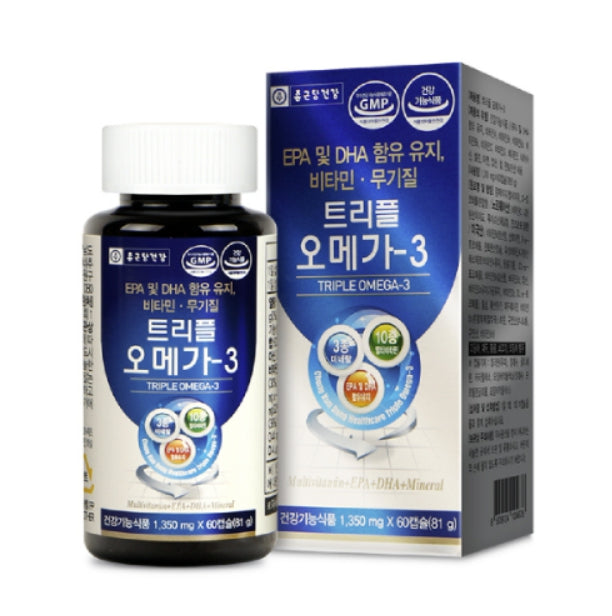
The “Dual S” and “Triple S” designations refer to the specific concentrations and functional formulations within the new product tier. By focusing on the rTG form, the company aims to address common consumer concerns regarding the efficiency of lipid absorption in the digestive tract. The rTG structure is intended to provide a more natural molecular shape compared to older synthetic versions, potentially reducing the amount of supplement required to achieve therapeutic levels of EPA (eicosapentaenoic acid) and DHA (docosahexaenetary acid).
Why is rTG technology used in Omega-3 supplements?
The transition from traditional triglyceride (TG) and ethyl ester (EE) forms to the re-esterified triglyceride (rTG) form represents a significant technical shift in the nutraceutical industry. The primary goal of rTG technology is to maximize the concentration of active ingredients while maintaining high bioavailability.
In the context of medical nutrition, bioavailability refers to the proportion of a nutrient that enters the circulation when introduced into the body and is able to have an active effect. For Omega-3 fatty acids, the molecular structure determines how easily the body can break down and utilize the lipids. The rTG form is engineered to combine the high concentration of the EE form with the high absorption efficiency of the natural TG form.
Medical researchers note that the purity of the source oil is equally critical. High-purity Omega-3 must be free from heavy metals, such as mercury, and environmental toxins that can accumulate in marine life. The Promega line’s emphasis on “high purity” suggests a refined distillation process intended to isolate EPA and DHA while removing impurities.
Comparison of Omega-3 Molecular Forms
| Form Type | Structure Description | Absorption Rate | Concentration of EPA/DHA |
|---|---|---|---|
| Triglyceride (TG) | Natural form found in fish | High | Low to Moderate |
| Ethyl Ester (EE) | Synthetic-form processed for concentration | Low | High |
| rTG (Re-esterified) | Engineered for both purity and structure | High | High |
Does Omega-3 prevent dementia and Alzheimer’s?
The launch of high-potency Omega-3 products comes amid a complex and often contradictory body of clinical evidence regarding cognitive health. While Omega-3 fatty acids have long been associated with cardiovascular health and anti-inflammatory benefits, their role in preventing neurodegenerative diseases like Alzheimer’s is under intense scrutiny.
Recent reports, including a two-year follow-up study conducted in the United States, have suggested that Omega-3 supplementation may not significantly reduce the risk of dementia in certain populations. These findings have led some medical experts to question the “universal supplement” narrative. Specifically, data indicates that for individuals already categorized as high-risk for Alzheimer’s, the preventative benefits of Omega-3 may be negligible.
The discrepancy in research often stems from several factors:
- Baseline Levels: Individuals who already have high dietary intake of Omega-3 may see little to no benefit from additional supplementation.
- Timing of Intervention: There is ongoing debate regarding whether supplementation is effective during the preclinical stage of cognitive decline or if it only provides benefits when started much earlier.
- Dosage and Form: The concentration of EPA and DHA, as well as the molecular form (such as rTG), may influence how effectively these fats cross the blood-brain barrier.
Medical professionals caution that while Omega-3 remains a vital component of heart health and systemic inflammation management, it should not be viewed as a guaranteed safeguard against cognitive impairment. Patients considering these supplements for brain health should consult with a healthcare provider to assess their specific risk factors and baseline nutritional status.
Understanding the importance of high-purity lipids
For consumers navigating the supplement market, “high purity” is a technical term that carries significant weight. In the production of fish oils, impurities such as PCBs (polychlorinated biphenyls), dioxins, and heavy metals can be present in the raw material. High-purity manufacturing processes, such as molecular distillation, are used to strip these contaminants away.
The concentration of EPA and DHA is the second critical metric. Many standard fish oil supplements contain a high percentage of other fats, meaning the actual dose of the active, brain- and heart-supporting fatty acids is lower than the total pill weight suggests. The new Promega Dual S and Triple S products appear to target this specific market segment by prioritizing these concentrated, high-purity components.
When evaluating any Omega-3 supplement, experts recommend looking for third-party certifications or clear documentation regarding the distillation process and the concentration of EPA/DHA per serving. This ensures that the consumer is receiving the intended therapeutic dose without unnecessary caloric or contaminant load.
Key Takeaways for Consumers
- rTG Advantage: The rTG form is designed for superior absorption and higher concentration compared to traditional TG or EE forms.
- Cognitive Caution: Recent clinical studies suggest Omega-3 may not prevent dementia in high-risk Alzheimer’s groups; it is not a “silver bullet” for brain health.
- Purity Matters: High-purity standards are essential to avoid heavy metal contamination and ensure high EPA/DHA concentrations.
- Consult Professionals: Supplementation should be part of a broader medical strategy, not a replacement for clinical advice.
As clinical research continues to evolve, medical associations are expected to provide updated guidelines on the role of fatty acids in neuroprotection. Further updates on large-scale longitudinal studies regarding Omega-3 and cognitive health are anticipated in upcoming neurological research cycles.
Do you have questions about the science of rTG Omega-3 or the latest research on cognitive health? Share your thoughts in the comments below and share this article with your network to encourage informed health discussions.