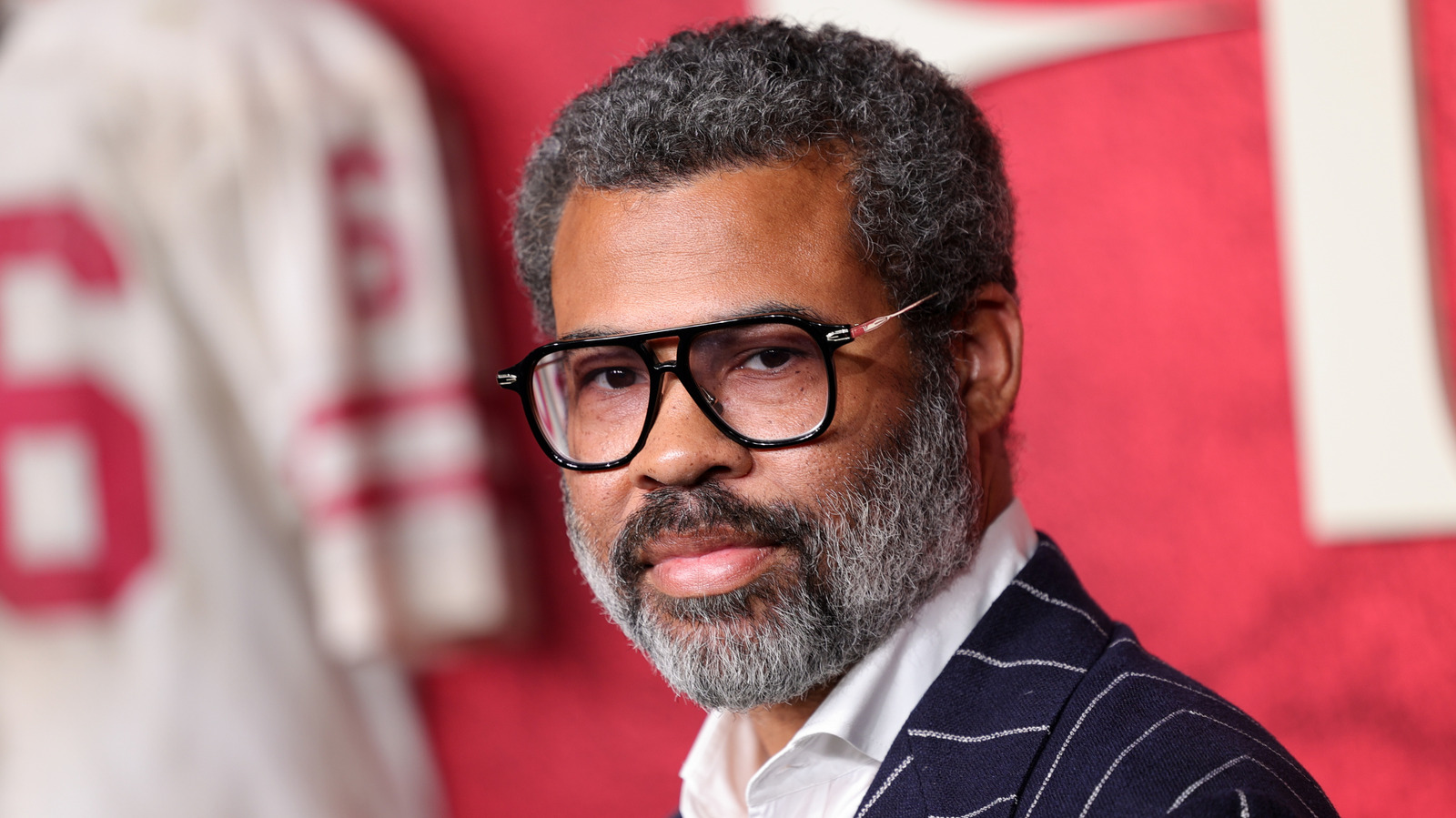
Filmmaker Jordan Peele has frequently captured public attention by observing that society itself remains the scariest monster of all, a chilling premise that underpins his critically acclaimed horror catalog including Get Out, Us, and Nope. Throughout his transition from sketch comedy icon to modern horror auteur, Peele has consistently used genre filmmaking to hold a mirror up to systemic bias, institutional neglect, and human nature.
The core concept reflects a broader artistic philosophy that psychological dread and social friction outlast supernatural tropes in cultural resonance. According to cultural analyses of modern horror, Peele’s approach revitalizes the genre by shifting the terror away from haunted houses or masked slashers and onto the everyday interactions that sustain inequality and prejudice.
The Philosophy Behind Modern Horror
When Peele debuted as a feature director with Get Out in 2017, the film grossed over $255 million worldwide against a modest $4.5 million budget, according to Box Office Mojo data. The movie introduced audiences to the concept of the “Sunken Place,” a metaphor for the systemic silencing and marginalization of Black individuals within seemingly polite liberal spaces.
Subsequent projects expanded this sociological lens. Us (2019) explored class division and national complicity through the terrifying doppelgängers known as the Tethered, while Nope (2022) examined humanity’s dangerous obsession with spectacle, exploitation, and the commodification of wild animals. Each narrative reinforces the idea that the true antagonists are human greed, apathy, and societal structures.
Deconstructing Institutional Fear
Film scholars note that Peele’s storytelling relies heavily on audience recognition. By placing relatable characters in surreal or terrifying environments, his films ask viewers to confront uncomfortable truths about their own complicity in social hierarchies.
This perspective aligns with discussions across cinematic circles regarding how horror evolves to reflect contemporary anxieties. While classic 20th-century horror often focused on external threats like atomic radiation or ancient curses, contemporary psychological thrillers pivot toward institutional distrust and interpersonal alienation.
Future Projects and Industry Impact
As the entertainment industry anticipates future releases from Monkeypaw Productions, Peele’s production company, fans and critics continue to dissect the cultural footprints of his directorial work. Universal Pictures previously scheduled an unannounced fourth film directed by Peele for late 2024 before shifting release dates, keeping details under wraps as production progresses.
Industry trackers monitor these developments closely, given the massive commercial and critical success of Peele’s prior cinematic ventures. For more updates on upcoming film releases and industry news, readers can follow official announcements through major trade publications like Variety.
What are your favorite cinematic moments from Jordan Peele’s filmography? Share your thoughts in the comments below, and join the conversation.
Worth a look