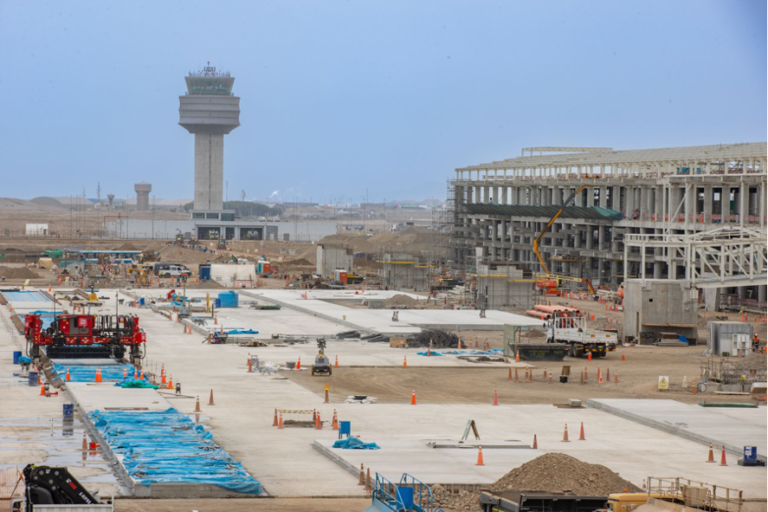
The Jorge Chávez International Airport in Lima, Peru, is undergoing a significant transformation, positioning itself as a central aviation hub for South America. With the expansion of its infrastructure and an increase in international flight connections, the facility is enhancing its capacity to link the Andean region with major markets in North America and Europe. This development is part of a broader national strategy to consolidate Peru’s role in the global aviation network, facilitating both tourism and commerce.
As the airport continues its operational growth, the Peruvian Ministry of Transport and Communications (MTC) has emphasized the importance of these new routes in fostering economic connectivity. The expansion of the Jorge Chávez International Airport is expected to streamline travel, providing more direct access for international passengers and strengthening Lima’s status as a primary transit point in the South Pacific region.
Strategic Expansion of Global Connectivity
The modernization of the Jorge Chávez International Airport is not merely a logistical upgrade but a strategic move to increase the competitiveness of Peru’s aviation sector. According to official statements from the Peruvian Ministry of Transport and Communications (MTC), the airport project is designed to handle a higher volume of international traffic, aiming to improve service standards and operational efficiency. By diversifying the number of available destinations, the facility intends to offer travelers more flexibility while reducing the reliance on indirect flight paths.
The expansion efforts include the development of a new passenger terminal and the implementation of advanced airport management technologies. These infrastructure enhancements are essential for accommodating the projected increase in passenger flow, which is a core component of the Lima Airport Partners (LAP) long-term development plan for the site. The goal is to elevate the airport’s profile as a premier transit hub capable of competing with other major terminals across Latin America.
New Destinations and Economic Impact
The introduction of new flight routes to Europe and North America represents a pivotal stage in the airport’s growth. These routes are aimed at connecting Lima with key global cities, thereby encouraging foreign investment and supporting the local tourism industry. The MTC has highlighted that these international connections are vital for the country’s economic integration, as they allow for more efficient movement of both people and goods.
For travelers, the expansion means shorter transit times and more competitive pricing for long-haul flights. As the airport adds capacity, airlines are increasingly looking at Lima as a viable base for regional operations. This shift is expected to have a ripple effect on the local economy, creating jobs and supporting service-related industries within the metropolitan area of Lima. The Commission for the Promotion of Peru for Export and Tourism (PROMPERU) frequently emphasizes that improved air connectivity is a fundamental driver for increasing inbound tourism, which remains a cornerstone of the national development strategy.
What Lies Ahead for Lima’s Aviation Hub
The ongoing development at Jorge Chávez International Airport is slated to continue through the coming years, with further phases of construction and operational integration planned. The focus remains on maintaining high safety standards while scaling up to meet international aviation regulations. Stakeholders are closely monitoring the progress of these expansions, as the airport is widely viewed as a critical piece of national infrastructure that will define Peru’s connectivity for the next decade.
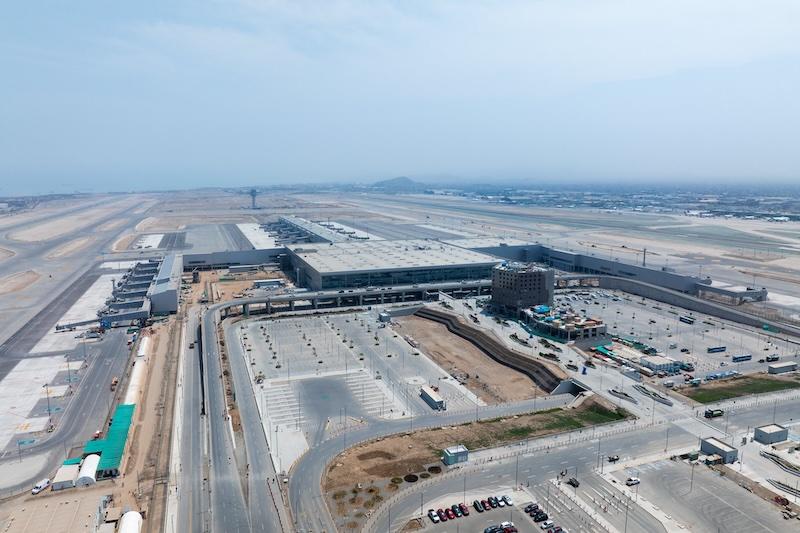
Travelers and aviation stakeholders are encouraged to stay informed through official channels for real-time updates regarding new airline partnerships and flight schedules. The Ministry of Transport and Communications regularly publishes updates on regulatory progress and aviation policy via their official government portal. Future announcements regarding new carriers and specific route launches are expected as the terminal upgrades move toward full operational capacity.
We invite our readers to share their thoughts on these developments in the comments section below. How do you believe increased air connectivity will impact the region’s growth? Join the conversation to discuss the future of South American travel.
Keep reading