
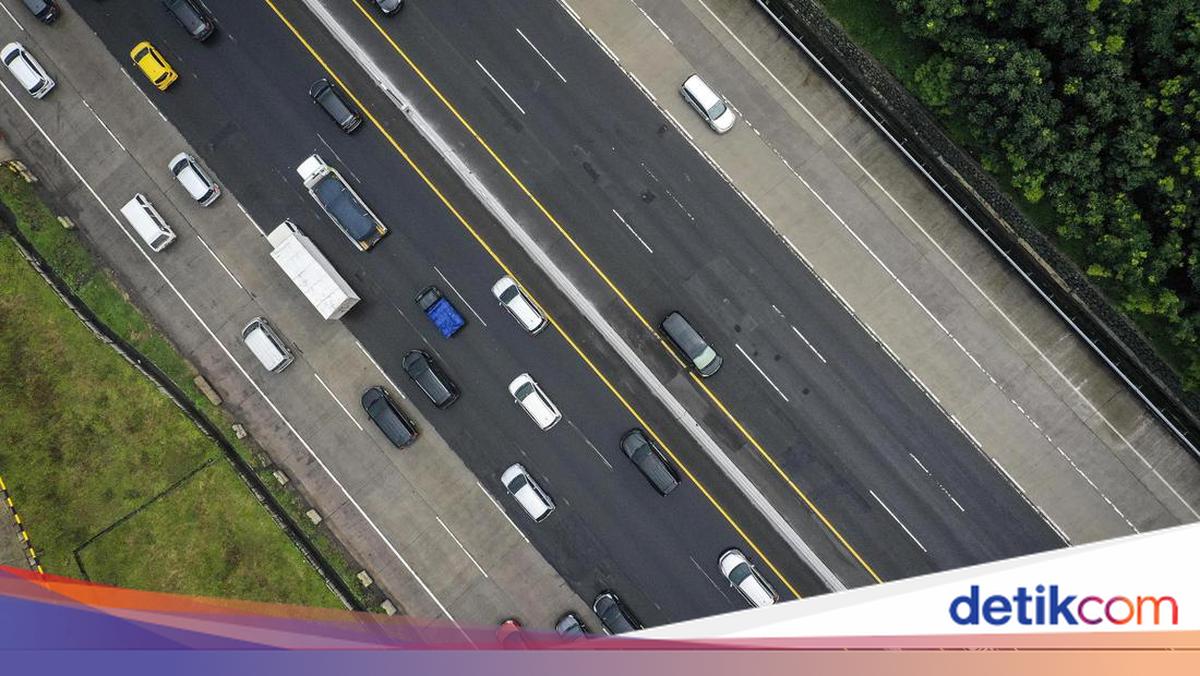
Indonesia is moving forward with a massive infrastructure expansion designed to reshape the logistics and commuter landscape of West Java. The proposed JORR III Sentul-Karawang toll road is set to become a critical artery in the region’s transportation network, promising to bridge the gap between the Bogor Ring Road and the Jakarta-Cikampek (Japek) toll road.
This project represents a strategic effort to decentralize traffic from the heart of the capital and provide a more direct route for goods and people moving between the residential hubs of Bogor and the industrial powerhouses of Karawang. By creating a seamless connection, the government aims to reduce the systemic bottlenecks that have long plagued the existing highway systems in the Greater Jakarta area.
The scale of the investment is significant, with an estimated value of Rp34.7 trillion allocated for the development of the project. This financial commitment underscores the Indonesian government’s priority to accelerate connectivity in West Java, targeting a route that will span approximately 60.36 to 61.5 kilometers. The project is designed to link the Sentul Junction directly to Karawang, effectively creating a new corridor for regional economic integration.
As a financial journalist who has tracked global infrastructure trends for nearly two decades, I view this project not merely as a road-building exercise, but as a calculated economic move. By linking these two specific points, Indonesia is optimizing its “industrial backyard,” ensuring that the manufacturing clusters in Karawang are more efficiently connected to the supporting urban centers of the south.
The Strategic Blueprint of JORR III
The JORR III (Jakarta Outer Ring Road III) is part of a broader vision to create a third layer of orbital roads around the metropolitan area. While JORR I and II handle inner and mid-range traffic, JORR III is intended to divert long-distance and heavy logistics traffic away from the city center entirely.
The specific segment from Sentul Selatan to Karawang Barat is designed to act as a shortcut. Currently, traffic moving from the Bogor area toward the industrial zones of Karawang often has to navigate congested city arteries or rely on the heavily burdened Jakarta-Cikampek toll road. The new route will allow vehicles to bypass these chokepoints, significantly reducing travel time and fuel consumption for logistics operators.
The connectivity is twofold: it will integrate with the Badan Pengatur Jalan Tol (BPJT) regulated Bogor Ring Road and merge into the Jakarta-Cikampek network. This creates a high-capacity loop that supports the movement of raw materials and finished goods from factories in Karawang to distribution centers and residential markets in the south.
Investment Scale and Financing Structure
The investment of Rp34.7 trillion is one of the more substantial infrastructure plays in the current regional pipeline. This funding is intended to cover the complex engineering required for a 60-kilometer stretch that must traverse diverse terrain and navigate existing land-use patterns in West Java.

The procurement process is being handled through a competitive bidding system. The BPJT has recently managed the registration process for the tender, signaling that the project is moving from the planning phase into the execution phase. The use of a tender process ensures that the government can secure a partner capable of managing both the construction risks and the long-term operational demands of a high-traffic highway.
From an economic policy perspective, the funding of such projects often involves a mix of state-backed guarantees and private investment. The goal is to ensure that the project remains fiscally sustainable while providing a public utility that stimulates private sector growth. The high investment value reflects not only the cost of asphalt and concrete but the complex land acquisition processes that are often the most challenging aspect of Indonesian infrastructure projects.
Impact on Regional Logistics and Economic Growth
Karawang is widely recognized as one of Southeast Asia’s most significant industrial hubs, hosting hundreds of international manufacturing plants, particularly in the automotive and electronics sectors. However, the efficiency of these plants is often limited by the “last mile” or “middle mile” logistics—the ability to move products to ports or other cities without getting stuck in gridlock.
The JORR III Sentul-Karawang toll road addresses this specific pain point. By providing a direct link to the south, the project will likely:
- Lower Operational Costs: Reduced transit times lead to lower fuel costs and higher vehicle utilization rates for trucking companies.
- Attract Further Investment: Improved accessibility often leads to an increase in land value and attracts new investors to set up warehouses or satellite offices along the route.
- Balance Urban Growth: By making the Sentul and Karawang areas more accessible, the government can encourage residential and commercial development outside the saturated center of Jakarta.
the integration with the Bogor Ring Road allows the tourism and residential sectors of Bogor to benefit from easier access to the northern industrial corridors, fostering a more integrated regional economy where labor and services can move more freely.
Addressing the Traffic Crisis in West Java
The Jakarta-Cikampek toll road is one of the most congested highways in the world. As the primary link between the capital and the industrial east, it frequently operates beyond its designed capacity. The JORR III project is a direct response to this crisis.
By diverting a significant percentage of traffic—particularly heavy-duty trucks—away from the main Japek line and onto the Sentul-Karawang route, the government expects a measurable decrease in congestion. This “diversion strategy” is a standard urban planning tool used in global megacities to prevent total systemic failure of primary transit arteries.
For the average commuter, this means fewer delays and a more predictable travel time. For the economy, it means a reduction in the “congestion tax”—the hidden cost of lost productivity and wasted fuel that plagues the Greater Jakarta area daily.
Timeline and Current Status
The project has reached a critical milestone with the closure of the registration for the auction/tender process by the BPJT. This indicates that the government has identified a pool of qualified bidders and is now moving toward the selection of the implementing partner.
While a definitive completion date for the entire 60-kilometer stretch has not been finalized in public filings, the closure of the tender registration is typically the precursor to the signing of the concession agreement. Once the winner is announced and the agreement is signed, the project will move into the land acquisition and construction phases.
The timeline for such a large-scale project is usually divided into segments. It is likely that construction will be phased to ensure that the most critical junctions—such as the Sentul Junction—are prioritized to provide early relief to the network.
Key Project Overview
| Feature | Detail |
|---|---|
| Project Name | JORR III Sentul-Karawang Toll Road |
| Estimated Investment | Rp34.7 Trillion |
| Estimated Length | 60.36 km – 61.5 km |
| Primary Connections | Sentul Junction, Bogor Ring Road, Jakarta-Cikampek (Japek) |
| Regulating Body | Badan Pengatur Jalan Tol (BPJT) |
For those tracking the progress of this development, the next critical checkpoint will be the official announcement of the winning bidder from the BPJT tender. This announcement will provide more clarity on the projected construction schedule and the specific financing model that will be employed to realize the Rp34.7 trillion investment.
As we continue to monitor the infrastructure landscape in Southeast Asia, the JORR III project stands as a testament to Indonesia’s ambition to modernize its logistics backbone. If executed efficiently, it will do more than just move cars; it will move the economy forward.
Do you believe these infrastructure projects are the key to solving Jakarta’s congestion, or should the focus shift more toward mass transit? Share your thoughts in the comments below.