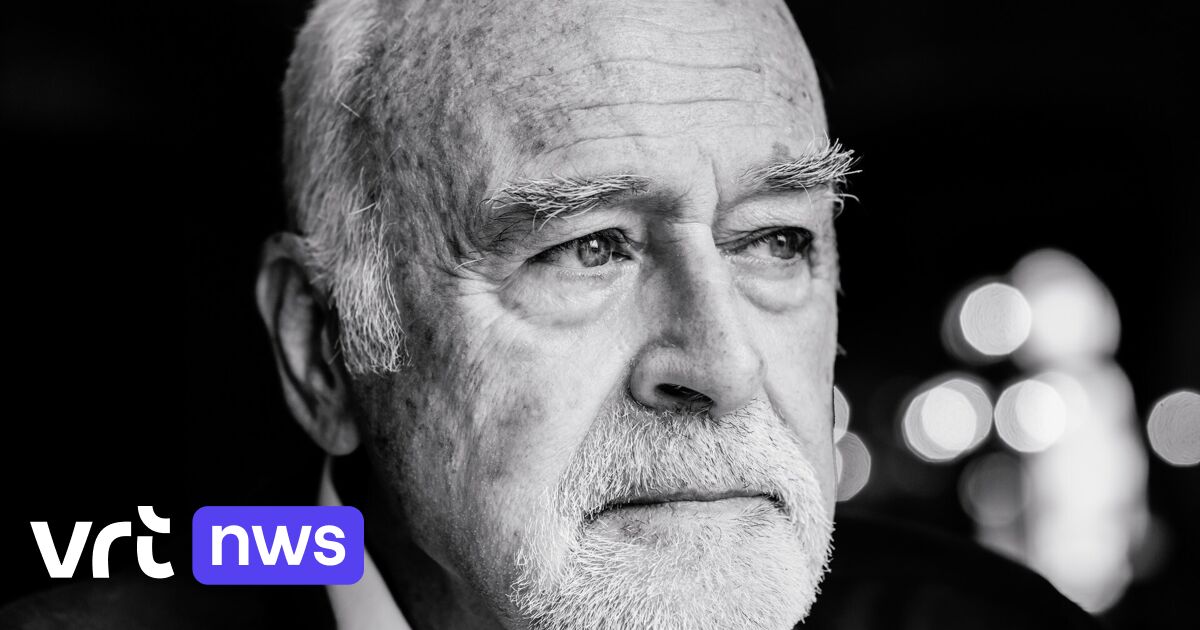
The world of opera is mourning the loss of José van Dam, the celebrated Belgian bass-baritone whose powerful voice and dramatic interpretations captivated audiences for over six decades. Van Dam passed away peacefully on February 17, 2026, at the age of 85, surrounded by loved ones. His death marks a profound loss for Belgium, which considered him its greatest ambassador for lyrical art, and for the global operatic community, which has lost a true legend. The Chapelle Musicale Reine Elisabeth, where Van Dam served as Emeritus Master in Residence, announced the news with deep sorrow, recognizing him not only as a vocal giant but also as a mentor and a source of unwavering artistic integrity.
Born Joseph Van Damme on August 25, 1940, in Ixelles, Belgium, Van Dam’s journey to operatic stardom began with humble roots. His father was a carpenter, and his mother ran a hair salon. Early musical experiences included singing in an amateur choir and learning the piano, but a pivotal moment came when he met Frédéric Anspach, who became his teacher and advised him to remain silent for two years during his voice change. This early discipline laid the foundation for a career defined by technical mastery and a profound understanding of the vocal instrument. He later studied at the Royal Conservatory of Brussels, earning a First Prize, a testament to his dedication and talent.
A Career Spanning Continents and Iconic Roles
Van Dam’s professional career took flight in 1961 when he joined the chorus of the Opéra de Paris, making his debut in Berlioz’s “Les Troyens.” He quickly ascended through the ranks, performing at prestigious venues across Europe and eventually conquering the stages of North America. His performances at the Scala in Milan, Covent Garden in London, and the Vienna State Opera cemented his reputation as one of the leading bass-baritones of his generation. He also became a regular performer at the Metropolitan Opera in New York and the Bayreuth Festival, demonstrating his versatility and command of a wide range of operatic repertoire. The Chapelle Musicale Reine Elisabeth highlighted his ability to bring authenticity to every role he undertook, emphasizing that he never sang for applause but for the truth of the character.
Throughout his extensive career, José van Dam recorded dozens of albums and became particularly renowned for his interpretations of several iconic roles. Leporello in Mozart’s “Don Giovanni” became a signature role, one he returned to repeatedly throughout his career. He also achieved significant acclaim for his portrayal of Saint Francis of Assisi in Olivier Messiaen’s opera of the same name, premiering the role in 1983. His versatility extended beyond traditional opera; in 1997, he took on the role of Don Quichotte in “Man of La Mancha” at Liège, paying homage to Jacques Brel and showcasing his dramatic range. La Libre Belgique noted his dedication to portraying the truth of each character, rather than seeking mere acclaim.
A Legacy of Teaching and Mentorship
Beyond his remarkable performing career, José van Dam dedicated a significant portion of his life to nurturing the next generation of singers. In 2004, he became Master in Residence of the vocal section at the Chapelle Musicale Reine Elisabeth, a position he held until 2023 when he transitioned to the role of Emeritus Master. His approach to teaching was not merely technical; he emphasized that technique was a tool to serve the text, both musically and dramatically. He instilled in his students a deep respect for the integrity of the art form and a commitment to truthful interpretation. VRT News reported that for generations of young talents, he was a guide who taught them that technique was merely an instrument at the service of the text.
His pedagogical contributions were widely recognized, including receiving the title of Maestro Honoris Causa from the Royal Conservatory of Antwerp in 2004. He served on the jury of the Queen Elisabeth Competition of Belgium, further demonstrating his commitment to identifying and supporting emerging vocal talent. The Chapelle Musicale Reine Elisabeth expressed that losing Van Dam meant losing a mentor, a father figure, and an inexhaustible source of artistic integrity. His influence will undoubtedly continue to shape the careers of countless singers for years to come.
A Friend to Karajan and a Master of His Craft
Throughout his career, Van Dam cultivated relationships with some of the most influential figures in the world of classical music. He developed a close friendship with the renowned conductor Herbert von Karajan although performing at the Berlin Opera, a relationship that further elevated his profile and provided opportunities for collaboration on major projects. This connection underscored his standing within the elite circles of the operatic world and highlighted his ability to operate with the very best in the field.
José van Dam’s passing leaves a void in the operatic landscape. He was a performer who consistently delivered nuanced and emotionally resonant interpretations, a dedicated teacher who inspired generations of singers, and a true ambassador for the art form. His legacy will live on through his recordings, his performances, and the countless artists he mentored. The Chapelle Musicale Reine Elisabeth will undoubtedly continue to honor his memory and uphold the standards of artistic excellence he championed.
As of February 19, 2026, details regarding a public memorial service for José van Dam are pending and will be announced by the Chapelle Musicale Reine Elisabeth. Further information can be found on their official website. We encourage readers to share their memories and condolences in the comments below.
Keep reading