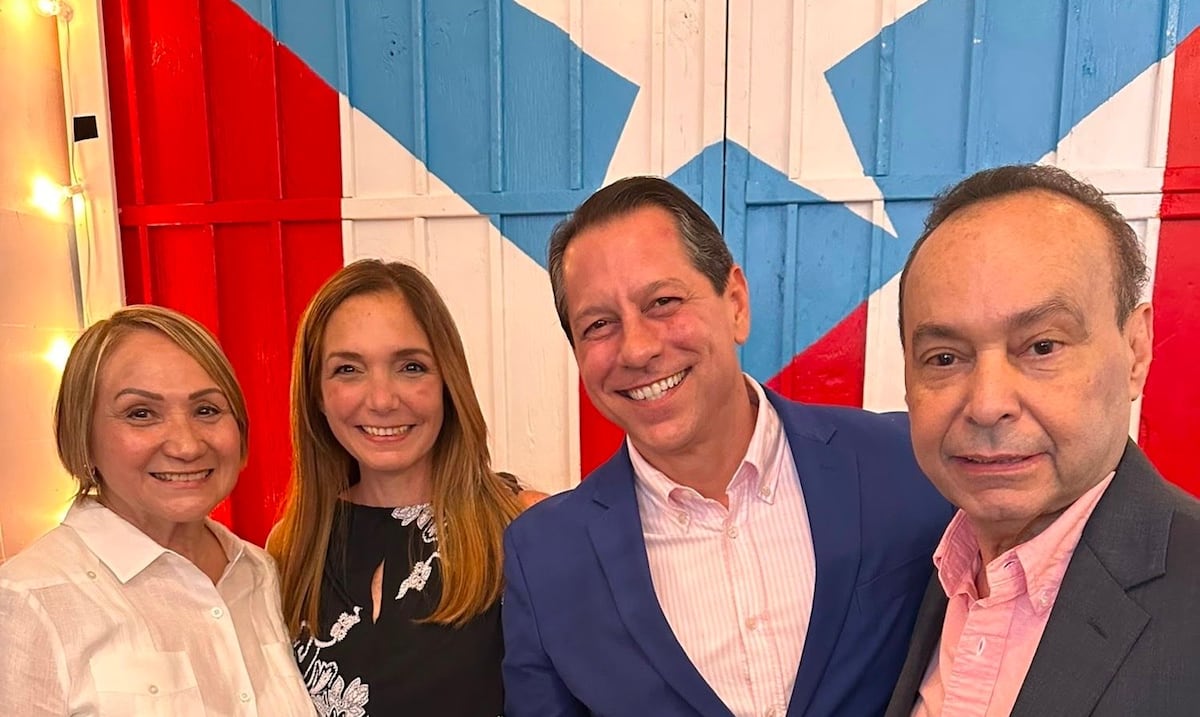
Puerto Rican political figure Juan Dalmau, the gubernatorial candidate for the Alianza de País, recently concluded a series of strategic meetings in Chicago, Illinois, emphasizing the growing political influence of the Puerto Rican diaspora in the United States. During his visit, Dalmau underscored that the diaspora plays a fundamental role in the future of the island, framing the community not merely as a group of expatriates, but as a core component of the political and economic landscape of Puerto Rico.
The visit to Chicago, a city with one of the most significant Puerto Rican populations in the Midwest, serves as part of a broader effort to mobilize voters and supporters living outside the island. According to the U.S. Census Bureau, shifting demographic patterns have led to a substantial increase in the number of Puerto Ricans residing in the mainland United States, a trend that directly influences the political discourse surrounding the island’s status and its current socio-economic challenges.
The Political Weight of the Puerto Rican Diaspora
Dalmau’s meetings in Chicago focused on bridging the gap between the concerns of residents in Puerto Rico and those who have migrated to the mainland. By engaging with community leaders and local representatives, the Alianza de País—a coalition between the Puerto Rican Independence Party (PIP) and the Citizens’ Victory Movement (MVC)—aims to integrate the diaspora into the island’s decision-making process. The candidate highlighted that the economic instability and governance issues currently affecting the island, such as the ongoing Financial Oversight and Management Board oversight, are matters that resonate deeply with those who maintain family and cultural ties to the archipelago.

The strategic focus on the diaspora follows several years of economic migration, which has seen the island’s population decline as residents seek better job opportunities and services in states like Florida, New York, and Illinois. Analysts note that while these individuals cannot vote in Puerto Rico’s local elections, their role in advocacy, fundraising, and influencing federal policy in Washington, D.C., has become increasingly critical for political movements on the island.
Alianza de País Strategy and Future Mobilization
The Alianza de País has characterized its platform as a departure from the traditional two-party system that has dominated Puerto Rican politics for decades. By reaching out to the diaspora, Dalmau is attempting to broaden the coalition’s base and secure external support for his proposed reforms. This approach involves addressing issues ranging from the island’s electrical grid reliability—managed by entities like LUMA Energy—to the broader question of political status, which remains a central point of contention in every election cycle.

Dalmau’s itinerary in Chicago involved discussions regarding how to better facilitate communication and political participation for Puerto Ricans living abroad. The effort is designed to ensure that the diaspora’s perspective is considered in upcoming policy debates, particularly regarding federal funding and the island’s relationship with the U.S. government. As of the current election cycle, political organizers are monitoring how outreach efforts to the mainland may influence the narrative surrounding the 2024 general elections in Puerto Rico.
Context of the 2024 General Election
The upcoming general election in Puerto Rico, scheduled for November 5, 2024, represents a significant test for the Alianza de País. The electoral process, overseen by the Comisión Estatal de Elecciones (CEE), will determine the next Governor, Resident Commissioner, and members of the Legislative Assembly. The inclusion of the diaspora in campaign messaging reflects a recognition that the political fate of the island is no longer confined to its territorial borders.
For voters and observers, the next major checkpoint remains the final certification of candidates and the start of the official campaign period leading up to the November ballot. Supporters of the Alianza have indicated that they expect further engagement sessions in other major U.S. cities with high concentrations of Puerto Rican residents. As the campaign progresses, the effectiveness of this outreach will be measured by the levels of engagement and the visibility of the coalition’s platform within the mainland Puerto Rican community.
For more information on the upcoming election and candidate filings, residents and interested parties can monitor updates provided by the official Comisión Estatal de Elecciones website. Readers are encouraged to share their thoughts and follow the ongoing developments of the Puerto Rican electoral season as further campaign events are announced.