Venezuelan Opposition Politician Sees Criminal Case Dropped Amidst Amnesty Debate
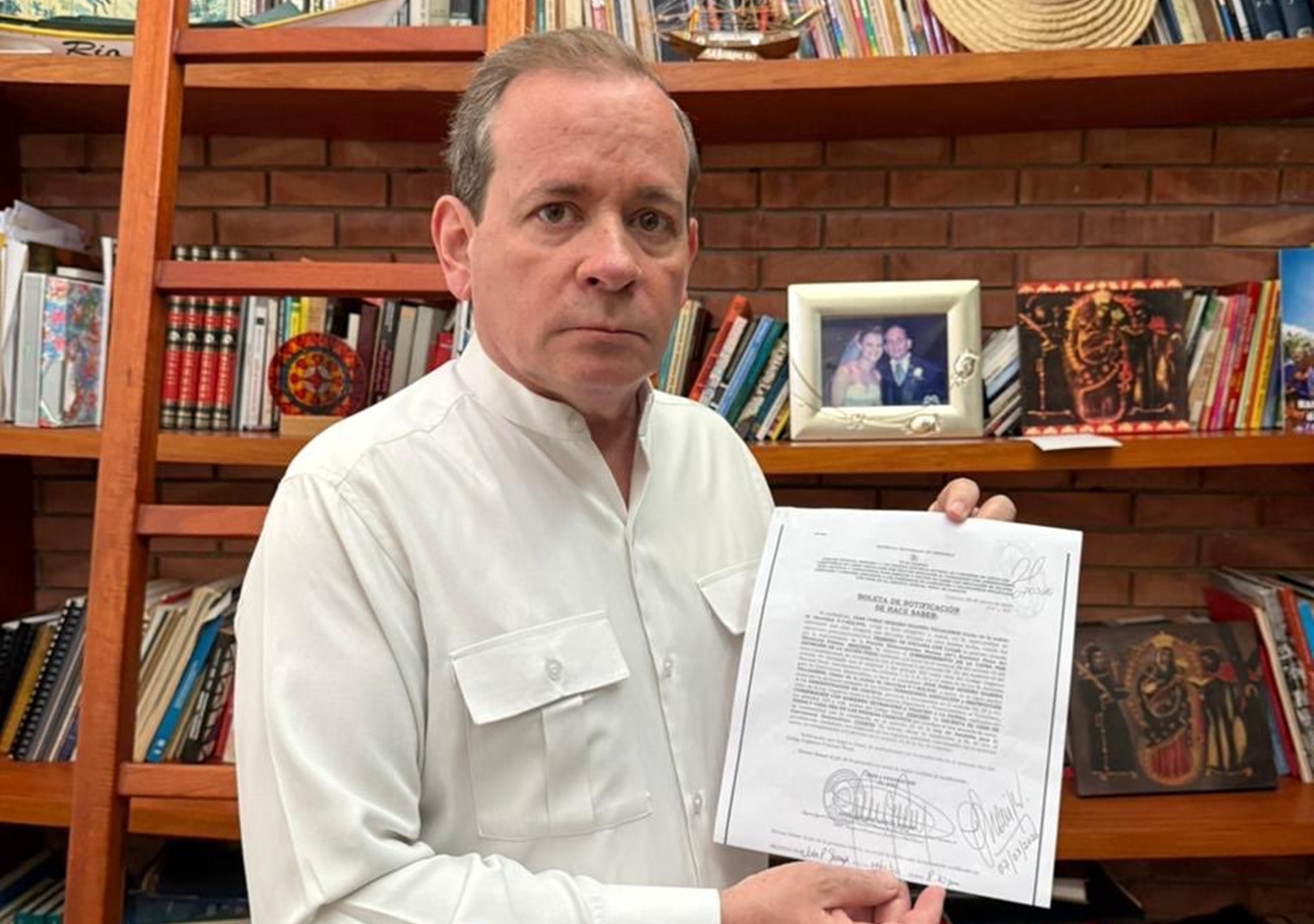
Caracas, Venezuela – A Venezuelan court has ordered the cessation of criminal proceedings against opposition leader Juan Pablo Guanipa, a move occurring amidst ongoing debate surrounding the country’s recently enacted amnesty law. Guanipa had been investigated on charges including terrorism and treason, accusations widely condemned by opposition figures as politically motivated. The decision, based on the “extinction of criminal action,” effectively ends the judicial process against him, though questions remain regarding outstanding administrative restrictions. The case highlights the complex and often contested implementation of the amnesty law, intended to address a large number of politically charged detentions, but also criticized for potentially shielding individuals accused of serious crimes.
The ruling, delivered on Saturday, was communicated to Guanipa via a court official at his residence. According to Guanipa, the court cited the “extinction of criminal action” as the basis for the decision. He was initially accused of five offenses: terrorism, association to commit crimes, obstruction of justice, conspiracy with a foreign government, and treason, as outlined in both Venezuelan anti-terrorism legislation and the penal code. The move comes after a period of uncertainty following a notification in February indicating “full freedom” under the terms of the amnesty law, which was promulgated by Delcy Rodríguez. However, Guanipa reported continued legal obstacles, including restrictions on his ability to travel and access essential identification documents.
Political Prosecution Claimed, Lack of Evidence Cited
Guanipa has consistently maintained that the charges against him were a form of political persecution, asserting that the prosecution failed to present any concrete evidence to support the accusations. He stated that a review of the case file, facilitated by his newly appointed lawyer Joel García, revealed a striking absence of specific details outlining the alleged offenses. “They didn’t even bother to invent facts,” Guanipa said, as reported on his X (formerly Twitter) account. “There is no description of what I did, when, how, where, or with whom. Without facts, there is no crime. Without a crime, there is no legitimate process.”
The amnesty law, approved in Venezuela in March 2026, was intended to address the cases of hundreds of political prisoners, according to reports from the South China Morning Post. However, Guanipa has voiced concerns that the law is being applied inconsistently and may benefit individuals who have not committed any crimes. He described the situation as “deeply outrageous,” stating that he and countless others have been subjected to “ominous oppression” simply for holding dissenting views and advocating for democracy.
Administrative Restrictions Remain Despite Court Ruling
Despite the court’s decision to drop the criminal charges, Guanipa continues to face administrative hurdles. He revealed that he remains blocked from renewing his identification documents, having been unable to do so for approximately ten years. He currently possesses a passport that expired seven years ago, hindering his ability to travel freely. He publicly appealed to the authorities to lift these restrictions during a press conference, emphasizing the demand for full restoration of his rights. Guanipa has requested the return of assets that were seized during his detention in May of the previous year.
The case against Guanipa is part of a broader pattern of political tensions in Venezuela. The release of other opposition figures following the passage of the amnesty law, as reported by the BBC, signals a potential shift in the political landscape, though the long-term implications remain uncertain. The Venezuelan government has not yet officially commented on Guanipa’s specific case, but has generally defended the amnesty law as a step towards national reconciliation.
Ongoing Concerns About the Scope of the Amnesty Law
The implementation of the amnesty law has been met with scrutiny from both domestic and international observers. Critics argue that the law’s broad scope could potentially shield individuals accused of serious human rights violations, undermining efforts to achieve justice and accountability. Concerns have also been raised about the lack of transparency in the selection process for those eligible for amnesty. While the law aims to address the plight of political prisoners, its effectiveness in fostering genuine reconciliation and strengthening democratic institutions remains to be seen.
Guanipa’s situation underscores the challenges facing Venezuela as it navigates a period of political transition. While the dropping of criminal charges represents a positive development, the continued administrative restrictions highlight the need for comprehensive reforms to ensure respect for human rights and the rule of law. The next step in Guanipa’s case will likely involve continued efforts to resolve the administrative issues preventing him from obtaining updated identification and travel documents. He has indicated his intention to pursue these matters through legal channels and public advocacy.
The situation remains fluid, and further developments are expected as the Venezuelan government continues to implement the amnesty law and address the complex political challenges facing the nation. Readers are encouraged to share their thoughts and perspectives on this evolving story in the comments section below.
Worth a look