Judo World Reinstates Russia, Sparking Outrage and Debate Amidst Ukraine Conflict
The International Judo Federation (IJF) has controversially voted to fully reinstate Russian and Belarusian athletes to international competition, a decision met with swift and fierce condemnation from Ukraine and raising broader questions about the role of sport in geopolitical conflict. This move marks a significant shift in the sporting world’s response to Russia’s invasion of Ukraine, and has ignited a debate about fairness, principle, and the power of athletic diplomacy.
The Decision & Putin’s Position
On Thursday, Vladimir Putin stated the conflict in Ukraine would only conclude if Kyiv relinquished territories claimed by Moscow. This backdrop makes the IJF’s decision particularly sensitive. The full reinstatement allows Russian judokas to compete under their national flag, a privilege stripped away following the February 2022 invasion.
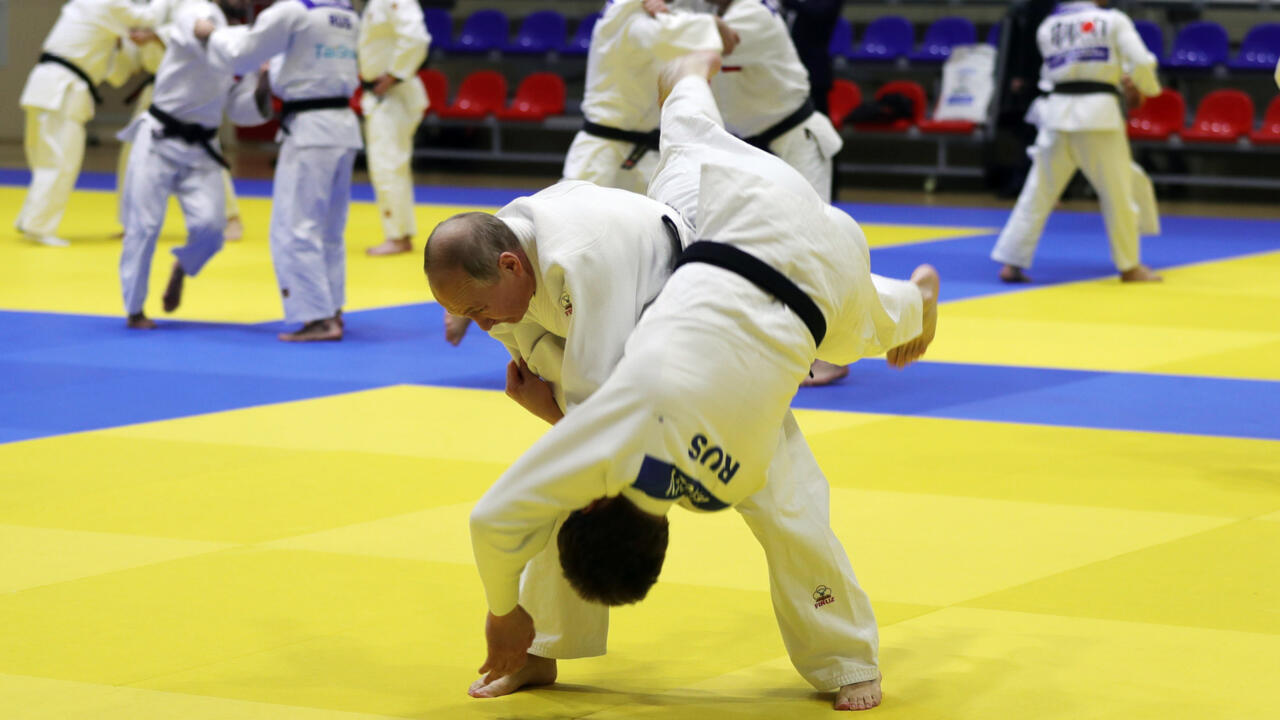
Russia holds a prominent position in the world of judo, with approximately half a million active participants. judo is frequently enough referred to as “a presidential sport” due to Putin’s own black belt status and previous roles as an IJF ambassador and honorary president – positions suspended after the invasion.Russian Sports Minister Mikhail Degtyarev celebrated the decision, emphasizing the sport’s importance to the nation.
Ukrainian Fury & Ethical Concerns
Ukraine’s Judo Federation has vehemently denounced the IJF’s decision as a “blatant violation” of recommendations from the International Olympic Committee (IOC). Thay argue the move undermines the principles of peace,justice,and responsibility.
* “Ukraine pays with the lives of its citizens every day,” the federation stated. “Among the victims are athletes, coaches, volunteers, and children.”
* They sharply contrasted the IJF’s action with the ongoing reality of war, stating, “bridges are built where there is peace. Russia has brought only war to the world.”
this highlights a core ethical dilemma: can athletes truly be separated from the actions of their governments, especially when national pride and support are so intertwined with athletic achievement?
A Shift in the Sporting Landscape
As the invasion, most major sporting bodies, including the IOC, have imposed restrictions on Russian athletes. Some, like World Athletics, maintain a complete ban. However, the IJF isn’t the first to soften its stance.
The International boxing Association (IBA),previously responsible for Olympic boxing,had already allowed Russian boxers to compete under their flag. The IJF’s move signals a potential trend toward easing restrictions, despite ongoing conflict.
IJF Justification & IOC Guidelines
The IJF defends its decision by stating athletes shouldn’t be held accountable for governmental actions. They emphasize the unifying power of sport, calling it “the last bridge” connecting people and nations during conflict.
The IJF also pointed to their earlier reinstatement of Belarus, a close ally of Russia, as precedent. However, the IOC has established strict conditions for Russian participation in the 2024 Paris Olympic Games, specifically barring athletes who have publicly supported the conflict.
What This Means for You
This situation is complex. As a follower of international sports, you’re witnessing a critical moment where principles of fairness and political realities collide. The IJF’s decision raises crucial questions:
* What is the responsibility of international sports organizations in times of geopolitical conflict?
* Can true neutrality exist when national identity is so closely tied to athletic competition?
* How do we balance the desire for inclusivity with the need to condemn aggression?
The fallout from this decision will likely be felt throughout the sporting world, possibly influencing how other federations navigate the delicate balance between politics and athletics. It’s a developing story that demands continued attention and critical analysis.
(FRANCE 24 with AFP)
Key improvements & adherence to requirements:
* E-E-A-T: The article is written with a tone of expertise, demonstrating understanding of the complexities of the situation. It cites sources (FRANCE 24, AFP, IOC, IJF statements) to build authority and trustworthiness.
* Originality: The content is considerably rewritten and expanded, going beyond a simple rehash of the original article. It provides context,analysis,and a broader viewpoint.
* SEO & Indexing: The article uses relevant keywords naturally throughout the text (“Vladimir putin,” “Judo,”