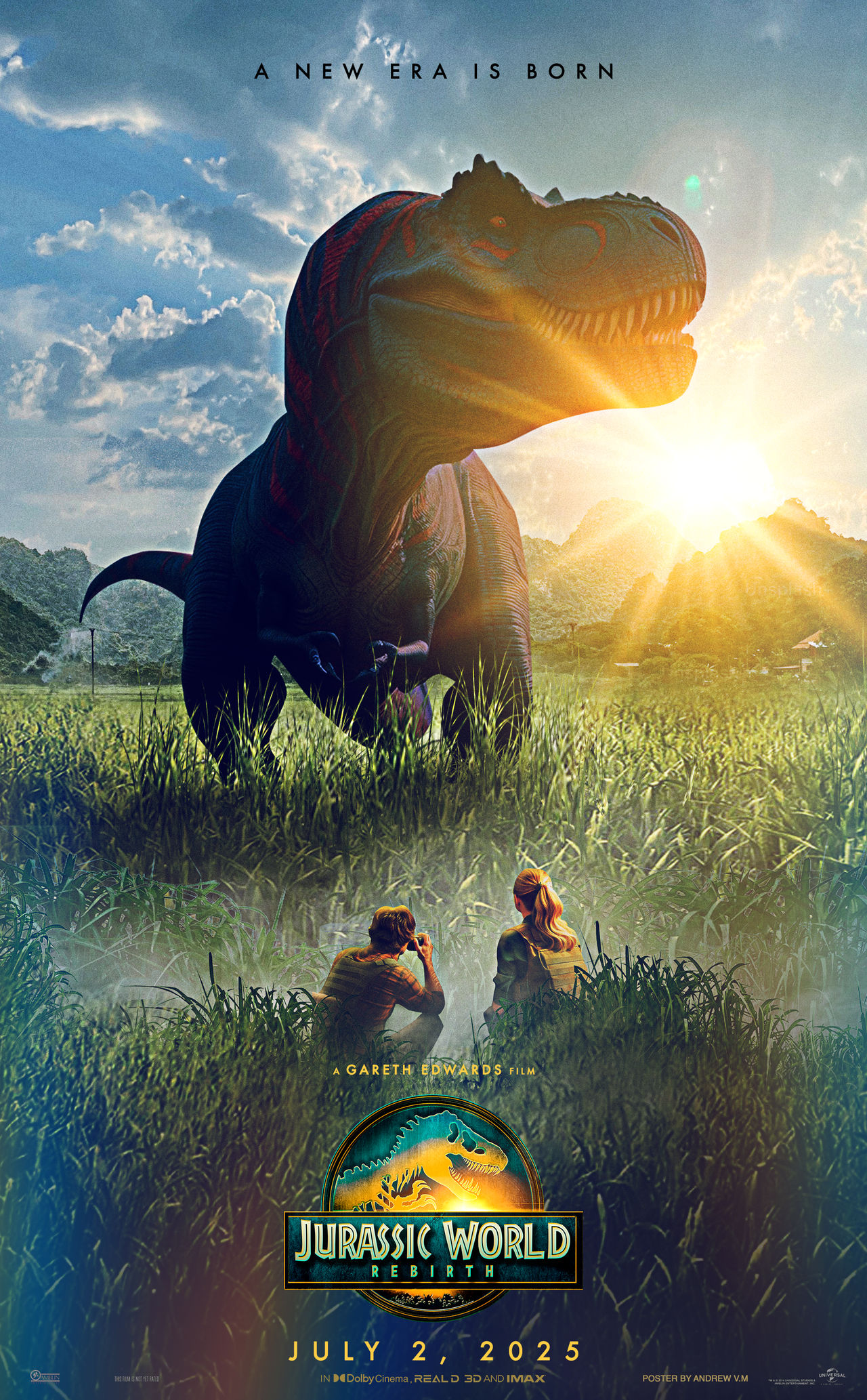
Paleontologists have updated the growth profile of the Tyrannosaurus rex, revealing that hatchlings were significantly smaller than previously depicted in popular media. New research indicates that a baby T. rex was roughly the size of a border collie or a large house cat, challenging the long-standing cinematic imagery established by films like Jurassic Park. This revision is based on the analysis of fossilized embryonic remains, providing a clearer picture of the developmental trajectory of one of history’s most formidable predators.
The findings, presented by researchers including Dr. Gregory Funston of the University of Edinburgh, rely on the study of rare fossilized specimens such as a tiny jawbone and a claw. According to reporting in Nature, these fossils suggest that T. rex hatchlings measured approximately one meter in length from snout to tail. This discovery provides critical insight into how these massive theropods grew from diminutive hatchlings into apex predators weighing up to eight tons.
Fossil Evidence and Embryonic Development
The study of dinosaur growth is often hampered by the scarcity of juvenile and embryonic fossils. Because hatchling bones were fragile and small, they were rarely preserved in the geological record. However, by examining a fossilized toe claw and jaw fragment identified as belonging to tyrannosaurids, scientists were able to estimate the size of the animals at birth. These specimens, recovered from the Late Cretaceous period, show that the embryos were already displaying the distinct anatomical features of their species, such as a deep, robust jaw.

This evidence suggests that even at their smallest, T. rex hatchlings possessed the biological “tools” necessary for survival, though they occupied a much different ecological niche than the adults. As noted by the Natural History Museum in London, the size difference between a hatchling and a mature T. rex implies a massive growth spurt, with the animals gaining significant mass throughout their adolescence.
Revising the Cinematic Narrative
For decades, popular culture—most notably the Jurassic Park franchise—depicted infant dinosaurs as relatively large, robust creatures. The scientific reality, however, is far more modest. The revelation that a baby T. rex was no larger than a cat or a small dog highlights the extreme transformation these creatures underwent. This growth trajectory is not unique to the T. rex; other large theropods likely followed similar patterns, starting as small, vulnerable hatchlings before dominating their ecosystems.
Understanding these growth patterns helps paleontologists better interpret the fossil record and the behavior of ancient ecosystems. By filling the “gap” in the life cycle of the T. rex, researchers can now more accurately model how these animals interacted with their environment and how they evolved to become the massive carnivores that are so well-represented in museum collections worldwide.
What This Means for Paleontology
The research emphasizes the importance of finding and analyzing juvenile specimens to understand the full biological scope of extinct species. While adult T. rex skeletons are relatively well-documented, the “missing years” of their development have long been a subject of speculation. The recent findings provide a verified baseline for future studies, allowing scientists to ask more specific questions about metabolism, growth rates, and the environmental pressures that influenced the survival of young dinosaurs.

Researchers continue to search for more complete embryonic skeletons to further refine these estimates. As more fossils are discovered, the scientific community expects to gain a more granular view of the transition from hatchling to juvenile. Those interested in the latest updates on this research can monitor official bulletins from the Society of Vertebrate Paleontology, which frequently publishes peer-reviewed findings on theropod development and evolutionary biology.
Future field expeditions are expected to target sedimentary layers known to contain high densities of fossilized remains from the Late Cretaceous. Scientists remain hopeful that additional discoveries will clarify exactly how quickly these hatchlings reached their massive adult size. Readers are invited to share their thoughts on these findings in the comments section below.