South Korea’s battery materials sector is showing signs of recovery as its three leading cathode manufacturers pursue distinct strategies to overcome prolonged market weakness. According to recent industry reports, LG Energy Solution supplier L&F is doubling down on lithium iron phosphate (LFP) cathode production, while POSCO Future M is focusing on non-Chinese anode materials to drive a rebound. Meanwhile, EcoPro BM has opted to strengthen its presence through localized production in Europe, reflecting a broader diversification effort among Korea’s top battery material players.
The strategic divergence comes after a challenging period for ternary cathode materials, which saw weakened demand amid slowing electric vehicle growth and persistent overcapacity. However, rising interest in energy storage systems (ESS) and the imminent commercialization of solid-state batteries have created new opportunities for firms willing to adapt. Analysts note that the 2026 outlook for the cathode market will largely depend on how effectively these three companies execute their respective plans.
L&F has built its reputation on high-nickel cathode technology, having become the first company to mass-produce NCMA95 cathode material with 95% nickel content. The firm has also successfully commercialized its products for 46mm cylindrical batteries used in Tesla vehicles. Now, it is shifting focus to LFP cathodes, with plans to begin mass production in the second half of 2026. Its primary customers include LG Energy Solution and SK On, both of which supply major automakers.
EcoPro BM continues to leverage its expertise in high-nickel NCA and NCM811 cathode materials, maintaining strong relationships with Samsung SDI and several European battery manufacturers. Rather than abandoning its core technology, the company is betting on the future of solid-state batteries by investing in solid-state cathode development. This approach positions EcoPro BM as a long-term innovator, even as near-term demand for conventional cathodes remains volatile.
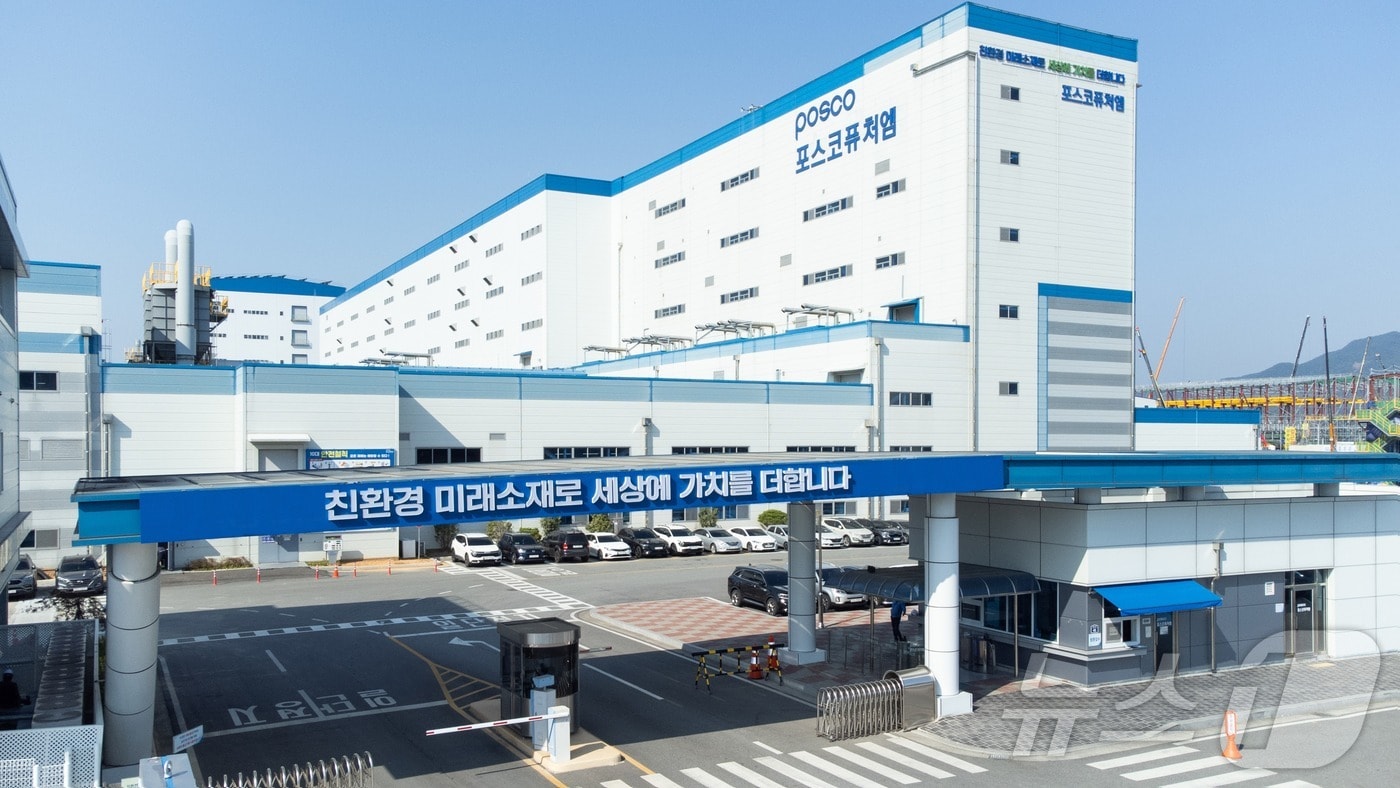
POSCO Future M stands out as the first Korean company to achieve mass production of NCMA-based high-nickel cathodes. The firm is pursuing a dual-track strategy, advancing both LFP and solid-state cathode technologies simultaneously. Its customer base includes General Motors and Samsung SDI, giving it exposure to both Western and Asian EV markets. Industry observers describe POSCO Future M’s approach as a balanced strategy aimed at capturing growth across multiple battery segments.
The differing paths reflect broader trends in the global battery supply chain, where regionalization, technology diversification, and customer-specific solutions are becoming increasingly important. With lithium prices showing signs of recovery and governments offering incentives for domestic battery production, the stage is set for a potential turnaround in the sector—provided these companies can deliver on their strategic commitments.
As of April 2026, no official quarterly earnings reports have been released by L&F, EcoPro BM, or POSCO Future M to confirm the impact of these strategies on financial performance. Market analysts remain cautious but optimistic, citing improving fundamentals in ESS demand and ongoing advancements in next-generation battery technologies as key catalysts to watch in the coming months.
For updates on corporate earnings, technological milestones, or regulatory developments affecting Korea’s battery materials industry, readers are encouraged to consult official company disclosures, filings with the Korea Exchange, and statements from the Ministry of Trade, Industry and Energy.
What do you think about the strategies being pursued by Korea’s top cathode makers? Share your thoughts in the comments below and help spread the conversation by sharing this article with others interested in the future of clean energy technology.
Related reading
- Graveyard Season 3: Netflix Release Date, Cast, Trailer, and What to Expect
- Russia-Ukraine War Escalation: Deadly Airstrikes on Sumy and Kyiv, Patriot Missile Shortages, and New Tactics
- Padres Acquire Robbie Ray From Giants to Bolster Injury-Hit Rotation (time.news)
- Top Football Betting Strategies: Data, Trading and Bankroll Management (newsdirectory3.com)