The Thuringian engineering and research firm K-UTEC AG operates globally in more than 40 countries, managing raw material extraction projects across South America, Europe, and beyond, according to company statements. Led by Chief Executive Heiner Marx in Sondershausen, Germany, the enterprise traces its origins back to mid-century potash and rock salt mining research in East Germany, eventually taking shape under its current structure in 1992.
As critical minerals grow increasingly vital for global green technologies, specialized firms like K-UTEC navigate complex international markets to secure resources such as lithium and magnesium. Marx outlined the company’s scope during preparations for its 75th anniversary milestone, highlighting active engagements from the salt flats of South America to domestic research initiatives in central Germany.
Global Extraction Projects and South American Lithium
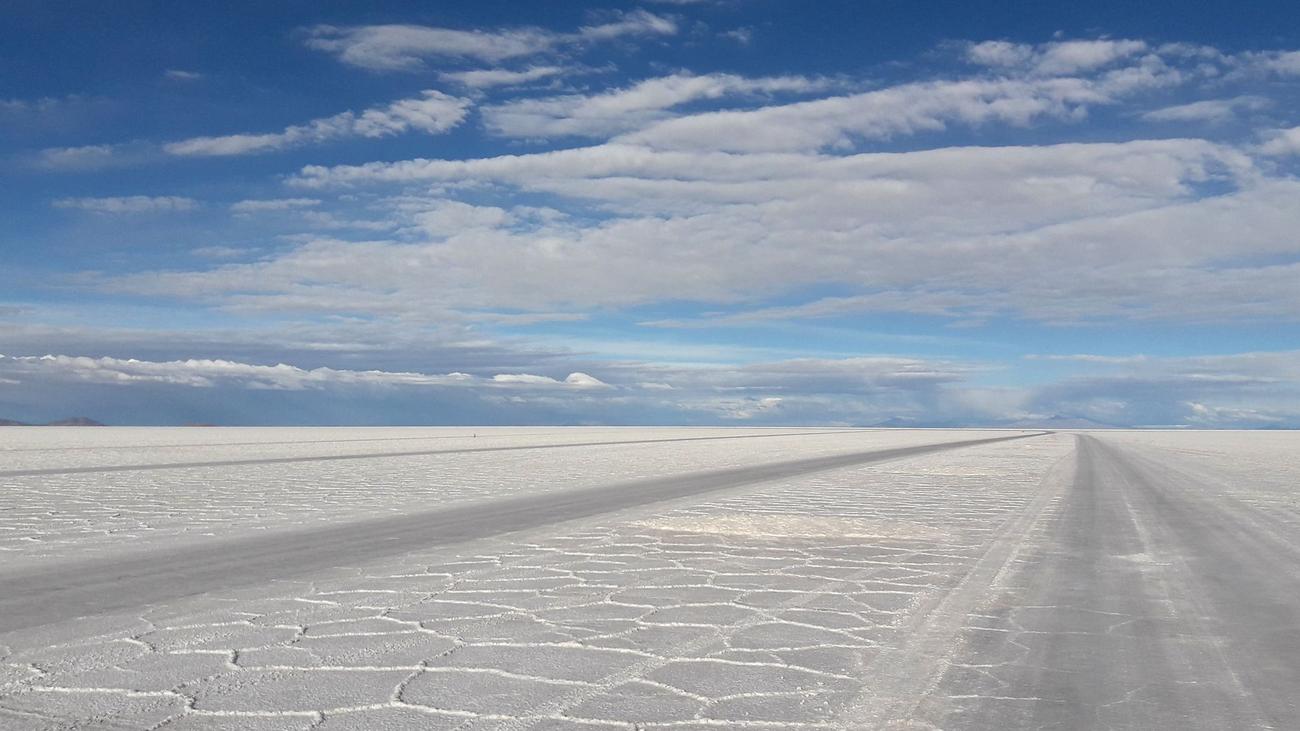
A primary operational focus for K-UTEC involves extracting lithium, predominantly from high-altitude salt flats in South American nations including Bolivia, Chile, and Argentina, alongside European operations in Spain. Lithium remains a fundamental component in the manufacturing of rechargeable batteries and electric vehicles, driving intense international demand for efficient processing technologies.
Beyond South America, the firm provides technical expertise for magnesium projects. Magnesium serves as a critical material for lightweight components utilized across the automotive and aerospace manufacturing sectors. Because of its industrial importance, the element occupies a designated spot on the European Union’s list of critical raw materials, prompting intensified domestic research into secure supply chains.
Domestic Innovation and Historical Roots in Potash Mining
Within Germany, K-UTEC participates in regional development initiatives aimed at unlocking alternative domestic supply streams. In Bleicherode, Thuringia, the company is engaged in a state-funded research and development project focused on magnesium extraction from industrial byproducts, according to Marx. Vast quantities of magnesium chloride remain stored within regional potash deposits left largely unexploited following the large-scale mine closures of the 1990s.
The company’s corporate lineage stretches directly back to the research and development sector for potash and rock salt mining established during the 1950s in the former German Democratic Republic. In 1992, Marx and a team of colleagues acquired sections of the legacy potash research apparatus, successfully transforming it into an independent engineering and consulting corporation that employs roughly 120 specialists.
Environmental Technologies and Emerging European Deposits
In addition to primary extraction, K-UTEC develops specialized filtration and separation processes targeting secondary resource streams. Industry stakeholders note that Germany possesses untapped lithium potential located within the Upper Rhine Graben and regional saline waters tied to former natural gas extraction sites, though these operations remain in early exploratory phases. Solid-rock lithium deposits also exist in locations such as Zinnwald in the Ore Mountains.
Environmental remediation forms another core pillar of the firm’s portfolio. K-UTEC engineers specialized procedures for industrial wastewater treatment, including the desalination of contaminated runoff and leachate originating from historical mining waste piles. Company leadership notes that these technical solutions position the Thuringian engineering specialist at the forefront of modern environmental compliance in the mining sector.
Related reading