Uganda Traffic Crisis: A Systemic Failure Demanding Urgent Action
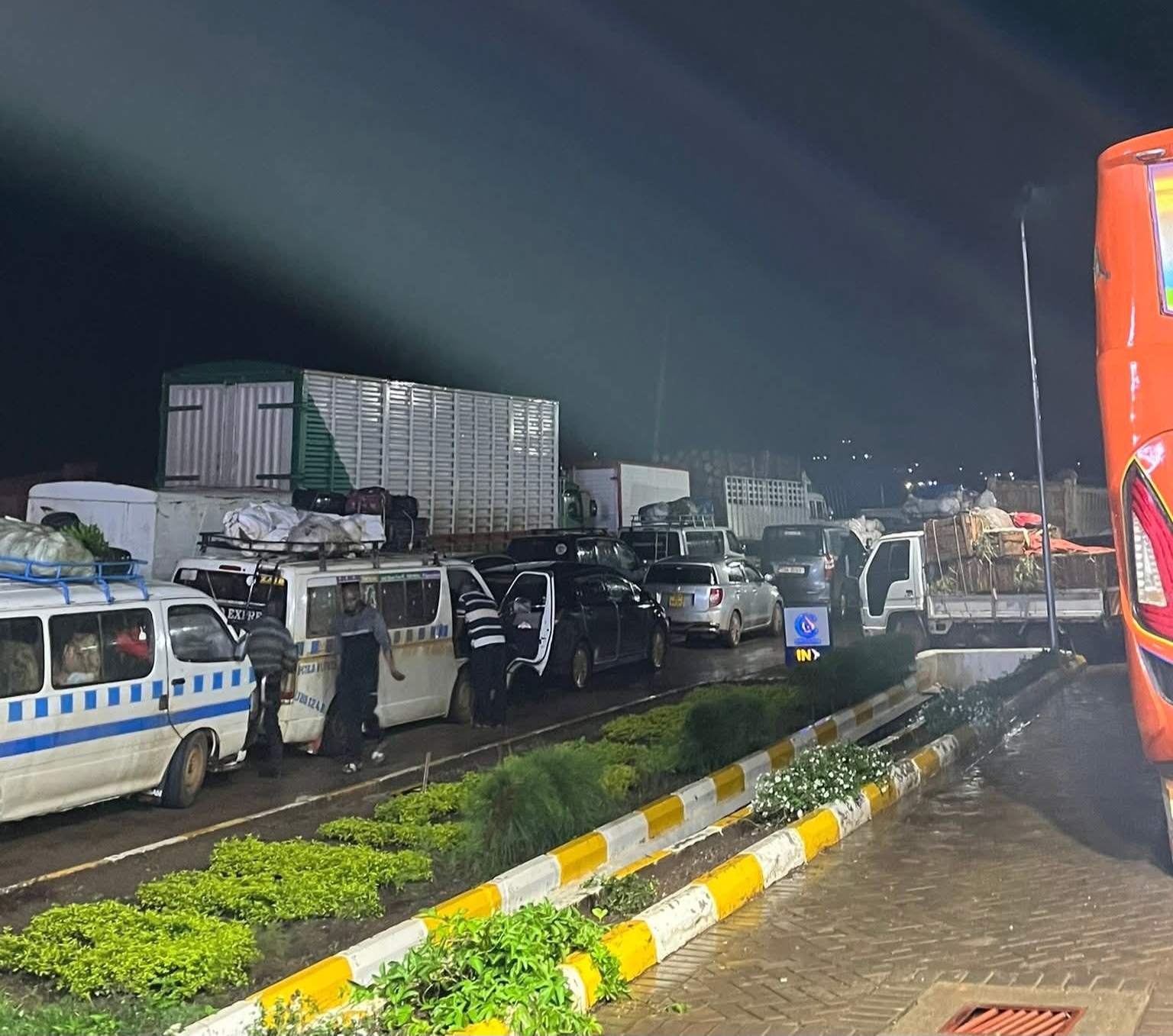
The recent gridlock on the Kampala-Mpigi-Masaka road, peaking on December 29th and 30th, 2025, wasn’t merely an inconvenience; it was a stark warning sign of systemic vulnerabilities in Uganda’s infrastructure, disaster preparedness, and security protocols. As someone who personally endured a harrowing 16-hour standstill, I can attest to the severity of the situation – a situation that could have escalated into a national tragedy. This isn’t simply a matter of traffic management; it’s a critical failure demanding immediate and complete review at the highest levels of government.
A Recipe for Disaster: convergence of Factors
The root causes of this crisis were multifaceted. While the presence of political campaigns – specifically, Agulanyi’s rallies in Kalungu district – undoubtedly contributed to the congestion, attributing the problem solely to this event would be a gross oversimplification. The sheer volume of vehicles, including a notable number of motorcycles (boda bodas), already strained the capacity of the highway.However, the real danger lay in the combination of these factors with inadequate planning and a concerning lack of proactive response.
The highway became a concentrated target, ripe for exploitation. The presence of numerous fuel tankers presented a catastrophic risk - a single incident could have ignited a chain reaction, resulting in unimaginable loss of life. Even a routine vehicle fire would have been exponentially more devastating in such dense traffic. The inability of emergency services to effectively navigate the jam further compounded the threat. This wasn’t just a traffic jam; it was a potential mass casualty event waiting to happen.
Security Lapses and the Failure of Technology
The question looms large: why was this allowed to happen? Uganda has invested heavily in CCTV infrastructure, ostensibly for security and traffic monitoring.Reports suggest the highway cameras were indeed transmitting live footage to the command center. yet, a timely and effective response was conspicuously absent.
Where were the rapid deployment teams? A coordinated effort involving specialized police units (“Abawanvu” and “Bampi”) alongside a contingent of 50 Field Force Unit (FFU) personnel, supported by traffic officers and even the Ugandan Army’s First Division, could have mitigated the situation. The lack of such a response raises serious questions about operational readiness and decision-making within our security apparatus.
This incident highlights a critical need to move beyond simply having technology to effectively utilizing it. Real-time data is useless without a clear protocol for analysis,response,and coordination.
Infrastructure Deficiencies and Economic Impact
The crisis also exposed critical infrastructure gaps. The Kampala-Mpigi Expressway and the Mpigi-Nakawuka-Kasenge road, if completed or even adequately maintained, could have provided viable alternative routes for diverting traffic. The current state of the Kasenge-Nakawuka-Mpigi feeder road, which I personally experienced, is simply unacceptable. Investing in these projects isn’t just about easing congestion; it’s about ensuring the economic viability of the region.
The economic consequences of this gridlock were substantial. Time,as any seasoned businessperson knows,is a critical cost. Sand trucks, cargo trailers, and vehicles transporting perishable goods like matooke and milk suffered significant delays. Truck owners operate on tight margins, and lost time translates directly into lost revenue. This, in turn, impacts government tax revenue – the lifeblood of national progress. the loss of perishable goods,like milk,represents a direct financial blow to Ugandan farmers and traders.
Accountability and the Path Forward
This incident demands a thorough and obvious inquiry. I urge the Cabinet, the Police Professional Standards Unit (PAC), and all top commanders of security agencies to conduct a comprehensive review, identifying the systemic failures that contributed to this crisis and formulating both immediate and long-term solutions.
We need to ask arduous questions:
* What protocols were in place for managing large-scale events and potential traffic disruptions?
* Why were these protocols not activated or effective?
* What improvements are needed in inter-agency coordination?
* How can we better leverage our CCTV infrastructure for proactive traffic management and security?
* What compensation mechanisms are available for those who suffered losses – be it lives, livelihoods, or perishable goods?
This wasn’t an isolated incident. It was a culmination of long-standing issues that have been allowed to fester. We must learn from this experience and implement concrete measures to prevent a recurrence.
Uganda is
Keep reading