
A judge in Douglas County, Kansas, has issued a temporary injunction blocking the enforcement of a state law that would prohibit healthcare providers from administering gender-transition treatments to minors. The ruling provides an immediate reprieve for transgender and gender-diverse youth in the state, ensuring that access to medical care remains available while the legal validity of the legislation is contested in court.
The law in question, known as the Help Not Harm Act, sought to criminalize the provision of puberty blockers, hormone therapy, and surgical interventions for individuals under the age of 18. By halting the law’s implementation, the court has effectively paused a contentious effort to restrict gender-affirming care, a move that has sparked intense debate between state officials and medical advocacy groups.
The decision comes amid a broader national trend of legislative efforts to restrict transgender healthcare for minors, followed by a wave of judicial challenges across the United States. In Kansas, the legal battle centers on whether the state has the authority to override the professional judgment of medical providers and the decisions of parents regarding the healthcare of their children.
For families and medical practitioners in the region, the ruling is a critical victory. For the state government, it represents a temporary setback in a policy goal aimed at what supporters describe as protecting children from irreversible medical procedures. The case now moves toward a more comprehensive trial where the constitutionality of the ban will be scrutinized.
The Legal Challenge to the Help Not Harm Act
The Help Not Harm Act was designed to prohibit licensed healthcare providers from prescribing or administering drugs or performing surgeries used for the purpose of transitioning a minor’s sex characteristics. Under the provisions of the act, providers who violated these restrictions could face significant legal penalties, creating a chilling effect that advocates argued would force doctors to deny essential care even to those who met established medical guidelines.
The lawsuit challenging the law argues that the ban violates the U.S. Constitution, specifically the Due Process and Equal Protection Clauses of the 14th Amendment. Plaintiffs contend that the law unfairly targets a specific group of patients and interferes with the fundamental right of parents to make healthcare decisions for their children. The challenge emphasizes that gender-affirming care is not experimental but is supported by major medical organizations.

Central to the legal argument is the concept of “medical necessity.” Advocates for transgender youth point to the standards of care established by the World Professional Association for Transgender Health (WPATH), which outlines a multidisciplinary approach to treating gender dysphoria. They argue that for many youth, these treatments are life-saving interventions that reduce rates of depression, anxiety, and suicide.
The Douglas County District Court’s decision to block the law indicates that the plaintiffs provided sufficient evidence to suggest they would suffer “irreparable harm” if the law remained in effect during the litigation process. In legal terms, a temporary injunction is granted when a court finds that the likelihood of success on the merits of the case outweighs the potential harm of delaying the law’s enforcement.
State Defense and the Path to Appeal
The state of Kansas, represented by Attorney General Kris Kobach, has vigorously defended the Help Not Harm Act. The Attorney General’s office maintains that the legislation is a necessary safeguard to protect minors from treatments that they argue may have long-term, irreversible effects on fertility and physical development.
Following the judge’s ruling, Kobach indicated that the state intends to appeal the decision. The state’s legal strategy focuses on the premise that the government has a compelling interest in protecting children from medical interventions that they characterize as premature or insufficiently studied for long-term outcomes. This argument mirrors those used by other states that have passed similar bans.
The appeal process will likely move to the Kansas Court of Appeals, where a panel of judges will review whether the lower court abused its discretion in granting the injunction. If the state succeeds in its appeal, the ban could be reinstated, potentially interrupting the care of hundreds of minors across the state.
The tension between the executive branch’s policy goals and the judiciary’s interpretation of constitutional rights has made this case a focal point for political and legal analysts. The outcome will not only determine the availability of care in Kansas but may also influence how other state courts handle similar challenges to healthcare mandates.
Impact on Transgender Youth and Healthcare Providers
The immediate impact of the court’s ruling is the preservation of the patient-provider relationship. For transgender youth, the continuity of care is vital. Abruptly stopping hormone therapy or puberty blockers can lead to significant psychological distress and physical changes that may be difficult to reverse, further exacerbating gender dysphoria.
Healthcare providers in Kansas had expressed deep concern over the Help Not Harm Act, noting that the threat of criminal penalties would effectively end their ability to practice evidence-based medicine. Many physicians argued that the law would force them to choose between their professional ethics and their legal safety.
Beyond the medical implications, the legal battle highlights the precarious nature of healthcare access for marginalized populations. When laws fluctuate based on court rulings, patients are often left in a state of uncertainty, unsure if their prescriptions will be filled or if their doctors will be legally permitted to see them from one month to the next.
Mental health professionals have also weighed in, noting that the societal and legal rejection of gender-affirming care contributes to a hostile environment for transgender youth. They argue that the legal recognition of these treatments as legitimate healthcare is essential for the overall well-being of the community.
The National Landscape of Gender-Affirming Care
Kansas is not alone in this struggle. Over a dozen U.S. States have introduced or passed legislation targeting gender-affirming care for minors. These laws vary in scope, with some banning all medical interventions and others focusing specifically on surgical procedures. However, the overarching theme is a shift toward state-level prohibition of treatments that were previously managed between patients, parents, and doctors.
Courts across the country have reached diverging conclusions. Some judges have upheld these bans, citing the state’s “police power” to regulate health and safety. Others have struck them down, ruling that they are based on animus toward transgender people or that they violate the right to travel and the right to medical privacy.
The conflict is increasingly being viewed through the lens of the “major questions doctrine” and the limits of state authority over private medical decisions. As these cases wind their way through the appellate courts, many legal experts believe the final determination will eventually rest with the U.S. Supreme Court.
The contrast in legal outcomes creates a “healthcare patchwork” across the United States. In some states, gender-affirming care is protected by “shield laws” that prevent providers from being prosecuted for treating out-of-state patients. In others, the mere act of providing such care is treated as a criminal offense, leading to a migration of patients seeking care in more permissive jurisdictions.
Key Legal and Medical Considerations
- Irreparable Harm: The legal standard used to grant the injunction, referring to damage that cannot be undone if the law is enforced before a final ruling.
- Medical Standards: The reliance on WPATH and the American Academy of Pediatrics guidelines to establish that these treatments are evidence-based.
- Parental Rights: The argument that the state cannot legally prevent parents from seeking specific medical treatments for their children.
- Equal Protection: The claim that banning these specific treatments while allowing others (such as hormone therapy for other conditions) constitutes illegal discrimination.
What Happens Next?
The current injunction is temporary, meaning the law is not permanently struck down but is simply “on hold.” The next phase of the legal process will involve discovery, where both the state and the plaintiffs will gather evidence, expert testimony, and medical data to support their claims.
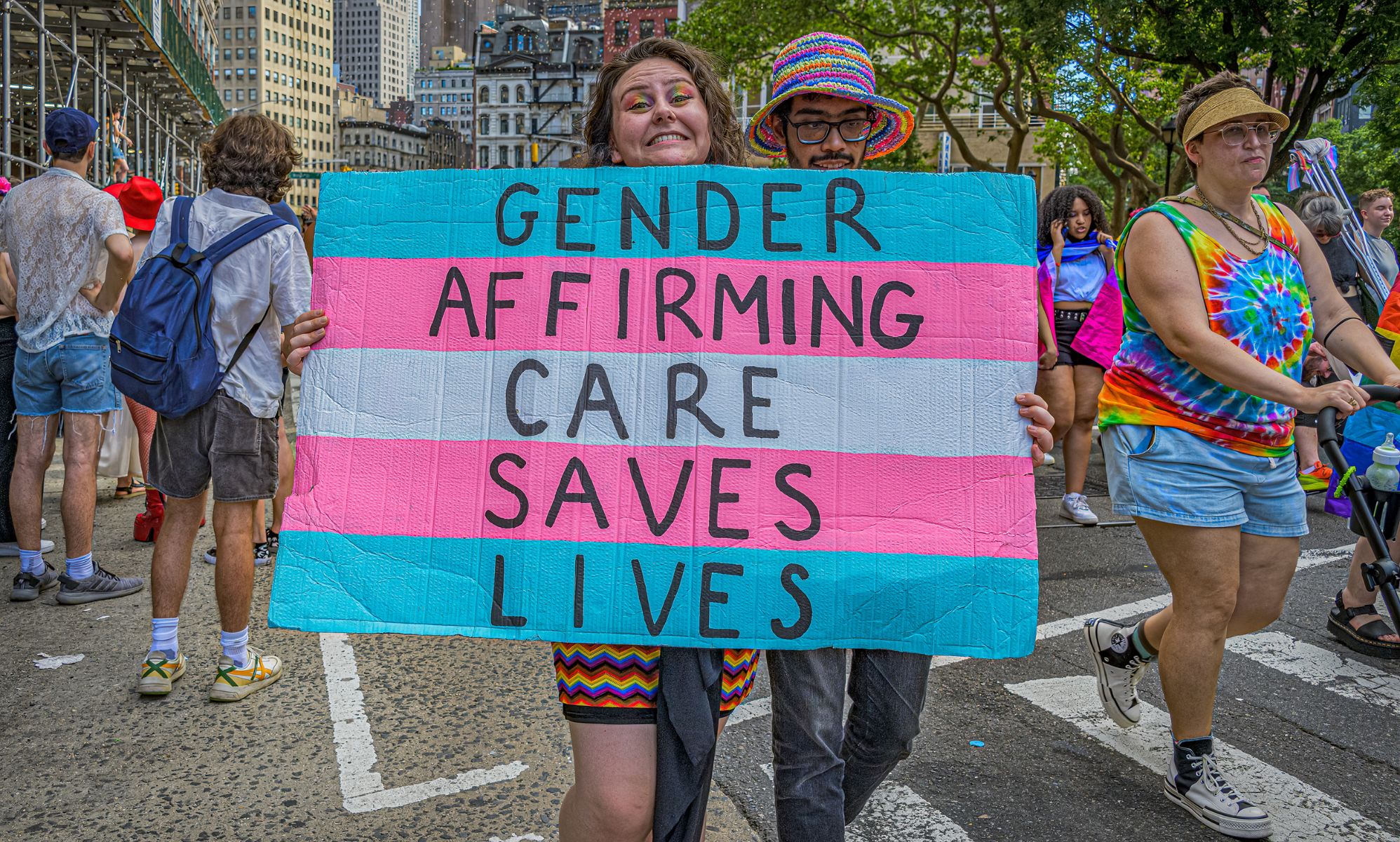
A full trial on the merits will be scheduled, during which the judge will decide whether the Help Not Harm Act is constitutional. Until that time, or until a higher court stays the injunction, healthcare providers in Kansas can continue to offer gender-affirming care to minors without fear of prosecution under this specific law.
The state’s appeal will be the most immediate hurdle. If the appellate court finds that the lower court erred, the injunction could be lifted, and the ban could go into effect immediately. This creates a volatile environment for patients who rely on consistent medication and therapy.
The legal community will be watching closely to see if the Kansas courts align with recent federal rulings that have emphasized the role of parental autonomy and medical expertise over legislative mandates in the realm of specialized healthcare.
The next confirmed checkpoint in this case is the filing of the state’s formal appeal and the subsequent scheduling of oral arguments before the appellate court. Updates on the hearing dates and the court’s final decision will be critical for families and providers across the state.
Do you believe the state should have the authority to regulate specialized medical treatments for minors, or should these decisions remain between parents and doctors? Share your thoughts in the comments below and share this article to keep others informed on this developing legal story.
Keep reading