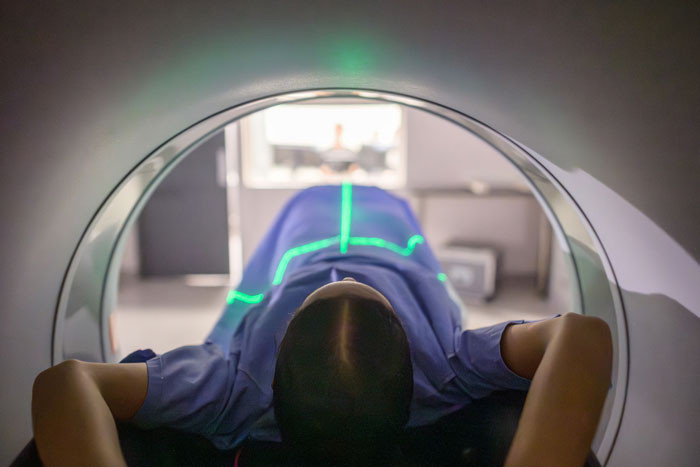
Global cancer trends are undergoing a paradoxical shift: while the total number of new diagnoses is reaching record levels, the probability of dying from the disease is experiencing a sustained, historic decline. According to the World Health Organization’s International Agency for Research on Cancer (IARC), the rise in new cases is primarily driven by population growth, aging demographics, and changes in environmental and lifestyle risk factors. Simultaneously, advancements in early detection technologies, precision medicine, and standardized treatment protocols have significantly improved survival outcomes across many high-income and developing nations.
This evolving landscape suggests that while the burden of cancer remains a critical public health challenge, the narrative is shifting from a focus on inevitable mortality toward long-term management and successful remission. Data from the American Cancer Society highlights that the overall cancer death rate in the United States has dropped by approximately 33% since 1991, a trend mirrored in several other regions where screening programs have become widely accessible.
The Drivers of Rising Diagnoses
The global surge in cancer diagnoses is not necessarily evidence of a more virulent disease, but rather the result of a more capable diagnostic infrastructure. As healthcare systems expand, particularly in middle-income countries, more individuals have access to screenings that were previously unavailable. The World Health Organization notes that early detection programs—such as mammography for breast cancer, colonoscopies for colorectal cancer, and HPV testing for cervical cancer—are identifying malignancies at earlier, more treatable stages.
Beyond improved detection, demographic shifts play a decisive role. Cancer is fundamentally a disease of aging; as global life expectancy increases, more people are living long enough to develop age-related cellular mutations. Furthermore, the Lancet Oncology commission emphasizes that exposure to lifestyle-related risk factors, including tobacco use, processed diets, and sedentary habits, continues to drive incidence rates upward in both industrialized and rapidly developing nations.
Why Mortality Rates Are Falling
The historic decline in cancer mortality is largely attributed to a “triple threat” of medical innovation: more effective screening, the rise of targeted therapies, and the maturation of immunotherapy. Unlike traditional chemotherapy, which often targets all rapidly dividing cells, precision medicine allows oncologists to tailor treatment to the specific genetic profile of a patient’s tumor. This approach increases efficacy while reducing the systemic toxicity that once limited treatment options for many patients.
Institutional investment in clinical research has also accelerated the speed at which new drugs move from laboratory trials to bedside application. According to the Nature Reviews Cancer journal, the five-year survival rate for many common cancers has reached record highs, with patients now living years or even decades longer than they would have in the late 20th century. This shift is turning many cancer diagnoses into chronic conditions that can be managed effectively through continuous, long-term care.
Bridging the Equity Gap
Despite these successes, a significant disparity remains in cancer outcomes based on geography and socioeconomic status. The IARC reports that while mortality is falling in countries with robust, universal healthcare systems, the burden is disproportionately higher in regions where access to diagnostic and therapeutic resources is limited. Closing this “equity gap” is the primary objective of current global health initiatives, which focus on decentralizing cancer care and expanding the availability of essential medicines in low-resource settings.
For the individual patient, the current state of oncology represents a move toward personalized, evidence-based medicine. Patients are increasingly encouraged to participate in shared decision-making processes, where genetic testing and real-time monitoring allow for adjustments to treatment plans based on how the disease responds at the molecular level.
Future Outlooks and Patient Guidance
The next major checkpoint for global oncology will be the publication of updated WHO Global Cancer Reports, which are expected to provide further clarity on how post-pandemic healthcare disruptions have impacted long-term survival statistics. As clinical trials continue to explore the potential of mRNA vaccines and AI-driven diagnostic imaging, the medical community remains cautiously optimistic about further reducing mortality.
For those seeking information on screening guidelines or the latest advancements in treatment, official resources remain the most reliable path. It is advisable to consult localized health department portals or reputable international bodies such as the Union for International Cancer Control for guidance tailored to specific regions and demographics. Staying informed through verified medical literature is essential for patients and their families navigating these complex health decisions.
Have you or a family member benefited from recent advancements in cancer screening or treatment? Share your experiences or questions in the comments section below to join the conversation on the future of global oncology.