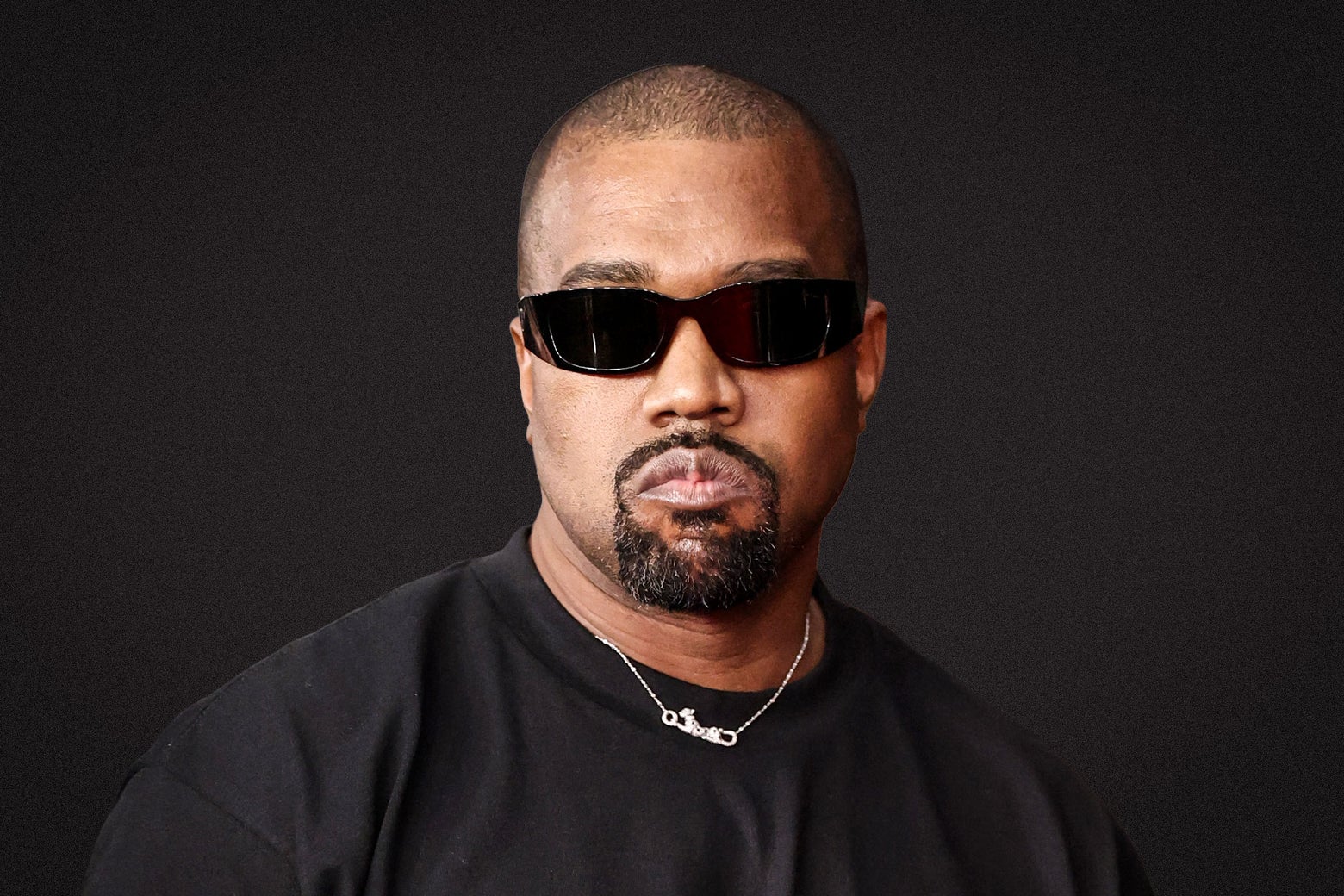
The intersection of global celebrity, corporate sponsorship, and national security has reached a flashpoint in London this week. The U.K. Government has officially barred the rapper and entrepreneur Ye, formerly known as Kanye West, from entering the country, a decision that has triggered the immediate cancellation of one of the city’s most anticipated summer music events.
The Kanye West UK travel ban has not only halted a planned artistic comeback but has created a significant ripple effect across the entertainment and business sectors. The decision by the Home Office to deny Ye entry has forced the Wireless Festival to scrap its entire event, leaving ticket holders facing refunds and sponsors grappling with the fallout of a high-profile booking gone wrong.
For those watching from North America, the situation may appear to be a straightforward case of “cancel culture” or a simple diplomatic disagreement. However, from a business and policy perspective, the collapse of the Wireless Festival illustrates a deeper tension between the commercial drive to book “disruptive” headliners and the stringent legal frameworks governing public good and national entry requirements in the United Kingdom.
The Home Office confirmed that the decision to refuse permission was based on the grounds that Ye’s presence “would not be conducive to the public good.” This specific legal phrasing marks a decisive move by the British government to prioritize social cohesion over the commercial interests of a major music festival.
The Collapse of Wireless Festival: A Commercial Domino Effect
The Wireless Festival, a cornerstone of London’s hip-hop scene, was scheduled to feature Ye as the headliner for all three days of the event this July. The scale of the booking was ambitious, intended to serve as a pivotal stage in the artist’s attempted comeback, following a new album and various performances across North America. However, the ambition of the organizers collided with the reality of the artist’s public record.
The financial and operational impact of the ban was immediate. According to reports from NPR, major sponsors began pulling out of the event shortly after Ye was announced as the headliner. This corporate exodus, combined with vocal opposition from British politicians, created a precarious environment long before the government issued the formal ban.
The festival’s official website now carries a stark notice: “As a result of the Home Office banning YE from entering the United Kingdom, Wireless Festival has been forced to cancel.” The organizers have confirmed that all ticket holders will receive an automatic full refund. The timing of the collapse was particularly disruptive, as presale tickets had reportedly sold out on Tuesday, while the general sale was slated to open on Wednesday.
In a statement, Wireless Festival claimed that “multiple stakeholders” had been consulted before booking the artist and that “no concerns were highlighted at the time.” The festival similarly acknowledged that “antisemitism in all its forms is abhorrent,” reflecting the intense pressure the organization faced to align its commercial interests with ethical standards.
The Legal Mechanism: Understanding the ETA Refusal
To understand how the U.K. Government executed this ban, one must look at the Electronic Travel Authorisation (ETA) system. The Home Office informed the BBC that Ye had submitted an application on Monday to travel to the U.K. Via an ETA. This digital system is required for visitors who do not need a visa for short stays of up to six months and do not already possess U.K. Immigration status.
The refusal of the ETA is the primary legal lever used here. By blocking the authorization, the government effectively neutralized the artist’s ability to legally enter the border, regardless of the contracts he had signed with private entities like the Wireless Festival. As detailed by the BBC, this move was a direct response to a string of antisemitic, racist, and pro-Nazi comments made by the artist over the last several years.
The “public good” clause is a powerful tool in U.K. Immigration law, allowing the government to exclude individuals whose presence is deemed harmful to the community or likely to incite disorder. In this instance, the government cited a history of inflammatory rhetoric, including a 2022 social media post where Ye claimed he would go “death con 3 On Jewish people” and a podcast appearance where he stated, “I see good things about Hitler.”
Timeline of the Wireless Festival Cancellation
| Date/Time | Event | Outcome |
|---|---|---|
| Monday, April 6, 2026 | Ye applies for Electronic Travel Authorisation (ETA) | Application submitted to Home Office |
| Tuesday, April 7, 2026 | Presale tickets released | Tickets believed to have sold out |
| Tuesday, April 7, 2026 | Home Office refuses ETA | Entry denied on “public good” grounds |
| Tuesday, April 7, 2026 | Wireless Festival issues statement | Entire event cancelled; refunds issued |
The “Comeback” Strategy and the Jewish Community
The attempted U.K. Performance was designed as a strategic pivot for Ye, who has been attempting to rehabilitate his image after significant professional losses. This strategy involved a combination of new music and high-profile live appearances. However, the U.K. Government’s response suggests that the threshold for “rehabilitation” in the eyes of the state is higher than the threshold for commercial viability in the music industry.
Following the ban, Ye has attempted to pivot toward a dialogue-based approach. According to The Guardian, Ye offered on Tuesday to “meet and listen” to members of the U.K.’s Jewish community. The Wireless Festival statement echoed this, noting that Ye “acknowledges that words alone are not enough” and still hopes for the opportunity to begin a conversation with the community.
From a business perspective, this “listen and learn” approach is a common crisis management tactic. However, the timing—occurring only after the travel ban was enacted—makes it appear reactive rather than proactive. For the U.K. Government, the priority remained the prevention of potential unrest and the upholding of standards against antisemitism, outweighing the artist’s desire for a conversational redemption arc.
What In other words for the Global Entertainment Industry
The cancellation of the Wireless Festival serves as a cautionary tale for event promoters and corporate sponsors. The “Kanye West model” of booking—relying on the sheer gravity of a superstar’s brand to override controversy—is increasingly risky in an era of heightened government scrutiny and corporate social responsibility (CSR) mandates.
For American observers, the key takeaway is the difference in how “free speech” and “public good” are balanced in the U.K. While the U.S. Has broad First Amendment protections that often shield controversial figures from government interference in private contracts, the U.K. Government maintains significant discretionary power over who is permitted to enter its borders.
The financial risk is also substantial. The “automatic full refund” promised by Wireless Festival represents a massive loss of projected revenue and a potential liability for the organizers. When sponsors pull out and the headliner is banned, the remaining infrastructure of the festival—security, staging, and staffing—becomes a sunk cost that can jeopardize the future of the event brand.
Key Takeaways for Stakeholders
- For Promoters: Due diligence must extend beyond “stakeholder consultation” to include a realistic assessment of a performer’s legal eligibility to enter a country.
- For Sponsors: The trend of “rapid dissociation” from controversial figures is accelerating, making high-risk bookings a liability for brand equity.
- For the Artist: The U.K. Government has set a high bar for reentry, suggesting that apologies or offers of dialogue may not be sufficient to overturn a “public good” ban.
- For the Public: The event underscores the role of government intervention in preventing the platforming of hate speech at large-scale public gatherings.
The next confirmed development will be the processing of refunds for the thousands of ticket holders who had secured presale access. There is currently no scheduled date for a legal appeal or a reconsideration of the ETA refusal by the Home Office.
Do you believe governments should have the power to ban artists based on their speech, or is this an overreach into the arts? Share your thoughts in the comments below and share this analysis with your network.