
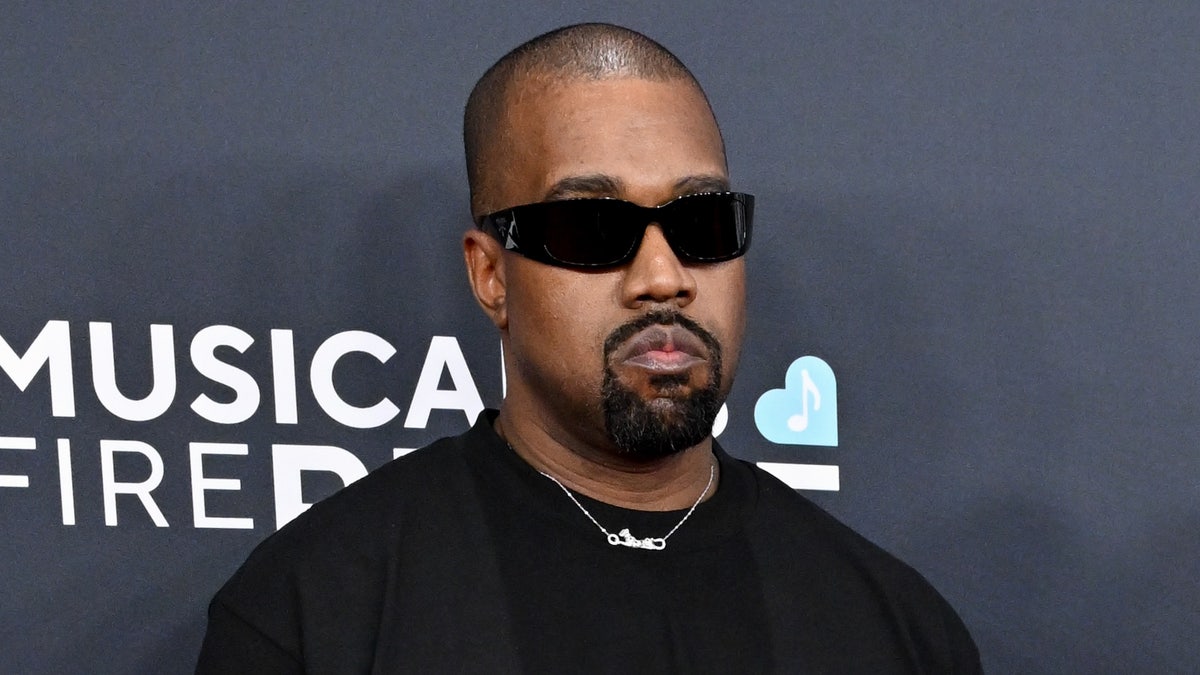
In a rare and highly publicized gesture of contrition, musician and entrepreneur Kanye West issued a formal apology for his antisemitic comments through a full-page advertisement in the Wall Street Journal. The move comes after a period of intense scrutiny and significant professional fallout following a series of remarks that sparked global condemnation and led to the termination of several high-profile business partnerships.
The decision to utilize a prestigious financial publication for his apology suggests a strategic attempt to reach the business community and institutional investors who distanced themselves from the artist. By placing the ad in the Wall Street Journal, West targeted an audience of corporate executives and policymakers, attempting to repair a brand that had been severely damaged by hate speech and erratic public behavior.
This apology follows a turbulent chapter in West’s career, where his rhetoric shifted from provocative art to targeted attacks against the Jewish community. The fallout was not merely social but financial, as major corporations severed ties to protect their own brand equity and adhere to corporate social responsibility standards.
The Path to the Wall Street Journal Apology
The controversy began with a series of antisemitic statements made across social media and during various media appearances. These comments, which included praising historical dictators and promoting harmful tropes about Jewish people, triggered a rapid collapse of his professional network. The most notable casualty was his partnership with Adidas, which had helped propel his “Yeezy” brand to billion-dollar valuations.
For months, the public witnessed a cycle of outbursts and brief retreats. However, the Wall Street Journal advertisement represented a more formal shift toward accountability. In the ad, West expressed regret for the pain his words caused, acknowledging that his comments were hurtful and unacceptable. The use of a paid advertisement—rather than a social media post—was seen by many analysts as an effort to provide a permanent, documented record of his remorse.
The timing of the apology coincided with West’s attempts to navigate the legal and financial wreckage of his lost contracts. With the loss of his billionaire status—largely tied to the Yeezy valuation—the apology served as both a moral gesture and a potential prerequisite for any future corporate collaborations.
The Impact on Business Partnerships
The consequences of West’s rhetoric were swift and systemic. The “cancel culture” narrative often discussed in these contexts was, in this case, a reflection of corporate risk management. When a brand ambassador becomes a liability due to hate speech, the financial risk of maintaining the partnership often outweighs the revenue generated by the product.

Adidas, in particular, faced immense pressure from shareholders and the public to distance itself from West. The company eventually terminated the partnership, citing that it “cannot tolerate antisemitism and any other form of hate speech.” This move resulted in a significant loss of revenue for both the company and the artist, highlighting the intersection of social ethics and global commerce.
Other brands, including Gap and Balenciaga, followed suit. This collective exodus illustrated a broader trend in the modern economy: the “values-based” consumer. Today’s global audience, particularly Gen Z and Millennials, increasingly demands that the brands they support align with their personal ethics regarding equality and human rights.
Analyzing the Sincerity and Strategy of the Apology
Critics and supporters have been divided on whether the apology was a genuine act of repentance or a calculated PR move. In the world of high-stakes celebrity branding, the line between personal growth and image rehabilitation is often blurred. The choice of the Wall Street Journal is telling; it is a publication associated with stability, truth, and the global financial elite.
From a psychological perspective, the transition from aggressive rhetoric to a formal apology can be complex. Some observers suggest that the isolation resulting from his lost partnerships may have forced a moment of reflection. Others argue that the apology is a tactical necessity to regain access to the platforms and distribution networks required to maintain his lifestyle and business ambitions.
Regardless of the intent, the apology serves as a case study in crisis management. By addressing the harm directly and using a medium that commands respect, West attempted to pivot from the role of an agitator to that of a reformed figure. However, the effectiveness of such an apology often depends on the subsequent actions of the individual—specifically, whether the behavior that led to the apology is permanently abandoned.
The Role of Antisemitism in Public Discourse
The discourse surrounding Kanye West’s comments has highlighted the persistent nature of antisemitism in the digital age. The speed with which his views spread across platforms like X (formerly Twitter) and Instagram demonstrated how algorithms can amplify hate speech, reaching millions before moderation systems can intervene.
Community leaders and organizations, such as the Anti-Defamation League, have pointed out that celebrity-endorsed antisemitism is particularly dangerous given that it lends a veneer of “edge” or “truth-telling” to ancient prejudices. When a figure with West’s reach validates these tropes, it can embolden extremist elements within the population.
The apology in the Wall Street Journal, was not just a personal matter but a public necessity. For those targeted by his rhetoric, a simple tweet is insufficient. A formal admission of wrongdoing in a record of note is a step toward acknowledging the systemic harm caused by such statements.
What Happens Next for Kanye West?
The future of West’s career remains uncertain. While the apology may open doors that were previously slammed shut, the threshold for trust has been raised significantly. Future partners will likely demand more than a printed apology; they will look for a sustained pattern of pro-social behavior and a commitment to educating himself and his audience on the dangers of hate speech.
Financially, West is in a position of rebuilding. The loss of the Yeezy empire was a blow to his net worth that cannot be quickly recovered. His path forward likely involves a return to music and independent fashion ventures, where he has more direct control over his brand without the require for corporate intermediaries.
The broader lesson from this episode is the volatility of the “celebrity-industrial complex.” The same fame that allows an artist to command the attention of the world can be dismantled almost overnight when that fame is used to promote hatred. The Wall Street Journal ad is a bid for a second chance, but the world is watching to see if the change is substantive or superficial.
Key Takeaways from the Controversy
- Corporate Accountability: Major brands like Adidas demonstrated that hate speech is a breach of contract and a risk to brand equity.
- The Power of Medium: Using a financial newspaper for an apology targets a specific demographic of power-brokers and investors.
- Digital Amplification: The event underscores how celebrity influence can rapidly spread harmful ideologies via social media.
- Reputation Recovery: A formal apology is the first step in a long process of rebuilding trust with a global audience.
As the situation evolves, the focus will remain on West’s public conduct and whether he continues to advocate for the communities he previously targeted. There is no scheduled official hearing or court date regarding these specific comments, but the “court of public opinion” remains in session.
We invite our readers to share their perspectives on the intersection of celebrity influence and corporate ethics in the comments section below. Please share this article to join the conversation on accountability in the digital age.