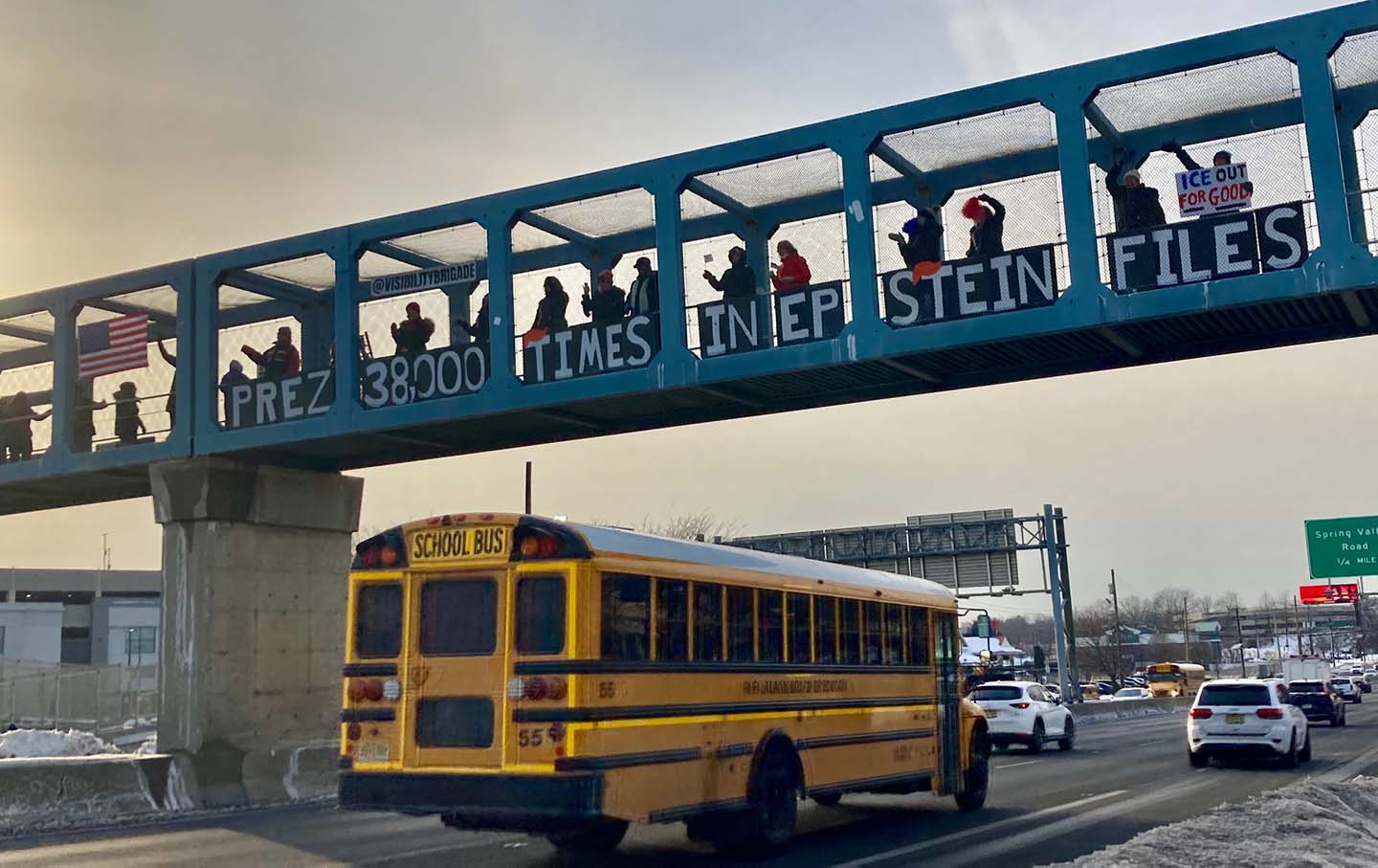
Ongoing legal proceedings and the unsealing of court documents related to Jeffrey Epstein continue to generate significant public and media interest regarding the identities of individuals associated with the late financier. While numerous records have been made public following court orders in the Southern District of New York, advocacy groups and legal observers maintain that additional transparency regarding the full scope of the case is necessary to understand the breadth of Epstein’s network.
The disclosure of the so-called Epstein files follows years of litigation initiated by victims and media organizations seeking access to sealed materials from a 2015 defamation lawsuit filed by Virginia Giuffre against Ghislaine Maxwell. According to the United States District Court for the Southern District of New York, presiding Judge Loretta Preska ordered the release of hundreds of documents, which were processed and made available to the public in early 2024. These records include depositions, motions, and witness lists that identify various associates, public figures, and employees connected to Epstein’s activities.
Legal Framework and the Process of Unsealing
The release of these records is not a singular event but part of a structured judicial process. The documents were initially shielded under protective orders during the civil litigation between Giuffre and Maxwell, which concluded in a settlement. Following the death of Epstein in 2019 and the subsequent criminal conviction of Maxwell in 2021, news organizations—including the Associated Press and The Miami Herald—petitioned the court to lift the seals, arguing that the public interest outweighed privacy concerns for many of the individuals named.
Judge Preska’s rulings required the redaction of names belonging to individuals deemed to be victims or those who were minors at the time of the events described, in accordance with federal privacy standards. Official records from the Department of Justice confirm that while the documents contain references to high-profile figures, the presence of a name in these files does not constitute evidence of criminal wrongdoing. The court has maintained a policy of releasing materials in batches as they are reviewed for compliance with privacy mandates.
Public Demand for Further Disclosure
Despite the release of thousands of pages of testimony, calls for transparency persist. Critics and transparency advocates argue that the current disclosures remain incomplete, suggesting that additional files held by law enforcement or within other jurisdictions could provide a more comprehensive picture of the events. The primary driver for this ongoing demand is the desire for accountability regarding the systems that enabled Epstein to operate for decades.
The complexity of the litigation lies in balancing the public’s right to know against the privacy rights of those who may have been wrongfully implicated or who were victims of abuse. Legal analysts note that the court must navigate these competing interests under the Federal Rules of Civil Procedure, which govern the discovery and sealing of evidence. As it stands, the court continues to evaluate remaining sealed documents on a case-by-case basis, with no set date for the conclusion of the unsealing process.
Impact on Ongoing Investigations
The Epstein files have served as a source of information for journalists and investigators examining the broader implications of the case. While the criminal case against Jeffrey Epstein was terminated following his death in a Manhattan federal jail—a development confirmed by the Department of Justice Office of the Inspector General—the fallout continues to influence public discourse on institutional failure and victim advocacy. The documents have provided corroborating details for accounts previously reported by victims, helping to substantiate claims regarding the environments in which abuse occurred.

For those tracking the developments, the most reliable source for updates remains the public docket of the Southern District of New York. Legal observers advise that any claims regarding the contents of the files should be cross-referenced with the official transcripts and exhibits released by the court clerk’s office rather than secondary reports. Future updates on the status of remaining sealed documents are expected to be posted through the court’s official electronic filing system, PACER, as judicial reviews proceed.
The next steps in this matter depend on upcoming motions filed by legal counsel for the parties involved and the subsequent orders issued by Judge Preska. As the court continues its review, the public remains focused on whether further disclosures will offer new insights or confirm existing patterns of activity. Please share your thoughts on the importance of judicial transparency in this case in the comments section below.
Worth a look