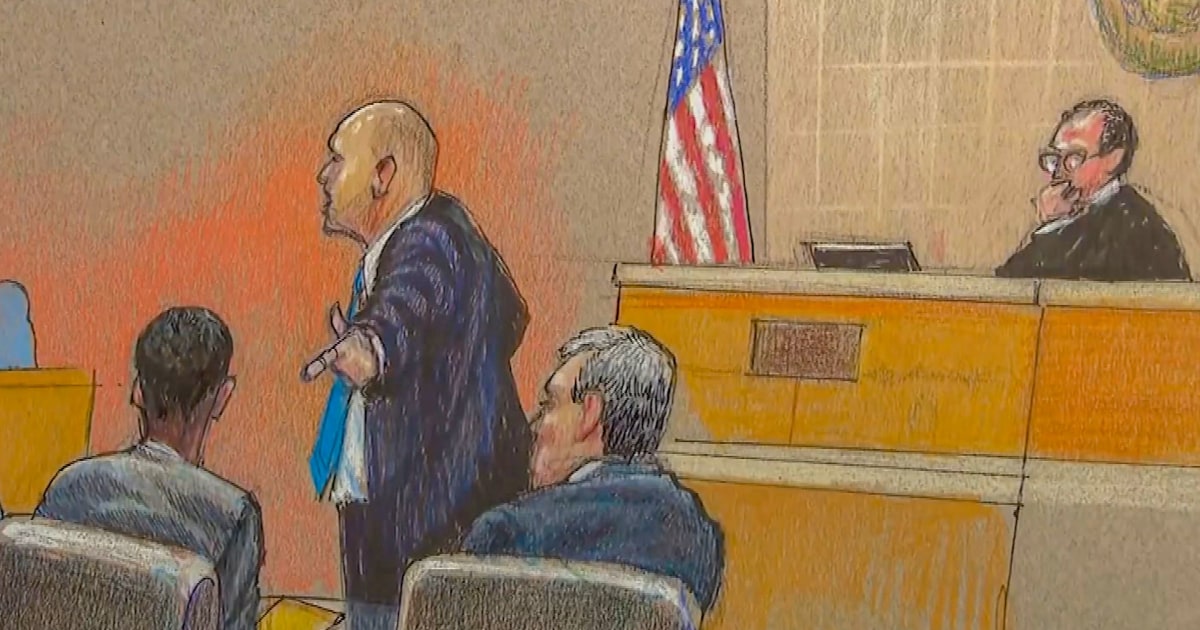
The murder trial of Karmelo Anthony has entered a critical phase in Collin County, Texas, as witnesses provide harrowing accounts of the confrontation that led to the fatal stabbing of Austin Metcalf. Recent testimony has focused on the immediate, chaotic aftermath of the incident, with witnesses describing the severity of the wound inflicted during the altercation at a Frisco Independent School District track meet.
The proceedings, which have drawn significant national attention due to underlying racial tensions and intense public interest, are currently centered on determining whether the 19-year-old Anthony acted in self-defense or intentionally provoked a confrontation that turned deadly. The trial follows a high-profile jury selection process that has already sparked controversy regarding the racial composition of the legal panel.
As the court hears detailed descriptions of the physical altercation and the subsequent medical emergency, the central question for the jury remains whether the use of a knife was a justified response to a physical shove or a premeditated act of violence. The case, which stems from an incident on April 2, 2025, at Kuykendall Stadium, continues to divide supporters of both the defendant and the deceased student-athlete.
Witnesses Detail the Confrontation and Aftermath
During recent testimony, witnesses described a tense atmosphere at the track meet that escalated from verbal exchanges to physical violence. One teen witness testified that Anthony and Metcalf exchanged expletives shortly before the stabbing occurred. According to the witness, the verbal altercation preceded a moment when Metcalf allegedly shoved Anthony, though the witness noted the shove “wasn’t hard.”
The testimony further detailed the moments following the struggle. Witnesses described the chaotic scene at the stadium, noting that the confrontation resulted in Metcalf falling backward. The prosecution has used these accounts to build a narrative of a sudden, violent encounter, while the defense has focused on the physical contact initiated by the victim to support their self-defense claims.
The trial has also seen the introduction of evidence regarding the weapon used. Jurors have viewed testimony and evidence concerning a knife, which prosecutors allege was hidden and opened in Anthony’s hand during the fight. This specific detail is central to the prosecution’s argument that the encounter was not a spontaneous reaction but a calculated use of a weapon.
The Prosecution’s Argument: Provocation and Premeditation
Collin County prosecutor Bill Wirskye has presented a case centered on the theory of provocation. The prosecution argues that Anthony did not merely react to a threat but actively initiated a confrontation with a student he did not know. Wirskye told the jury that the evidence will demonstrate Anthony used a “hidden knife” to plunge into Metcalf’s chest, causing his death, before fleeing the scene.
A key component of the state’s case involves the assertion that the use of the knife was not a defensive necessity. Prosecutors contend that the circumstances surrounding the stabbing show a level of intent that transcends the legal definition of self-defense. By highlighting the “hidden” nature of the weapon, the state aims to show that Anthony was prepared for a violent outcome.
The prosecution’s strategy appears aimed at countering the defense’s claim that the stabbing was a reflexive response to being shoved. By focusing on the weapon’s concealment, the state seeks to convince the jury that the act was an escalation rather than a protection of personal safety.
Defense Strategy: A Claim of Self-Defense
Defense attorney Mike Howard is leading a strategy built on the principle of self-defense. The defense maintains that Anthony, who was 17 at the time of the incident, was reacting to a physical threat posed by Metcalf. The defense has pointed to the testimony regarding the shove as evidence that Anthony felt physically imperiled during the exchange.
During cross-examinations, the defense has sought to establish the context of the altercation and the movements of both teenagers. The defense has also challenged the prosecution’s characterization of the event, looking to frame the incident as a tragic escalation of a minor physical dispute rather than a planned murder. The defense’s goal is to create reasonable doubt regarding the intent to kill, suggesting instead that Anthony’s actions were a response to immediate physical contact.
Controversy Over Jury Selection and Racial Tensions
The Karmelo Anthony trial has been shadowed by significant controversy regarding the selection of the jury. During the vetting process, a pool of 589 prospective jurors was narrowed down to the current panel of 12 jurors and six alternates. However, the process faced scrutiny when it was reported that all potential Black jurors were dismissed following questions from prosecutors.
Prosecutors reportedly argued that the circumstances of the crime were “race-neutral” and did not necessitate a diverse panel. This stance has drawn criticism from observers who argue that the racial dynamics of the case—involving a Black defendant and a White victim—are central to the public perception and the potential for bias. The controversy has been amplified by the high-profile nature of the case and the presence of protesters outside the Collin County courthouse.
The atmosphere surrounding the courthouse has remained volatile. On the opening days of the trial, supporters of both Anthony and Metcalf gathered near the entrance, leading to heated verbal exchanges. While sheriff’s deputies monitored the crowds and no physical altercations were reported during these specific instances, the tension highlights the broader social implications of the trial.
Key Trial Details at a Glance
| Category | Details |
|---|---|
| Defendant | Karmelo Anthony (19) |
| Victim | Austin Metcalf (17) |
| Incident Date | April 2, 2025 |
| Location | Kuykendall Stadium, Frisco, Texas |
| Primary Charge | First-degree murder |
| Legal Arguments | Provocation (State) vs. Self-Defense (Defense) |
The trial is expected to continue with further witness testimonies and the presentation of additional forensic evidence. The jury’s final decision will hinge on the interpretation of the physical struggle and the intent behind the use of the knife.
Next Scheduled Update: The court is expected to proceed with further witness testimonies in the coming days. Official updates will be provided as the trial progresses through the evidentiary phase.
What are your thoughts on the legal arguments presented in this case? Let us know in the comments below and share this article to keep the conversation going.
- Finals 2026 und Leichtathletik: Heute Tag des deutschen Sports LIVE! | Sportmix | Sportbild.de
- Donald Trump ‘jokes’ about running for third term as US president
- Juneau Police Department Investigating Fatal Incident (news-usa.today)
- Red Sox Beat Blue Jays 6-4 as Anthony Seigler Records First Four-Hit Game (time.news)