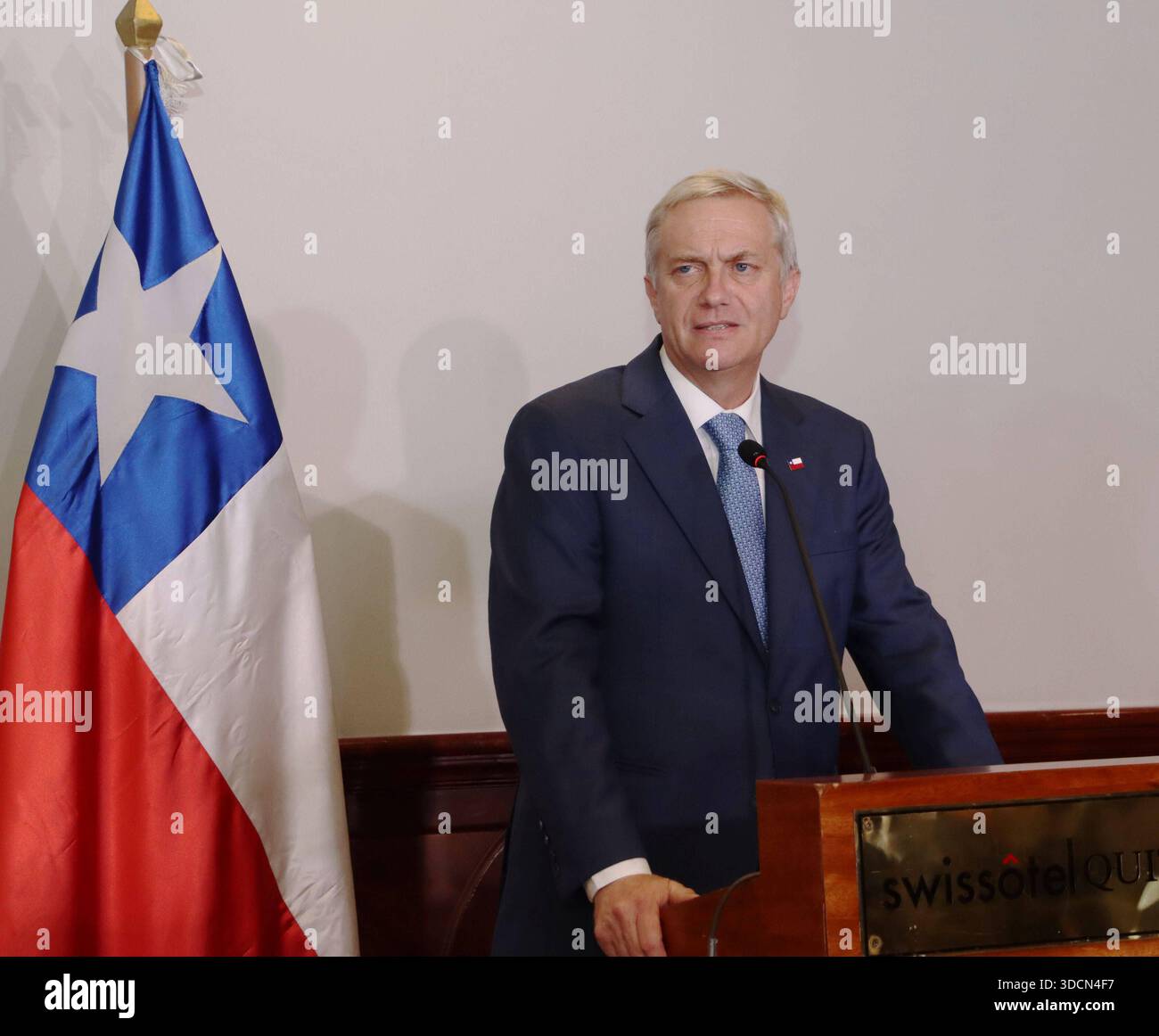
Chile’s government is set to introduce significant amendments to the universal daycare bill, a landmark initiative aimed at expanding early childhood education access across the country. President José Antonio Kast announced the move, which will submit proposed changes to the existing Sala Cuna Universal project by June 15, 2026. The revisions are expected to address operational challenges, funding mechanisms, and eligibility criteria, though details remain under wraps until the official submission.
The universal daycare program, a cornerstone of Chile’s social policy agenda, seeks to provide free or subsidized early childhood care for families nationwide. While the original bill passed key legislative hurdles earlier this year, stakeholders—including educators, parents, and opposition lawmakers—have raised concerns about implementation timelines, regional disparities, and sustainability. Kast’s amendments, if approved, could reshape the program’s rollout, potentially accelerating access for low-income families while tightening oversight on public funding allocation.
This development comes as Chile grapples with rising demand for affordable childcare, exacerbated by economic pressures and labor market shifts. The government’s decision to refine the bill reflects broader efforts to balance fiscal responsibility with social equity, though critics warn delays could undermine progress in reducing child poverty rates. Below, we break down the key implications, stakeholder reactions, and what families can expect in the coming months.
What the Universal Daycare Bill Aims to Achieve
The Sala Cuna Universal initiative is designed to eliminate barriers to early childhood education by offering:
- Free or low-cost daycare for children aged 0–4, prioritizing households below the poverty line.
- Expanded infrastructure, including new daycare centers in underserved municipalities.
- Standardized quality benchmarks for staffing, curriculum, and safety across participating facilities.
- Parental support programs, such as workshops on child development, and nutrition.
According to Chile’s Ministry of Social Development, the program is projected to benefit over 1.2 million children annually once fully implemented. However, critics argue the original bill’s funding model—relying heavily on municipal budgets—risks uneven service quality between wealthier and poorer regions.
Kast’s Amendments: What’s Changing?
While President Kast’s exact proposals have not been publicly detailed, leaks suggest the amendments may include:
- Stricter eligibility criteria to target subsidies more narrowly, potentially excluding middle-class families.
- Federalized funding to reduce reliance on local governments, ensuring consistency in resource distribution.
- Performance-based incentives for daycare providers meeting quality metrics.
- Phased rollout, prioritizing high-need areas before expanding nationwide.
Key Takeaway: The revisions aim to address feasibility concerns without derailing the bill’s core mission. However, opposition parties, including the Apruebo Dignidad coalition, have signaled they may block the amendments if they perceive them as watering down the original social justice goals.
Stakeholder Reactions: Educators, Parents, and Politicians
Reactions to the impending amendments have been mixed:
- Educators and childcare providers welcome the potential for standardized funding but express anxiety over tighter oversight. The Chilean College of Early Childhood Educators has called for transparent communication to avoid disruptions in current programs.
- Parents and advocacy groups, such as Techo Chile, praise the bill’s intent but urge the government to maintain its commitment to universal access, not just targeted subsidies.
- Opposition lawmakers accuse the government of backtracking on promises made during the bill’s initial debate. Democratic Party Senator Juan Ignacio Latorre stated in a recent interview, “We cannot allow this to become a program for the few when the original vision was for all.”
What Happens Next: Timeline and Public Input
The amended bill is expected to be submitted to Congress on June 15, 2026. From there, the process will unfold as follows:
- Legislative review: The bill will be referred to the Chamber of Deputies for a vote, with hearings scheduled for late June.
- Public consultation: The Ministry of Social Development has announced a 30-day period for feedback from parents, educators, and NGOs, though details on how to participate remain unclear.
- Final approval: If passed, the revised law could take effect as early as January 2027, with pilot programs launching in select regions.
Families seeking updates are advised to monitor:
- The Ministry of Social Development’s official website for bill texts and hearing schedules.
- Local municipal offices for regional implementation plans.
- Advocacy group announcements, such as those from UNICEF Chile, for childcare-specific guidance.
Why This Matters: The Broader Impact on Chilean Society
The universal daycare debate is more than a policy update—it’s a reflection of Chile’s evolving priorities. With 30% of children under 6 living in poverty (CEPAL, 2025), early childhood education is seen as a critical tool for breaking the cycle of intergenerational disadvantage. Success could also boost Chile’s workforce participation rates, particularly for women, who currently face significant childcare barriers.
However, skeptics warn that without robust funding guarantees, the program risks becoming another promesa incumplida (unfulfilled promise). “Chile has a history of ambitious social programs that stall at the implementation stage,” notes FLACSO Chile researcher Dr. María José Escobar. “The key will be whether these amendments address the structural issues—or just paper over them.”
Key Takeaways
- The universal daycare bill’s amendments will be submitted by June 15, 2026, with potential changes to funding, eligibility, and rollout timelines.
- Stakeholders are divided: providers seek stability, parents demand accessibility, and politicians debate the balance between equity and fiscal responsibility.
- Public input will be critical in the next 30 days, though participation pathways remain unclear.
- Success hinges on addressing regional disparities and securing long-term funding commitments.
- Watch for legislative updates in late June, with potential pilot programs launching in 2027.
What You Can Do
Have questions about how the amendments might affect your family? Share your concerns in the comments below—or stay tuned for our follow-up report after the June 15 submission. For official updates, bookmark the Ministry of Social Development’s portal.

This story is developing. Check back for live coverage of the congressional hearings and public consultation period.
Worth a look