Navigating Internal Dynamics: The NRM‘s Resilience in Katakwi and the Broader Teso Region
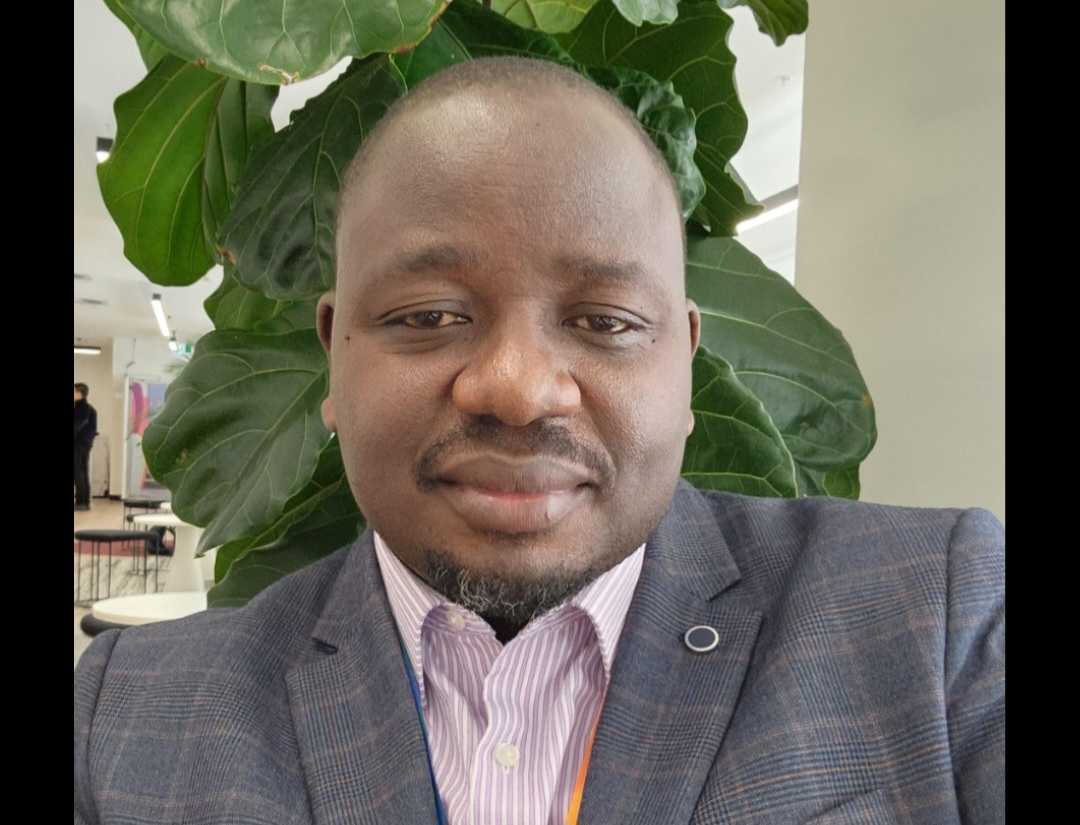
The political landscape of Katakwi, and indeed the wider Teso region of Uganda, is currently witnessing a familiar dynamic: robust competition amongst leaders within the National Resistance Movement (NRM). While some might interpret this as a sign of fracturing, a closer examination reveals a party equipped to manage internal rivalries and, in fact, strengthened by them. As a long-time observer of Ugandan politics, with roots in rural Eastern Uganda and academic experience studying these very dynamics, I believe framing this situation as a crisis is not only misleading but fundamentally misunderstands the NRM’s inherent strengths.
The NRM’s enduring success isn’t built on the absence of disagreement, but on its well-established institutional mechanisms for navigating it. From the village councils to the national structures, a intentional framework exists to mediate differences and foster consensus. Party primaries, caucuses, and consultative forums aren’t merely procedural steps; they are vital spaces for leaders and supporters to openly contest ideas, reconcile after competition, and ultimately, realign around a shared vision.
President Yoweri Museveni, as the party chairman, consistently reinforces this principle. He understands that differences are a natural component of any vibrant, mass movement. His consistent message – to prioritize unifying principles over divisive ones - is a crucial guiding force. It’s imperative that grassroots leaders in Katakwi, and elsewhere, place thier trust in these established party mechanisms, resisting the temptation to escalate disagreements into perceived crises. To constantly require presidential intervention in every local dispute would not only be impractical, but would also undermine the very resilience these structures are designed to cultivate.
A Politically Savvy Electorate
Crucially, the people of Teso are not passive observers in this process.They are a politically mature electorate, capable of discerning between personal rivalries and the overarching goals of the NRM. The 2016 parliamentary election, where Hon. Jessica Alupo lost her seat despite support for her rival from Hon. Peter Ogwang, did not lead to a collapse of the party in Teso. Similarly, Hon. Alupo’s subsequent accomplished return as Vice-President in 2020, alongside Hon. ogwang’s appointment as Minister,demonstrates the NRM’s ability to absorb internal competition and emerge stronger.
This pattern consistently demonstrates that the party’s support base extends far beyond individual personalities.Loyalty resides in the broader movement, in the promise of progress and stability the NRM represents, even when individual leaders clash. The electorate understands this, and their continued support reflects it.
The Power of Diversity: Alupo and Ogwang as Assets
The dynamic between Hon.Alupo and Hon. Ogwang should be viewed not as a liability,but as a significant asset. Both leaders bring unique and valuable strengths to the table. Hon. Alupo, as Vice-President, embodies national stature, extensive experience, and a proven track record of leadership.Hon. Ogwang, as a younger minister, injects energy, innovation, and a vital connection to the youth – the Aba Zukulu – a demographic crucial for the future of the region.
This represents the core strength of the NRM: a capacity to balance continuity with renewal,to learn from the past while embracing the future. As the 2026 elections approach,the challenge isn’t to eliminate these differences,but to harness them productively. Unity doesn’t equate to uniformity; it means recognizing the validity of diverse opinions while remaining steadfastly focused on the shared vision of service to the people and the continuation of the party’s transformative agenda.
A Party Strengthened, Not Weakened by Competition
To characterize the political climate in Katakwi as a crisis is a misrepresentation. Political passion is, and should be, a hallmark of a healthy democracy. The true test of a mature party lies in its ability to accommodate, reconcile, and ultimately, leverage that passion into collective strength. the NRM has demonstrated this capacity time and again.
The rivalry between Hon. Alupo and Hon. Ogwang isn’t tearing the party apart; it’s a testament to its vibrancy, the active engagement of its leaders, and the continued involvement of its grassroots supporters. When managed with maturity and a commitment to the party’s core principles, these differences can energize mobilization efforts, sharpen accountability, and deepen the NRM’s connection to the people it serves.
This isn’t the
Keep reading