
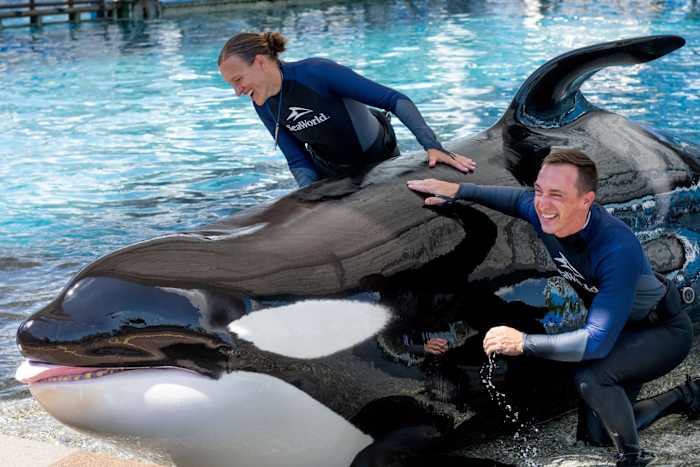
Remembering Katina: A Legacy of Connection and Conservation at seaworld
The world of marine biology and animal care mourns the loss of Katina, a beloved killer whale at SeaWorld Orlando, who passed away on December 21, 2025, at the age of 50. Her passing, following a period of declining health, marks the end of an era and prompts reflection on the complex relationship between humans and these majestic creatures. But what does Katina’s life – and death - tell us about orcas in captivity, conservation efforts, and the future of marine mammal care?
A Life Dedicated to Understanding Orcas
Katina arrived at SeaWorld in 1985, quickly becoming a central figure in the park’s orca program.For nearly four decades, she captivated audiences with her playful personality and distinctive behaviors. SeaWorld fondly remembers her habit of playfully sticking out her tongue and her signature “speed swim,” a powerful display that created a swirling vortex of water.
Beyond entertainment, Katina played a crucial role in educating millions about killer whales. Her presence sparked curiosity and fostered a deeper understanding of these intelligent and complex animals. SeaWorld emphasizes that Katina inspired countless visitors to learn more about orca behavior, marine ecosystems, and the importance of conservation.
Recent Health Decline and Dedicated care
In recent weeks, Katina’s health began to deteriorate due to age-related complications. SeaWorld’s dedicated animal care and veterinary teams provided around-the-clock monitoring and focused on maximizing her comfort and quality of life. The team, comprised of experienced professionals in veterinary medicine and marine mammal care, worked tirelessly to address her needs.
Ultimately, Katina passed away peacefully, surrounded by the staff who had cared for her for so many years. This highlights the strong bonds formed between caregivers and the animals under their care – a testament to the dedication within the SeaWorld team.
The Ongoing Debate: Orcas in Captivity
Katina’s death inevitably reignites the ongoing debate surrounding orcas in captivity. While SeaWorld maintains its commitment to animal welfare and conservation, organizations like PETA continue to advocate for the release of orcas into sanctuaries.
Recent data from the national Oceanic and Atmospheric Administration (NOAA) shows a continued decline in the Southern Resident killer whale population - a critically endangered group - in the wild. This underscores the urgency of conservation efforts, but also fuels the discussion about the role of facilities like SeaWorld in contributing to research and awareness.
Here’s a breakdown of the key arguments:
* Proponents of captivity emphasize the educational opportunities, research contributions, and veterinary care provided in accredited facilities.
* Opponents argue that orcas are highly intelligent, social animals who suffer psychologically and physically in captivity due to limited space and unnatural social structures.
the debate is complex, with valid points on both sides. It’s crucial to approach the topic with nuance and a commitment to informed discussion.
SeaWorld’s Evolving Approach to Orca Care
SeaWorld has made significant changes to its orca program in recent years. In 2016, the company announced it would end its orca breeding program. Furthermore, they’ve shifted their focus towards education and conservation, investing in research and rescue efforts.
According to SeaWorld’s 2024 Impact Report, the company has contributed over $60 million to conservation projects worldwide, including initiatives focused on whale research, ocean cleanup, and habitat restoration. They also actively participate in rescuing and rehabilitating injured marine animals, releasing them back into the wild whenever possible.
Practical Steps You Can Take to Support Orca Conservation:
* reduce your plastic consumption: Plastic pollution poses a significant threat to marine life.
* Support enduring seafood choices: Choose seafood from responsibly managed fisheries.
* Educate yourself and others: Learn about the challenges facing orcas and share your knowledge.
* donate to reputable conservation organizations: Support groups working to protect orcas and their habitats.
Looking Ahead: The Future of Orca Welfare
Katina’s legacy extends beyond her years at seaworld. Her story serves as a reminder of the duty we have to understand and protect these incredible animals.The future of orca welfare hinges on continued research, improved care standards, and a commitment to conservation


