
The debate surrounding young Korean baseball talent opting for opportunities abroad, rather than developing within the Korea Baseball Organization (KBO), is gaining momentum. Recent commentary from former professional player Kang Ri-ho has ignited a discussion about the KBO’s regulations regarding players who pursue careers overseas, specifically a rule that imposes a two-year ban on returning players. This comes after a disappointing showing for the South Korean national team in the 2026 World Baseball Classic (WBC), prompting a re-evaluation of the nation’s approach to player development and international competitiveness.
Kang Ri-ho, who played for the Kiwoom Heroes, Lotte Giants, and NC Dinos, voiced his concerns on his YouTube channel ‘King Yoon-gu’ on March 13th, criticizing the KBO’s policy that prevents players who leave for foreign leagues without going through the draft process from re-entering the KBO for two years. He contrasted this with the more flexible system in Taiwan, where young players are encouraged to pursue opportunities in Major League Baseball (MLB) and Japan without facing such restrictions upon their return. This debate is particularly relevant as South Korea seeks to regain its standing on the international baseball stage.
The Two-Year Rule: Protecting the KBO or Stifling Talent?
Currently, KBO regulation 107 stipulates that any player above high school level who signs a professional contract with an overseas team is ineligible to play in the KBO for two years upon their return. The KBO maintains that this rule is in place to protect the league and prevent a mass exodus of promising young players. The concern is that without this regulation, many potential draft picks would bypass the KBO system altogether, leading to a shortage of talent within the domestic league. This is a significant consideration given the importance of the KBO as a developmental pipeline for Korean baseball.
Yet, critics argue that the two-year ban is overly punitive and hinders player development. Many young players who attempt to break into MLB often find themselves stuck in the minor leagues, unable to gain significant playing time or experience. The KBO’s rule forces these players to wait two years before they can even attempt to revive their careers in Korea, often coinciding with mandatory military service, further delaying their progress. This creates a situation where potentially valuable players are sidelined during crucial years of their athletic prime.
Taiwan’s Approach: Fostering International Competition
The contrast with Taiwan’s system is stark. As Kang Ri-ho pointed out, Taiwan actively encourages its young players to pursue opportunities abroad, viewing international experience as a valuable asset. Players are free to sign with MLB or Nippon Professional Baseball (NPB) teams and return to the Chinese Professional Baseball League (CPBL) without penalty. This approach has seemingly contributed to Taiwan’s recent success on the international stage, including a 5-2 record against South Korea in international competitions since 2018. This success is not merely coincidental; it reflects a system that prioritizes player development and exposure to diverse baseball cultures.
Kang Ri-ho highlighted the demographic differences between the two countries, noting that Taiwan, with a population of 23 million, has been able to produce competitive pitchers comparable to those in South Korea, which has a population of 50 million. He attributes this to Taiwan’s more flexible system, which allows young players to gain experience in advanced baseball environments from an early age. The emphasis on providing opportunities for growth, even if it means players temporarily leave the domestic league, appears to be paying dividends for Taiwanese baseball.

The Appeal of the KBO as a Stepping Stone
Despite the restrictions, the KBO remains an attractive stepping stone for many aspiring players. The league offers a competitive environment and the opportunity to showcase their skills to MLB scouts. The posting system, which allows KBO players to negotiate with MLB teams, has become a popular route for Korean players to reach the majors, often securing lucrative contracts. Recent MLB players from Korea have largely benefited from this system, gaining significant recognition and financial rewards. However, the two-year ban discourages players who might otherwise attempt to sign directly with MLB teams, potentially limiting the pool of talent available to both leagues.
The debate also centers on the concept of player choice. Some argue that players should be free to pursue opportunities wherever they may arise, regardless of whether they participate in the KBO draft. The current system, they contend, infringes upon this freedom and may discourage talented players from pursuing their dreams. The success of players who have navigated the KBO-to-MLB pathway through the posting system does not negate the argument that alternative routes should be available.
A Need for Re-evaluation
Kang Ri-ho’s criticism underscores a growing sentiment that the KBO’s regulations need to be re-evaluated. Although the league’s primary goal is to maintain its competitiveness and ensure a steady supply of talent, it must also consider the potential benefits of a more flexible system. The experience gained by players in foreign leagues, even if they ultimately return to the KBO, can contribute to the overall development of Korean baseball. The success of Taiwan, which has embraced a more open approach, serves as a compelling case study.
The current system, while not inherently flawed, may be hindering South Korea’s ability to compete at the highest level internationally. The two-year ban, while intended to protect the league, could be perceived as overly harsh, particularly for players who fail to establish themselves abroad. A more supportive environment, similar to Taiwan’s, where players are welcomed back even after unsuccessful attempts, could foster a more positive and productive atmosphere. The emphasis should be on creating a system that encourages player development and maximizes the potential of Korean baseball talent.
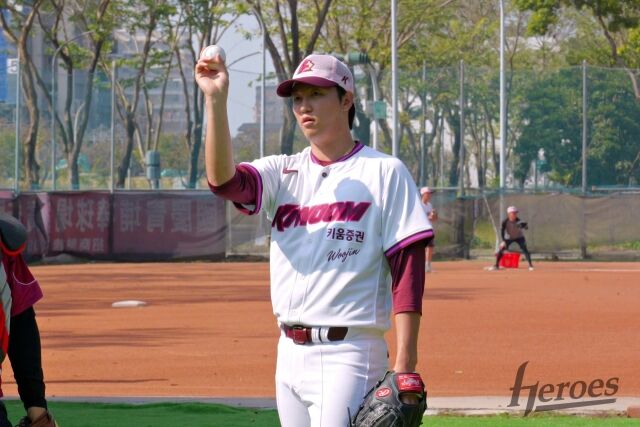
the question is whether the KBO can balance its need to protect the domestic league with the desire to foster international competitiveness. A thorough review of regulation 107, taking into account the experiences of other countries like Taiwan, is essential. The future of Korean baseball may depend on its ability to adapt and embrace a more forward-thinking approach to player development.
The KBO is expected to discuss potential revisions to its regulations during its next board meeting in April. This meeting will be a crucial opportunity to address the concerns raised by players, coaches, and fans alike. The outcome of this discussion will likely shape the future of Korean baseball for years to come.
What are your thoughts on the KBO’s current regulations? Share your opinions in the comments below, and don’t forget to share this article with your fellow baseball fans.
Keep reading