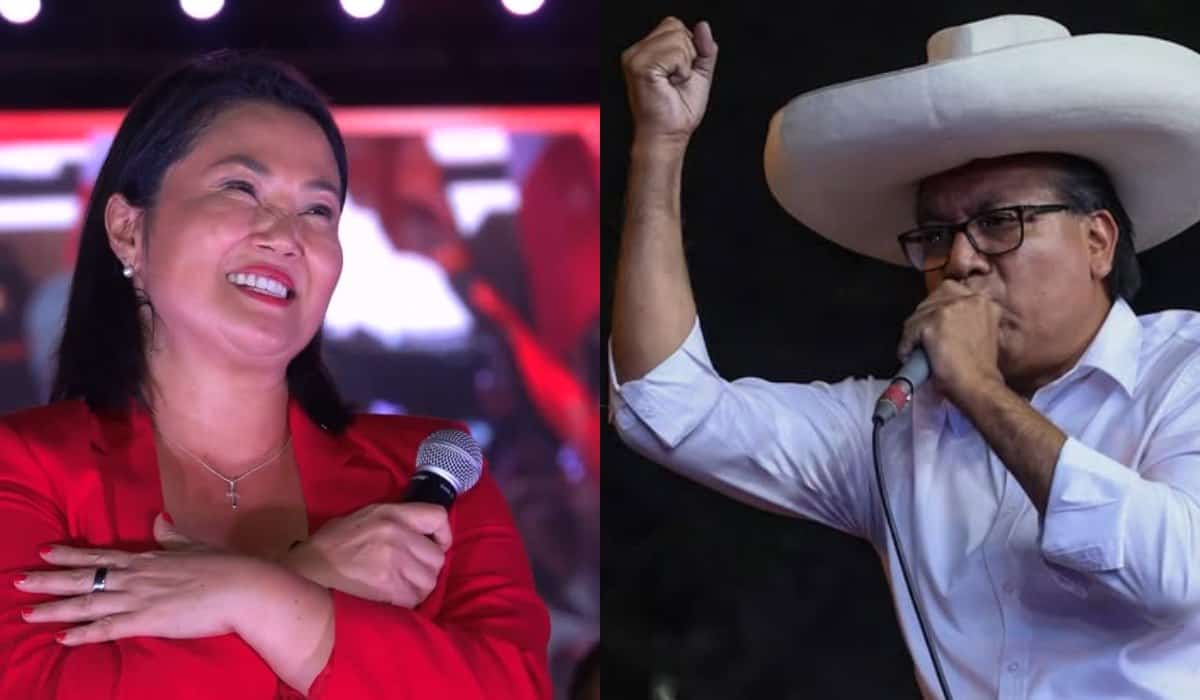
Peru’s political landscape remains in a state of flux as potential candidates and political organizations begin maneuvering ahead of the next scheduled general elections. While the official electoral calendar is managed by the National Office of Electoral Processes (ONPE), public discourse has centered on the potential participation of established political figures, including Keiko Fujimori of the Fuerza Popular party and various members of the current legislative opposition, such as Roberto Sánchez of the Juntos por el Perú coalition.
As of mid-2024, the formal electoral process for the 2026 general elections has not yet reached the stage of candidate registration. According to the National Office of Electoral Processes (ONPE), the official timeline for primaries and candidate inscriptions is dictated by the Law of Political Organizations and the electoral calendar approved by the National Jury of Elections (JNE). Citizens and political analysts are currently monitoring the legislative activities of figures like Sánchez and the public statements issued by party leaders like Fujimori to gauge shifting alliances within the Peruvian Congress.
The Constitutional Path to 2026
The next general election in Peru is constitutionally scheduled for April 2026. This process is governed by the Law of Political Organizations, which mandates that parties must hold internal primary elections to select their presidential and congressional candidates before they can be officially registered with the National Jury of Elections (JNE). These primaries are designed to ensure democratic participation within the parties, though the process has faced scrutiny regarding the effectiveness of these internal contests in recent cycles.
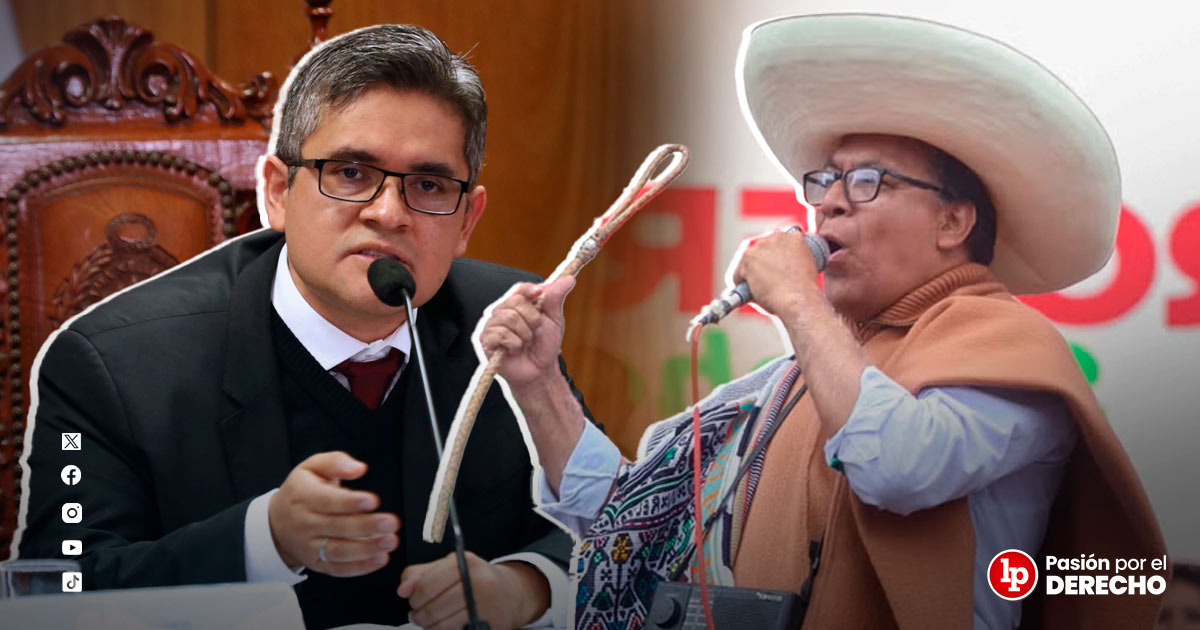
For individuals like Keiko Fujimori, who has been a central figure in Peruvian politics for over a decade, the primary hurdle involves maintaining party cohesion and navigating the complex legal challenges that have persisted throughout her career. Conversely, for legislators like Roberto Sánchez, the focus remains on building broader coalitions within the fragmented legislative environment. Any candidate seeking the presidency must meet the requirements established in the Peruvian Constitution, including being a native-born Peruvian and at least 35 years of age at the time of the election.
Shifting Alliances in the Peruvian Congress
The current legislative period is characterized by a high degree of volatility, with frequent motions of censure against cabinet ministers and debates over constitutional reforms. Roberto Sánchez, a former Minister of Foreign Trade and Tourism, has maintained a vocal presence in opposition to several of the executive branch’s initiatives. His involvement in the legislative agenda reflects the broader strategy of left-leaning coalitions attempting to position themselves for the upcoming electoral cycle.

Keiko Fujimori’s Fuerza Popular continues to exercise significant influence within the unicameral Congress. By controlling key committees and negotiating alliances with other right-leaning blocs, the party has played a decisive role in the passage of various legislative reforms. According to reports from the Congress of the Republic of Peru, the current assembly is tasked with overseeing the implementation of electoral reforms intended to improve the transparency of campaign funding and the eligibility criteria for candidates, though these reforms remain a subject of intense debate among political stakeholders.
Monitoring the Electoral Horizon
The official electoral calendar is the definitive source for tracking the progression toward 2026. While political figures often utilize social media platforms like Instagram and X to express their intent or critique their opponents, these posts do not constitute official candidacy filings. The JNE is expected to publish the finalized cronograma electoral in the months leading up to the start of the primary period, which will provide the specific dates for candidate registration and the submission of party documents.
For international observers and voters, the primary indicator of the race’s trajectory will be the formalization of party alliances and the release of the candidates’ government plans. These documents are required by law to be presented to the JNE and are intended to outline the economic and social policies the candidates propose to implement. As the country approaches the next phase of its political cycle, the focus will remain on the legal requirements for candidacy and the ability of political parties to comply with the regulations set forth by the electoral authorities.
The next major checkpoint for the Peruvian electoral process will be the release of the official JNE calendar, which will establish the definitive dates for the internal primaries. We encourage readers to monitor the official JNE website for the most accurate and up-to-date information regarding the 2026 general elections. If you have insights or questions regarding the upcoming political developments in Peru, please feel free to share them in the comments section below.