
As the British government prepares to return to Westminster following the parliamentary recess, Prime Minister Keir Starmer faces a period of intense political scrutiny. The administration, which took office following the Labour Party’s victory in the July 2024 general election, is navigating a complex landscape of domestic policy challenges and internal party dynamics as it seeks to implement its legislative agenda.
The return to the House of Commons marks a critical juncture for the Prime Minister. While the government maintains a significant majority, recent weeks have seen heightened discussion regarding the future direction of the party’s post-Brexit strategy and the management of economic priorities. According to the official parliamentary calendar, the resumption of sessions in Westminster serves as the primary venue for the government to address these pressures through legislative debate and ministerial questioning.
Navigating the Post-Election Legislative Agenda
Since the July 2024 election, in which the Labour Party secured a total of 411 seats in the House of Commons, the Starmer government has focused on its stated goals of economic growth and public service reform. The upcoming parliamentary sessions are expected to prioritize the implementation of the legislative program outlined in the King’s Speech delivered in July.

The political environment in Westminster remains highly active. Members of Parliament are tasked with reviewing several key bills, including measures related to housing development, rail nationalization, and the establishment of Great British Energy. These initiatives represent the core of the government’s efforts to fulfill its manifesto commitments while managing the fiscal constraints identified by the Treasury earlier this year.
Addressing Internal Party Dynamics and Policy Debates
While the government maintains a strong parliamentary footing, the discourse within Westminster often reflects broader societal debates regarding the United Kingdom’s relationship with the European Union. Although the government has consistently stated that it does not intend to rejoin the EU, the single market, or the customs union, public and political discussion regarding the ongoing implementation of the Trade and Cooperation Agreement remains a frequent topic of debate during Prime Minister’s Questions.
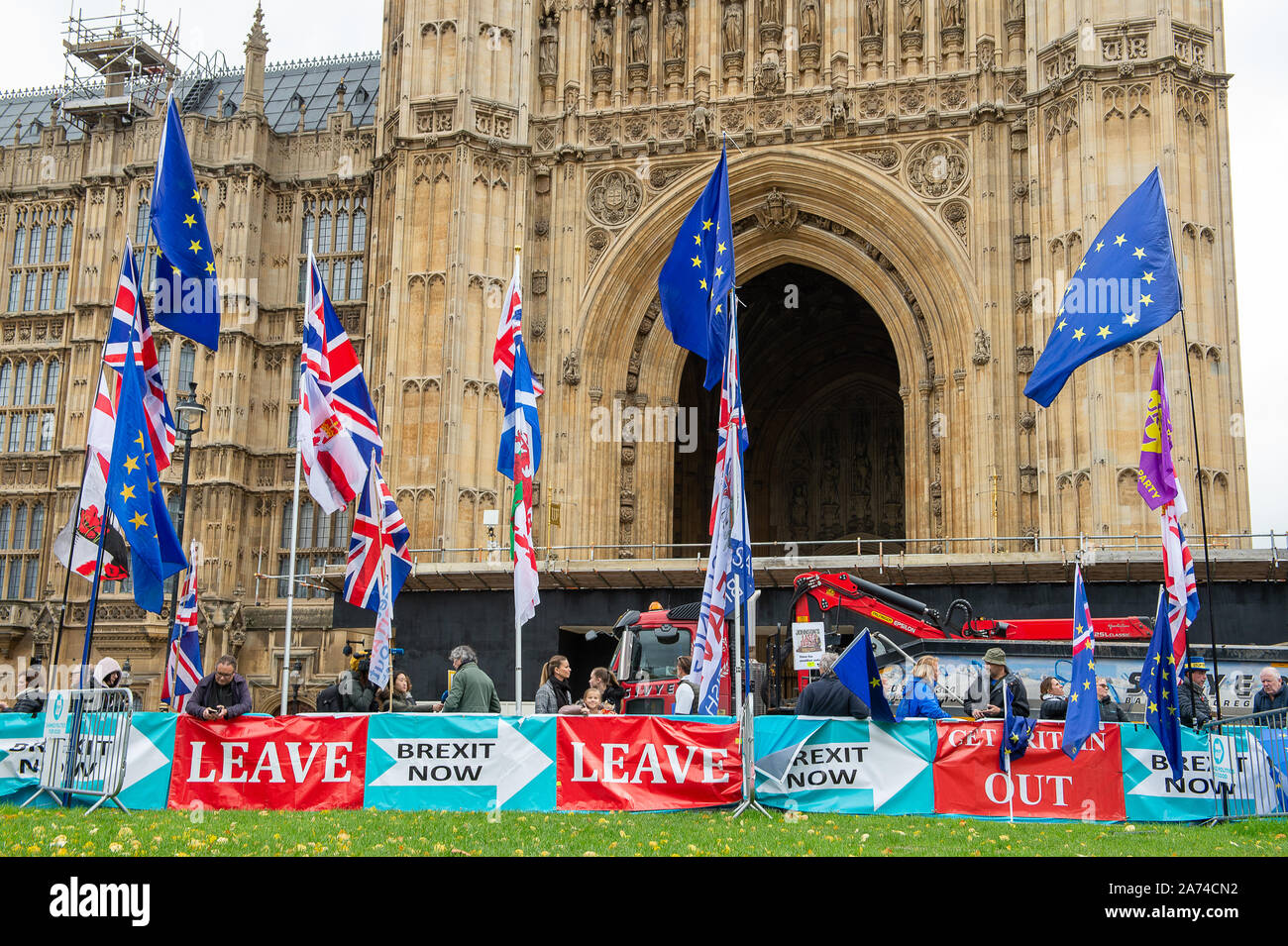
Internal party cohesion is a standard point of focus for any administration, particularly when navigating the complexities of post-Brexit governance. Political analysts note that the government’s ability to maintain its legislative momentum depends on balancing the diverse viewpoints within the parliamentary party. The Prime Minister has emphasized the need for unity as the government tackles the dual challenges of public sector reform and long-term economic stability.
Key Focus Areas for the Upcoming Session
- Economic Stability: Continued focus on the findings of the Treasury’s spending audit conducted in the summer of 2024.
- Legislative Reform: Progressing the Planning and Infrastructure Bill to accelerate housing and infrastructure delivery.
- Public Services: Addressing challenges within the National Health Service (NHS) and the ongoing discussions regarding workforce retention.
- International Relations: Maintaining the UK’s commitment to international alliances while navigating the post-Brexit regulatory framework.
The Role of the Opposition and Parliamentary Scrutiny
The return to Westminster also signals a resumption of formal opposition scrutiny. The Conservative Party, now in opposition, continues to challenge the government on its handling of the economy and its approach to border control and migration. Under the rules of the House of Commons, the government is required to defend its policy decisions in the chamber on a weekly basis, providing a platform for the official opposition to highlight perceived shortcomings.
Transparency and accountability remain central to the parliamentary process. The government has committed to regular updates regarding its performance against the key missions identified at the start of its tenure. For citizens and stakeholders, the official record of parliamentary proceedings, known as Hansard, provides a verbatim account of these debates and is the primary source for tracking government accountability.
Looking Ahead: Parliamentary Checkpoints
The immediate weeks ahead will be defined by the government’s response to urgent questions and the progression of the legislative schedule through both the House of Commons and the House of Lords. The next major fiscal checkpoint for the government will be the upcoming Budget, which the Chancellor of the Exchequer is expected to deliver later this year, as mandated by the Treasury’s reporting requirements.
As the political season intensifies, the World Today Journal will continue to provide updates on significant legislative developments and parliamentary activity. We encourage our readers to participate in the conversation by sharing their perspectives on the government’s progress and the key issues facing the nation today.