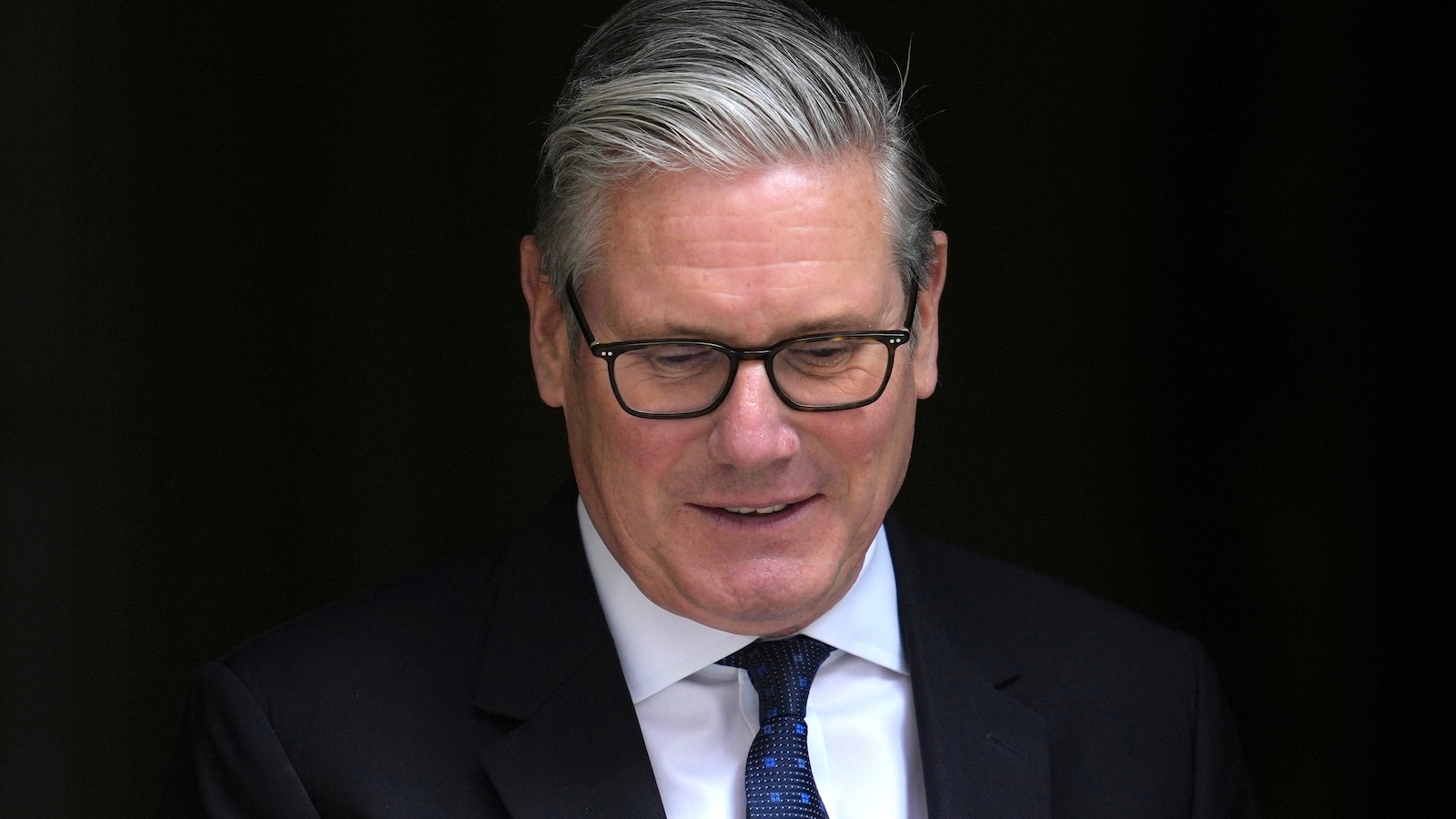
British Prime Minister Keir Starmer has publicly committed to remaining in office following the abrupt resignation of his Defense Secretary, a development that has intensified scrutiny of his government’s stability. The departure, which follows a period of mounting political pressure, has prompted questions regarding the cohesion of the current administration, according to official records from 10 Downing Street. Starmer, who took office in July 2024, is now facing a critical test of his leadership as his cabinet grapples with internal challenges.
The resignation of a senior minister is being viewed by political analysts as a significant blow to the Prime Minister’s authority, particularly as his administration seeks to implement its legislative agenda. While the government has emphasized its commitment to continuity, opposition members have called for greater transparency regarding the circumstances surrounding the cabinet vacancy. The Prime Minister’s office confirmed that a replacement process is underway, though no specific timeline for the appointment of a new Defense Secretary has been finalized, as reported by the BBC.
Political Implications of the Defense Secretary’s Resignation
The sudden exit of a key figure in the Ministry of Defence has raised concerns about the continuity of national security policy at a time of heightened global tension. According to Reuters, the vacancy comes as the United Kingdom navigates complex geopolitical commitments, including ongoing support for Ukraine and shifting defense priorities in the Indo-Pacific region. The loss of a minister responsible for oversight of the armed forces creates an immediate administrative burden for the Prime Minister.
Political observers note that the timing of the resignation complicates Starmer’s efforts to maintain party discipline. Within the context of the current parliamentary session, the government holds a significant majority, yet the departure of a high-ranking official provides an opening for critics to challenge the administration’s internal management. The Prime Minister has consistently rejected calls for a snap election or a broader cabinet reshuffle, framing the resignation as an isolated, albeit regrettable, incident.
Evaluating the Government’s Response to Internal Challenges
In response to the resignation, the Prime Minister’s communications team has focused on the government’s broader economic and social objectives. Starmer’s strategy appears to be one of “business as usual,” aimed at reassuring both domestic stakeholders and international partners that the machinery of government remains functional. Government statements have underscored that policy directives regarding defense spending and international alliances remain unchanged, as noted in the latest press briefings from the Cabinet Office.
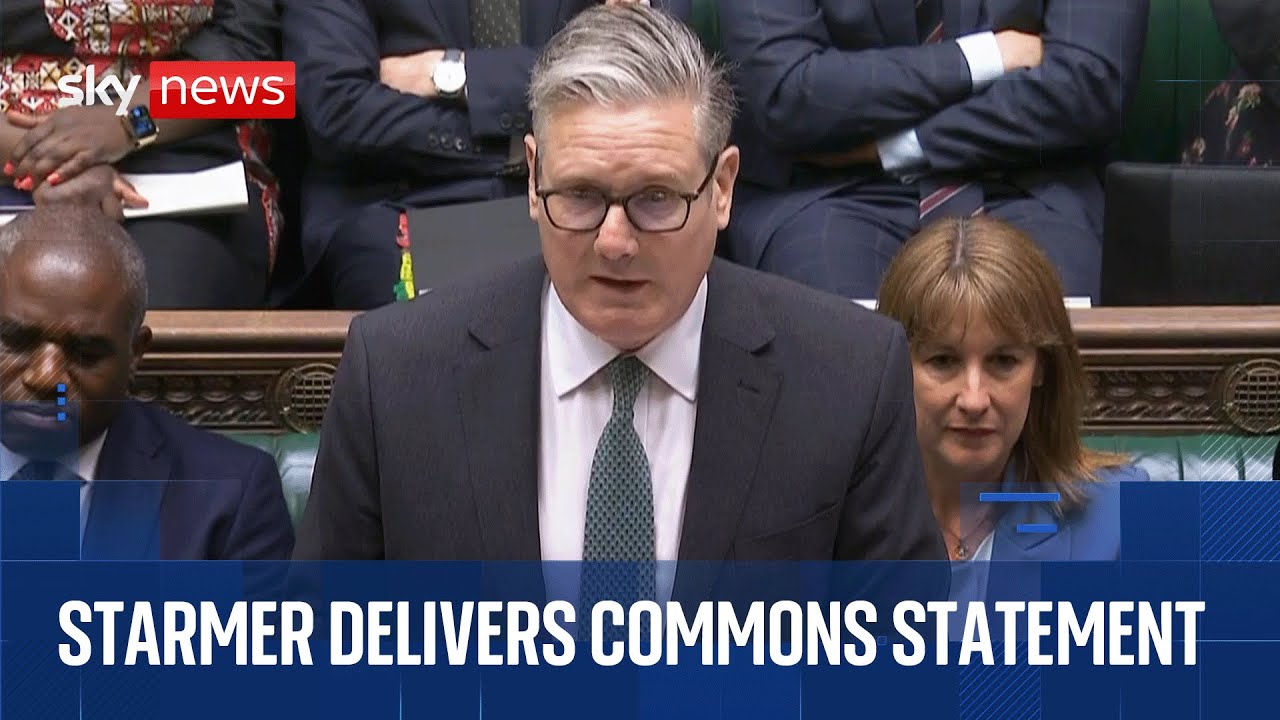
However, the narrative of stability is being challenged by persistent questions from the opposition benches. During recent Prime Minister’s Questions, Starmer faced inquiries regarding the vetting processes for cabinet-level appointments and the overall health of his ministerial team. The opposition has characterized the resignation as symptomatic of deeper systemic issues within the administration, a claim that the government has consistently denied, citing the successes of its recent legislative record on economic reform and public service investment.
What Happens Next for the Starmer Administration
The next major checkpoint for the government will be the formal announcement of a successor to the departing Defense Secretary. This appointment will serve as a bellwether for Starmer’s remaining political capital; a candidate perceived as a compromise figure may signal a shift toward internal consolidation, while a more ideologically aligned appointment could indicate a doubling down on the current administration’s trajectory. Official updates regarding government appointments are typically published on the UK Government portal.
As the administration moves forward, the focus will likely return to the upcoming budget cycle and the implementation of long-term infrastructure projects. Whether Starmer can effectively move past this period of instability depends on his ability to prevent further cabinet attrition and maintain the support of his parliamentary party. The resilience of his leadership will be further tested in the coming months as the government prepares for the next round of legislative debates. We invite our readers to share their perspectives on these developments in the comments section below, and to follow our ongoing coverage of global geopolitical shifts.
Worth a look