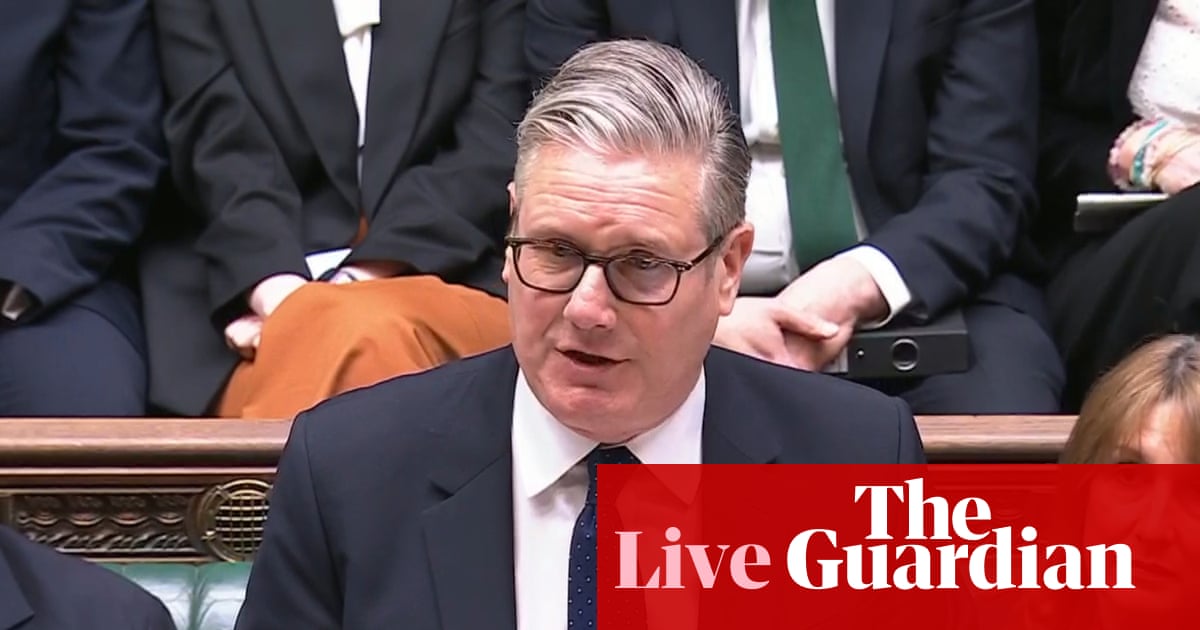
Prime Minister Sir Keir Starmer faced sharp questioning in the House of Commons on Monday after acknowledging he was not informed of critical security concerns that led to the failed vetting of Peter Mandelson’s nomination as UK ambassador to the United States. The admission came during a heated exchange with MPs, including Conservative leader Nigel Farage, who challenged Starmer’s judgment in appointing Mandelson despite known risks. The Prime Minister described the situation as “incredible” and conceded he had been wrong to proceed with the nomination, sparking renewed scrutiny over the government’s vetting procedures and transparency in high-level appointments.
The controversy centres on allegations that senior Whitehall officials had already raised red flags about Mandelson’s suitability for the role, particularly regarding his business ties to China and historical associations with Jeffrey Epstein, the convicted sex offender. According to multiple reports, including those from The Telegraph and The Independent, UK Security Vetting (UKSV) findings echoed concerns previously communicated to Starmer’s office. One senior source told The Telegraph that Starmer had “already been warned about the major risks and had waved them away,” a claim the Prime Minister did not directly deny but said he was not made aware of the full extent of the vetting outcome.
Starmer’s acknowledgment that he was not told the full story has intensified pressure on his leadership, particularly as Labour prepares for upcoming local elections on 1 May 2026. Whereas he maintains that he acted in good faith based on the information available to him at the time, critics argue that the failure to escalate known security concerns reflects either a breakdown in internal communication or a willingness to overlook risks for political convenience. The episode has reignited debates about the suitability of appointing former ministers and party figures to sensitive diplomatic posts, especially when their past associations raise national security questions.
Security Vetting Process and National Security Concerns
The UK Security Vetting (UKSV) process, administered by the Cabinet Office, is designed to assess individuals for roles involving access to sensitive government information or representing the UK abroad. For ambassadorial appointments, vetting typically examines financial interests, foreign contacts, past conduct, and any associations that could pose a risk to national security or create conflicts of interest. In Mandelson’s case, two primary areas of concern emerged during the vetting: his ongoing business engagements with Chinese-linked enterprises and historical links to Jeffrey Epstein, who died in custody in 2019 after being charged with sex trafficking offences.
While no evidence has surfaced suggesting Mandelson engaged in illegal activity related to Epstein, his name appeared in flight logs and social circles associated with the financier in the early 2000s, a fact that has periodically resurfaced in political discourse. MI6, which provides input on foreign intelligence risks, reportedly expressed concern that such associations could be exploited by hostile actors to compromise or blackmail the ambassador. Similarly, officials raised questions about whether Mandelson’s business interests in sectors such as finance and renewable energy—some involving Chinese partners—could create divided loyalties or expose him to undue influence.
These considerations are not unprecedented. Previous ambassadorial nominations have been withdrawn or delayed due to similar concerns, including the 2021 case of a Conservative donor whose appointment was halted over undisclosed ties to a Russian state-linked entity. The Joint Intelligence Committee (JIC) oversees cross-government assessments of such risks, though final decisions on appointments rest with the Prime Minister, who receives advice from the Cabinet Secretary and the National Security Adviser.
Starmer’s Response and Parliamentary Reaction
During his press conference following the Commons exchange, Starmer stated that he had accepted responsibility for the misjudgment in appointing Mandelson but insisted he had not been deliberately misled. “I find it incredible that I wasn’t told the full story,” he said, adding that he had since requested a review of how security concerns are communicated to the Prime Minister’s office. He acknowledged that, in hindsight, he should have pursued further clarification when initial reports emerged last September about Mandelson’s failed vetting.
The remarks drew audible reactions from MPs across the aisle. Conservative benches jeered as Starmer spoke, with Farage accusing him of “reckless complacency” and questioning whether the Prime Minister’s office had prioritised political loyalty over due diligence. Labour MPs largely defended Starmer, noting that he had taken responsibility promptly and that the episode highlighted systemic issues rather than personal misconduct. Yet, several backbenchers expressed private concern that the incident could erode public trust in Labour’s competence on governance and security matters.
Cabinet Office sources confirmed to BBC News that an internal review of the vetting communication chain has been initiated, led by the Permanent Secretary. The review aims to identify whether information was withheld, delayed, or inadequately escalated, and to recommend reforms to ensure future ambassadorial nominations undergo stricter scrutiny. No timeline has been given for the review’s completion, but officials said interim findings would be shared with the Prime Minister and the Intelligence and Security Committee of Parliament (ISC).
Mandelson’s Role and Political Legacy
Peter Mandelson, Baron Mandelson, is a former Labour MP, European Commissioner, and senior figure in the party’s modernisation under Tony Blair and Gordon Brown. He served as Secretary of State for Business, Innovation and Skills and First Secretary of State before retiring from frontline politics in 2010. Since then, he has worked as a global advisor and chairman of strategic advisory firm Global Counsel, advising governments and corporations on international trade, technology policy, and geopolitical risk.
His nomination as ambassador to the United States was seen by some as a recognition of his extensive transatlantic networks and experience in international diplomacy. Others viewed it as a politically charged move, given his continued influence within Labour circles and his reputation as a skilled negotiator. The appointment would have made him the first former Labour minister to hold the Washington post since Lord Henderson in the 1970s.
Following the veto of his nomination, Mandelson has not commented publicly on the vetting outcome. His office declined to provide details when contacted by The Guardian, citing confidentiality around security processes. However, allies have suggested he remains willing to serve in a diplomatic capacity if concerns can be addressed, though no alternative posting has been discussed.
Implications for Government Appointments and Security Protocols
The Mandelson episode has prompted broader questions about how the UK balances political patronage with national security in high-level appointments. While the Cabinet Office maintains that all ambassadorial nominees undergo rigorous vetting, critics argue that political considerations sometimes weigh too heavily in the final decision-making process. The Governance Code on Public Appointments, last updated in 2021, emphasizes merit, fairness, and transparency, but enforcement relies heavily on internal compliance rather than external oversight.
Security experts note that the UK’s vetting framework is among the most stringent in the Western world, particularly for roles involving access to classified information or representation abroad. However, they also warn that evolving risks—such as cyber espionage, illicit financial flows, and influence operations—require constant updates to vetting criteria. The Integrated Review of Security, Defence, Development and Foreign Policy, published in 2023, called for greater integration between diplomatic appointments and national security risk assessments, a recommendation that may gain renewed traction in light of this incident.
Transparency advocates have called for the publication of summary vetting outcomes for non-sensitive roles, arguing that greater openness would improve public confidence without compromising genuine secrets. The Cabinet Office has resisted such moves, citing the need to protect privacy and ongoing investigations, but has agreed to explore ways to provide more general assurances about the robustness of the process.
Next Steps and Official Timelines
The internal review of the Mandelson vetting process is expected to conclude by June 2026, with findings submitted to the Prime Minister and the Cabinet Office. The Intelligence and Security Committee of Parliament (ISC) has indicated it may hold a private session to examine the case, though no public hearing has been scheduled. Starmer has said he will await the review’s conclusions before determining whether any procedural changes are necessary.
In the meantime, the UK government has not named a successor for the Washington ambassadorship. The position remains vacant, with the Deputy Chief of Mission continuing to handle day-to-day affairs. The Foreign, Commonwealth & Development Office (FCDO) has stated that it will not rush the appointment and will ensure any future nominee undergoes “the most thorough possible scrutiny.”
As Labour approaches the 1 May local elections, the party is seeking to move past the controversy, focusing instead on cost-of-living concerns and NHS funding. However, the Mandelson affair remains a live issue in political commentary, with opponents likely to raise it during campaign events as a question of judgment and accountability.
For updates on the vetting review and ambassadorial appointments, readers can consult the official publications of the Cabinet Office (gov.uk/cabinet-office) and the Foreign, Commonwealth & Development Office (gov.uk/fcdo).
We invite readers to share their thoughts on this developing story in the comments below and to share this article if they found it informative. Your engagement helps us continue delivering in-depth, trustworthy coverage of UK politics and global affairs.