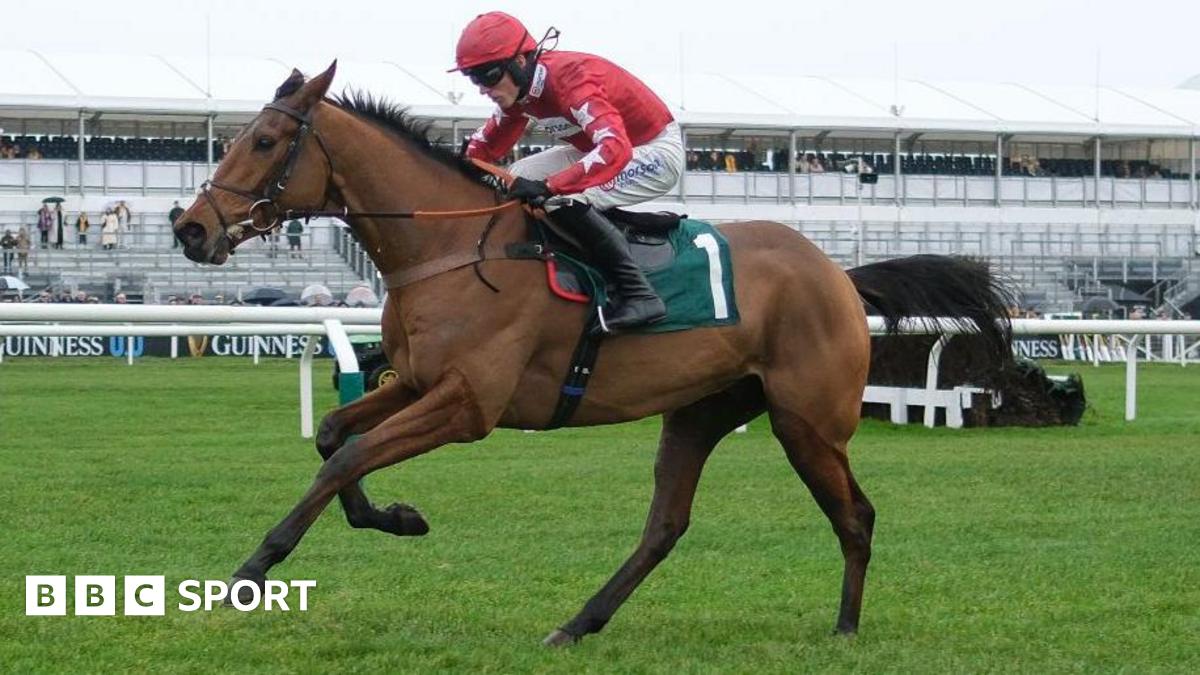
The world of horse racing experienced a somber moment on January 10, 2026, at Kempton Park, following the unfortunate injuries sustained by three horses during a fixture.Understanding racehorse safety is paramount, and recent events have prompted renewed focus on the well-being of these amazing athletes.It’s a topic that resonates deeply with those involved in the sport, and one that demands careful consideration and proactive measures.
Recent Incidents at Kempton park and the Response
Representatives from Kempton Park expressed profound sorrow regarding the incidents, emphasizing the dedication of the racing community to the care of all horses. They acknowledged the extensive, world-class care provided daily by the thousands of individuals working within the industry. This sentiment underscores a core value within horse racing: the health and welfare of the animals.
Condolences were extended to the owners, trainers, and all connections affected by these tragic losses. The British Horseracing Authority (BHA) swiftly announced a thorough investigation,initiating its established fatality review process to meticulously analyze each incident. details of the BHA’s response were published, outlining thier commitment to understanding the circumstances surrounding these events.
Initial findings, as reported by the BHA, suggest no single, unifying cause for the injuries.Each incident involved distinct injuries occurring under unique conditions, complicating the search for immediate preventative measures. This complexity highlights the multifaceted nature of risk within the sport.
Trainer reflections and Emotional Impact
Briton Nicholls shared his heartbreak over the loss of Kalif Du Berlais, a horse he described as “travelling beautifully” and possessing meaningful potential. He lamented the unrealized future of the Grade One winner, acknowledging the profound sadness felt by all involved. The loss of a promising athlete is always a difficult blow for those who dedicate their lives to their care and training.
Harry Derham, reflecting on the loss of Wertpol, expressed the deep emotional toll the day took on the racing community. His sentiments, shared on X, highlighted Wertpol’s vibrant personality and the pain inherent in a sport where risk is ever-present. He poignantly described it as “a day to forget,” a feeling shared by many within the industry.
did You Know? According to the British Horseracing Authority, the fatality rate in jump racing has decreased by 35% over the last 20 years, demonstrating ongoing efforts to improve safety standards.
Understanding the Risks in Horse Racing
Horse racing, while a celebrated sport, inherently involves risk. Factors contributing to injuries can range from track conditions and unforeseen events during a race to pre-existing conditions in the horse. It’s a complex interplay of variables that requires constant vigilance and proactive safety measures.
recent advancements in veterinary science and track maintenance have substantially improved horse safety. However,the unpredictable nature of athletic competition means that injuries can still occur. ongoing research and advancement are crucial to minimizing these risks further.
here’s a quick comparison of common injury types:
| Injury Type | Common Causes | Prevention strategies |
|---|---|---|
| Fractures | Stress fractures, impact injuries | Regular veterinary check-ups, appropriate training regimes |
| Ligament/Tendon Injuries | Overexertion, uneven ground | Careful conditioning, track maintenance |
| Joint Issues | Wear and tear, pre-existing conditions | Joint injections, controlled exercise |
Pro Tip: Always prioritize a horse’s physical and mental well-being. Recognizing early signs of fatigue or discomfort can prevent more serious injuries.
The Future of Racehorse Welfare
The recent events at Kempton Park serve as a stark reminder of the
Related reading