A federal appeals court has upheld an order requiring the John F. Kennedy Center for the Performing Arts to remove the name of former President Donald Trump from its facilities, maintaining a legal deadline for the branding’s removal. The decision solidifies a lower court ruling that the institution must comply with contractual obligations regarding the naming rights associated with the former president, according to filings reviewed by the New York Times.
The legal dispute centers on the long-standing agreement between the Kennedy Center and the Trump Organization, which previously held naming rights for specific areas within the performing arts complex. Following the conclusion of the legal proceedings, crews have begun preparations to strip the signage, with scaffolding recently erected at the site to facilitate the physical removal of the branding, as NBC4 Washington reported during their live coverage of the site.
The Kennedy Center, a premier cultural institution in Washington, D.C., has moved to rebrand the affected spaces, effectively ending the association with the former president’s name. This transition follows a series of judicial reviews that have consistently favored the removal, ensuring that the institution adheres to its internal governance and external contractual requirements, as noted by the Associated Press.
Legal Context and Judicial Rulings
The appellate court’s decision serves as the latest development in a protracted disagreement over the validity and duration of the naming rights contract. According to records from the CNN legal reporting team, the court found that the Kennedy Center was within its rights to proceed with the removal based on the expiration or breach of specific terms outlined in the original agreement. The ruling effectively denies the Trump Organization’s attempts to secure an injunction that would have kept the name in place while further appeals were considered.
This judicial stance highlights the complexities of institutional branding in public-private partnerships. The Kennedy Center, while a national monument and a government-affiliated organization, often relies on private donors and corporate partnerships to fund its operations. The removal of the Trump branding reflects a broader trend among major institutions reassessing their donor relationships and public-facing identities in the current political climate.
Operational Changes at the Kennedy Center
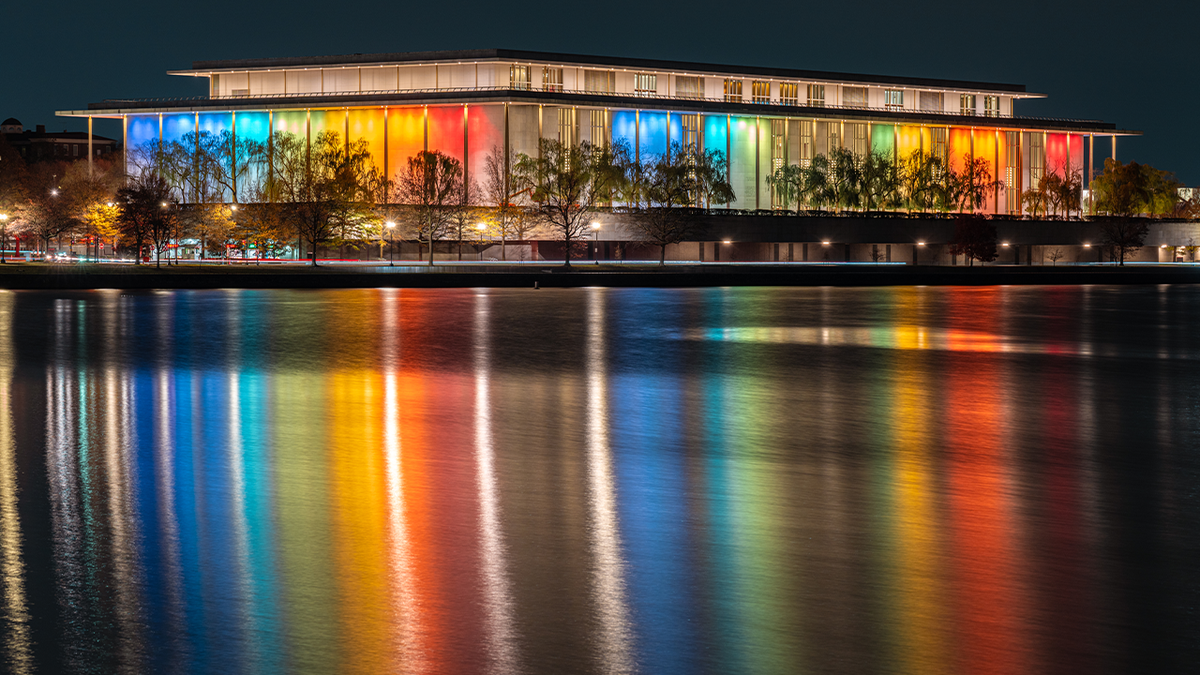
On-site, the physical transformation of the space has become visible to the public. Scaffolding now surrounds the areas where the lettering was once displayed, signaling that the removal process is imminent. This shift comes as the institution prepares for its upcoming season, including high-profile events like the Mark Twain Prize for American Humor, which frequently attracts significant media attention and large audiences to the venue.
The institution has not released a finalized timeline for the complete replacement of the signage, though observers note that the pace of the work suggests a desire to finalize the transition before the start of the autumn performance schedule. As reported by Axios, the Kennedy Center’s administration has maintained a policy of minimal public comment regarding the specific legal arguments, focusing instead on the operational necessity of complying with the court’s mandates.
Impact on Donor Relations and Branding
The removal of the Trump name carries implications for how non-profit and government-funded arts organizations manage their donor agreements. The case underscores the importance of clearly defined exit clauses and expiration dates in naming rights contracts. Legal experts often point to such disputes as cautionary tales for organizations that may struggle to balance historical donor recognition with shifting institutional priorities or public sentiment.
For the Trump Organization, the loss of the branding at the Kennedy Center marks another instance in which the former president’s name has been removed from prominent properties or institutions. While the organization has not issued a public statement addressing the specific appellate court ruling, previous filings indicate their intent to challenge the interpretation of the contract’s duration and scope.
What Comes Next
The next phase of this process involves the physical deconstruction of the signage and the potential for a final accounting of legal fees, should the court order such a penalty. The parties are expected to return to the district court for any remaining administrative filings related to the enforcement of the order. As of this report, no further hearings have been scheduled to contest the removal itself, effectively signaling the conclusion of the primary litigation.

Interested parties can monitor the U.S. District Court for the District of Columbia website for future docket updates and official court filings. As the situation develops, further reports on the physical progress of the removal are expected from local news outlets in the Washington, D.C. area.
Jonathan Reed is the News Editor at World Today Journal, based in London. With over 16 years of experience in international journalism, he specializes in reporting on legal developments and institutional governance. Please share your thoughts in the comments below or join the discussion on our social channels.