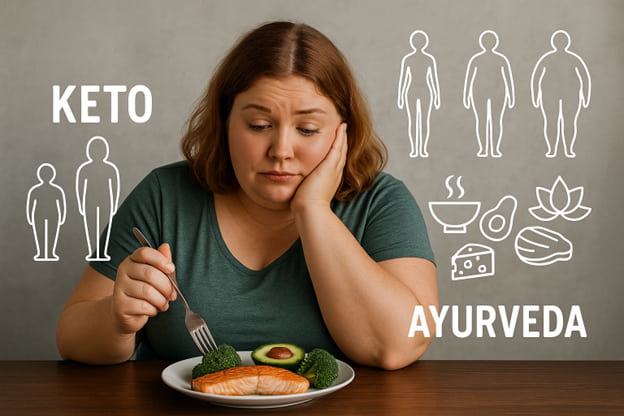
Decoding Keto: Why One Diet Doesn’t Fit All
Many people embark on the ketogenic diet with high hopes,only to find themselves frustrated by a lack of results or even unwanted side effects. You might be blaming willpower, hormones, or a sluggish metabolism. However, the real reason your keto journey might be stalling could be far more essential: the diet simply might not align with your unique metabolic blueprint.
For centuries, a holistic system of medicine has recognized this very principle. It’s time to move beyond the “one-size-fits-all” approach to nutrition and understand how personalization can unlock the true potential of keto.
The Core Principle: Understanding Your Metabolic Constitution
Ayurveda,a 5,000-year-old system of healing,emphasizes that each individual possesses a unique metabolic constitution. This constitution,determined at birth,influences how you digest food,process nutrients,and respond to different dietary approaches. Ignoring this inherent individuality is a common reason diets fail.
Let’s explore how keto interacts with different metabolic types, and what adjustments you can make for optimal success.
Keto & The Doshas: A Personalized Approach
Ayurveda categorizes metabolic constitutions into three primary types, known as doshas: Vata, Pitta, and Kapha. Understanding your dominant dosha is key to tailoring keto to your specific needs.
If Your Vata (Light build, prone to dryness, variable digestion):
Focus on this:
* Prioritize healthy fats like avocado oil and ghee.
* Include warming, grounding spices like cinnamon and ginger.
* Ensure adequate protein intake to support tissue building.
* Consume root vegetables for sustained energy.
* Maintain a regular, consistent eating schedule.
Avoid this:
* Excessive raw vegetables, which can be cooling and depleting.
* Highly processed keto foods with artificial ingredients.
* Cold, dry foods and beverages.
* overly restrictive calorie intake.
* Skipping meals or irregular eating patterns.
Keto can be beneficial for vata, but requires careful attention to nourishment and grounding.
If You’re Pitta (Medium build,strong digestion,prone to inflammation):
Do this:
* Emphasize cooling foods like cucumber and leafy greens.
* Incorporate moderate amounts of healthy fats, focusing on coconut oil.
* Choose lean proteins like fish and chicken.
* Utilize sweet, bitter, and astringent tastes to balance Pitta.
* Prioritize mindful eating in a calm environment.
Avoid this:
* spicy foods and excessive heat.
* Red meat and fermented foods in large quantities.
* Overheating during exercise, especially in hot weather.
* Aggressive or overly stimulating activities.
* excessive salt intake.
Keto can work well for Pitta, provided heat and inflammation are carefully managed.
If You’re Kapha (Sturdy build, gains weight easily, slower digestion):
Do this:
* Focus on lean proteins and minimize overall oil intake.
* Incorporate warming spices like black pepper and cayenne.
* Prioritize a high intake of non-starchy vegetables.
* Engage in regular physical activity, especially after meals.
* Favor light, dry, and warm foods.
Avoid this:
* High-fat foods, including cheese, cream, and butter.
* Heavy, oily, and sweet foods.
* Red meat-heavy keto plans.
* cold foods and beverages.
* A sedentary lifestyle while following keto.
Keto is often less effective and can even be counterproductive for Kapha individuals.
A Critical Clinical Observation
When diets fail, the common narrative frequently enough points to a lack of willpower, hormonal imbalances, or a faulty metabolism. However, Ayurveda offers a different perspective.
The diet itself may simply be mismatched to your individual metabolic constitution. Keto isn’t inherently good or bad;
Related reading