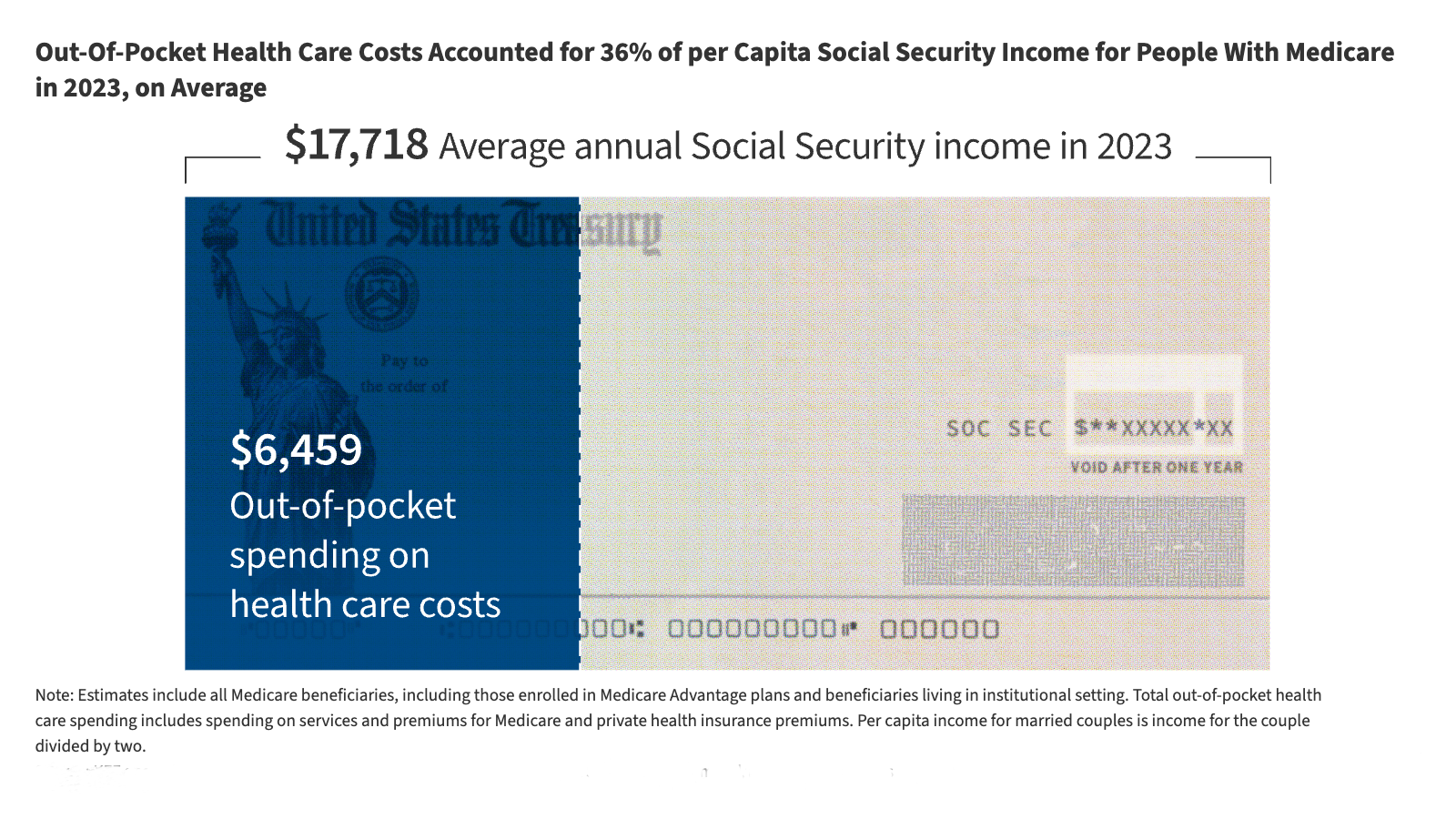
For millions of Americans, Medicare serves as a critical pillar of health security. Yet, beneath the surface of this federal safety net lies a complex reality regarding the financial burden of medical care. Understanding the key facts about health care affordability for people with Medicare is essential, as beneficiaries—ranging from older adults to younger individuals living with long-term disabilities—frequently navigate high out-of-pocket costs that can strain household budgets.
As we examine the landscape of Medicare coverage, it becomes clear that “affordability” is not a static metric. It’s influenced by a confluence of factors, including chronic health conditions, the necessity of prescription medications, and the specific structure of one’s supplemental coverage. According to data from the Kaiser Family Foundation (KFF), a significant portion of Medicare beneficiaries report challenges in paying for health care, particularly when faced with high deductibles or premiums that consume a substantial share of their fixed incomes.
The Financial Burden of Chronic Care
The primary driver of health care spending among the Medicare population is the management of chronic conditions. Many beneficiaries require ongoing treatment for ailments such as diabetes, heart disease, or arthritis, which necessitates frequent physician visits and regular pharmaceutical interventions. Even with Medicare Part B and Part D coverage, the cost-sharing requirements—such as coinsurance and copayments—can escalate quickly.

For those living with multiple comorbidities, these costs are often compounded. Research indicates that beneficiaries with higher health needs often face a “cost-burden” threshold, where their total health spending exceeds 10% of their annual income. This financial pressure is particularly acute for individuals who lack supplemental coverage, such as Medigap or employer-sponsored retiree plans, leaving them exposed to the full weight of Medicare’s cost-sharing provisions.
Younger Adults with Disabilities and Medicare
A frequently overlooked segment of the Medicare demographic includes younger adults who qualify for the program due to long-term disabilities. Unlike the traditional 65-and-older cohort, these individuals often face unique economic hurdles. Many may have limited work histories or restricted earning capacities, making the standard premiums and out-of-pocket costs for Medicare significantly more burdensome relative to their total financial resources.
The Centers for Medicare & Medicaid Services (CMS) emphasizes that coordination of care between Medicare and Medicaid—often referred to as “dual eligibility”—is a vital mechanism for mitigating these costs. For dual-eligible individuals, Medicaid functions as a secondary payer, covering many of the gaps left by Medicare. However, navigating the intersection of these two complex programs remains a significant administrative and financial challenge for many patients and their caregivers.
Strategies for Managing Out-of-Pocket Costs
Improving health care affordability requires a multifaceted approach, starting with informed decision-making during the annual Medicare Open Enrollment period. Beneficiaries are encouraged to review their coverage options annually to ensure their specific prescription drugs and preferred providers are covered under their current plan. Utilizing the official Medicare.gov portal allows individuals to compare plans based on their specific health needs and budget constraints.

Key Takeaways for Beneficiaries
- Review Coverage Annually: Plans change every year; what was affordable last year may not be the most cost-effective option this year.
- Assess Supplemental Needs: Evaluate whether a Medicare Advantage plan or a standalone Medigap policy provides better protection against high out-of-pocket expenses.
- Check Eligibility for Assistance: Many low-income beneficiaries may qualify for the Medicare Savings Program or Extra Help for prescription drug costs, which can significantly reduce financial strain.
- Prioritize Preventive Care: Medicare covers many preventive screenings at no additional cost; staying on top of these can prevent more expensive health crises down the road.
Looking Toward Policy Developments
The conversation regarding Medicare affordability is increasingly focused on policy innovation, particularly regarding drug pricing. The implementation of provisions under the Inflation Reduction Act, which introduced caps on out-of-pocket prescription drug costs for Medicare Part D enrollees, marks a significant shift in how the federal government approaches affordability. These measures are designed to provide a predictable financial landscape for beneficiaries, though the long-term impact on overall premium stability remains a subject of ongoing analysis by healthcare economists.
As we move forward, the focus will likely remain on enhancing price transparency and ensuring that the most vulnerable populations—including those with disabilities and chronic illnesses—have the support necessary to access care without facing undue financial hardship. For updates on legislative changes or new assistance programs, beneficiaries should monitor official communications from the Social Security Administration and CMS. We invite our readers to share their experiences with navigating Medicare costs in the comments section below, as we continue to track these essential developments in public health policy.
Worth a look