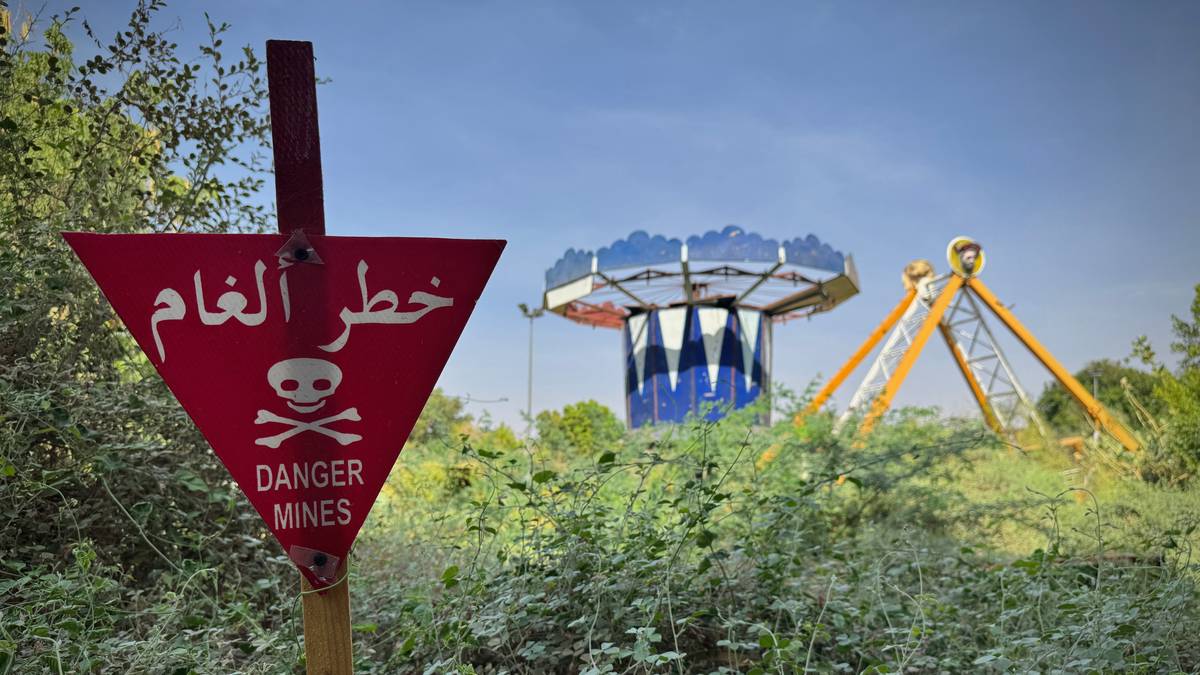
The conflict in Sudan has transformed civilian sanctuaries in Khartoum, including public parks and residential neighborhoods, into active combat zones and sites of mass casualties. As the Rapid Support Forces (RSF) and the Sudanese Armed Forces (SAF) continue their battle for control, these former community spaces are being cleared of debris, military fortifications, and the remains of those killed during intense urban fighting.
The shift from civilian use to military occupation has turned once-safe recreational areas into high-risk zones. According to reports from human rights organizations and international observers, the RSF has frequently utilized residential blocks and public greenery to establish sniper positions and command centers, while the SAF has responded with heavy artillery and airstrikes that often strike these densely populated sectors.
How urban warfare is reshaping Khartoum’s civilian spaces
The landscape of Khartoum, once characterized by its Nile-side parks and sprawling residential districts, has undergone a violent transformation since the conflict began in April 2023. Urban warfare, which relies on the use of buildings and streets for cover, has effectively turned the city’s infrastructure against its inhabitants. The Rapid Support Forces, led by Mohamed Hamdan Dagalo, also known as Hemedti, have been documented occupying private homes and public spaces to shield themselves from SAF aerial bombardments.
This tactical approach has stripped civilians of their most basic sense of security. Public parks, which previously served as gathering points for families, have frequently become sites of intense skirmishes. In several instances, these open spaces have been repurposed as makeshift trenches or locations for temporary military outposts. The presence of combatants in these areas significantly increases the risk to the remaining civilian population, as any movement in these zones can be mistaken for military activity.
The destruction is not limited to the physical structures but extends to the very fabric of community life. The loss of these spaces means the disappearance of the few remaining areas where social cohesion could be maintained. As neighborhoods are carved into various zones of control, the city is becoming a fragmented collection of fortified enclaves rather than a functioning metropolitan center.
The humanitarian cost of fighting in residential districts
The human toll of the fighting in Khartoum’s residential areas is immense, though exact figures remain difficult to verify due to the breakdown of communication networks and the lack of access for independent monitors. However, humanitarian agencies have warned that the concentration of violence in civilian-dense areas has led to a staggering number of casualties. The use of heavy weaponry in narrow streets and residential blocks has resulted in significant collateral damage, killing not only combatants but also non-combatants caught in the crossfire.
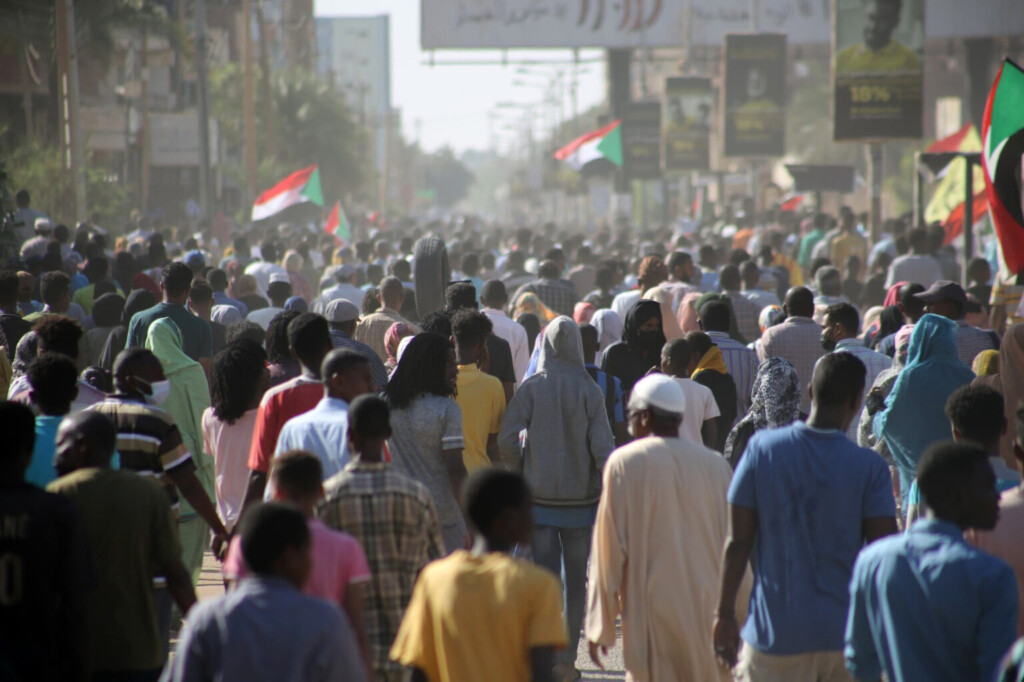
Beyond the immediate fatalities, the occupation of residential areas has triggered a massive displacement crisis. Millions of Sudanese have been forced to flee Khartoum, often leaving behind their homes, livelihoods, and personal belongings with little notice. For those who remain, the reality is a struggle for survival amidst crumbling infrastructure. The disruption of water, electricity, and sanitation services in these occupied sectors has created a secondary health crisis, with the risk of waterborne diseases increasing as sewage systems fail.
Human rights groups have raised alarms regarding the treatment of civilians in areas under RSF control. Reports have surfaced of looting, arbitrary detentions, and the use of civilian homes as shields. These actions have compounded the trauma of the war, as the places intended for rest and safety have become sources of profound fear. The “deadly” nature of these spaces, as described by local residents and observers, reflects a reality where the distinction between the battlefield and the home has effectively vanished.
Efforts to reclaim and clear civilian infrastructure
In certain sectors where the Sudanese Armed Forces have managed to regain ground, the process of “clearing” begins. This is a complex and dangerous task that involves more than just removing military presence. It requires the removal of unexploded ordnance, the clearing of heavy rubble from streets, and the identification and recovery of deceased individuals who were killed during the occupation.
The clearing of these areas is often a slow and hazardous process. Combatants may leave behind booby traps or unexploded shells that pose a continuous threat to those attempting to return to their homes. Furthermore, the sheer volume of debris in areas where buildings have been leveled by airstrikes or heavy shelling makes the restoration of basic services, such as road access and electricity, an immense logistical challenge. For many neighborhoods, the “clearing” is a preliminary step in a much longer and more uncertain recovery process.
Local community initiatives and small groups of volunteers have occasionally attempted to assist in these efforts, but they lack the heavy machinery and security required for large-scale urban recovery. The official capacity for such work is severely hampered by the ongoing instability and the lack of funding for municipal services. As a result, many parts of Khartoum remain in a state of suspended animation, caught between military control and total abandonment.
Why the destruction of public spaces matters long-term
The systematic destruction of Khartoum’s public and residential infrastructure carries consequences that will last for decades. Urban spaces like parks and community centers are essential for the psychological and social recovery of a population following a conflict. When these spaces are destroyed or turned into sites of death, the collective memory of the city is fundamentally altered.
The loss of these areas also complicates future reconstruction efforts. The cost of rebuilding a city where the very layout has been altered by war—where parks are now graveyards and homes are now ruins—is significantly higher than repairing traditional damage. There is also the issue of “urban scarring,” where the physical remnants of the war serve as permanent reminders of the violence, potentially hindering the return of social normalcy and investment in the region.
Furthermore, the degradation of urban infrastructure contributes to a long-term decline in public health and environmental stability. The collapse of waste management and the destruction of green spaces can lead to increased temperatures in urban heat islands and the spread of disease, creating a cycle of hardship that persists long after the guns fall silent. The reclamation of Khartoum will require not just the removal of soldiers, but a massive, coordinated effort to rebuild the social and physical foundations of the city.
Key Information: The Khartoum Conflict
- Primary Combatants: Sudanese Armed Forces (SAF) led by Abdel Fattah al-Burhan vs. Rapid Support Forces (RSF) led by Mohamed Hamdan Dagalo.
- Main Conflict Driver: A power struggle between the military and the paramilitary RSF over control of the state.
- Impacted Areas: High concentration of fighting in Khartoum, Omdurman, and Bahri.
- Humanitarian Status: Massive displacement, widespread famine risk, and collapse of essential services.
- Tactical Trend: Increasing use of residential and civilian infrastructure for urban combat.
The situation in Khartoum continues to evolve rapidly as both sides seek strategic advantages in the capital. The next critical period will involve monitoring the impact of potential new offensives on the remaining civilian-populated sectors and assessing the ability of humanitarian agencies to penetrate contested zones with life-saving supplies.
Please share this report and join the conversation in the comments below. How can the international community better support the protection of civilian spaces in active conflict zones?
Worth a look