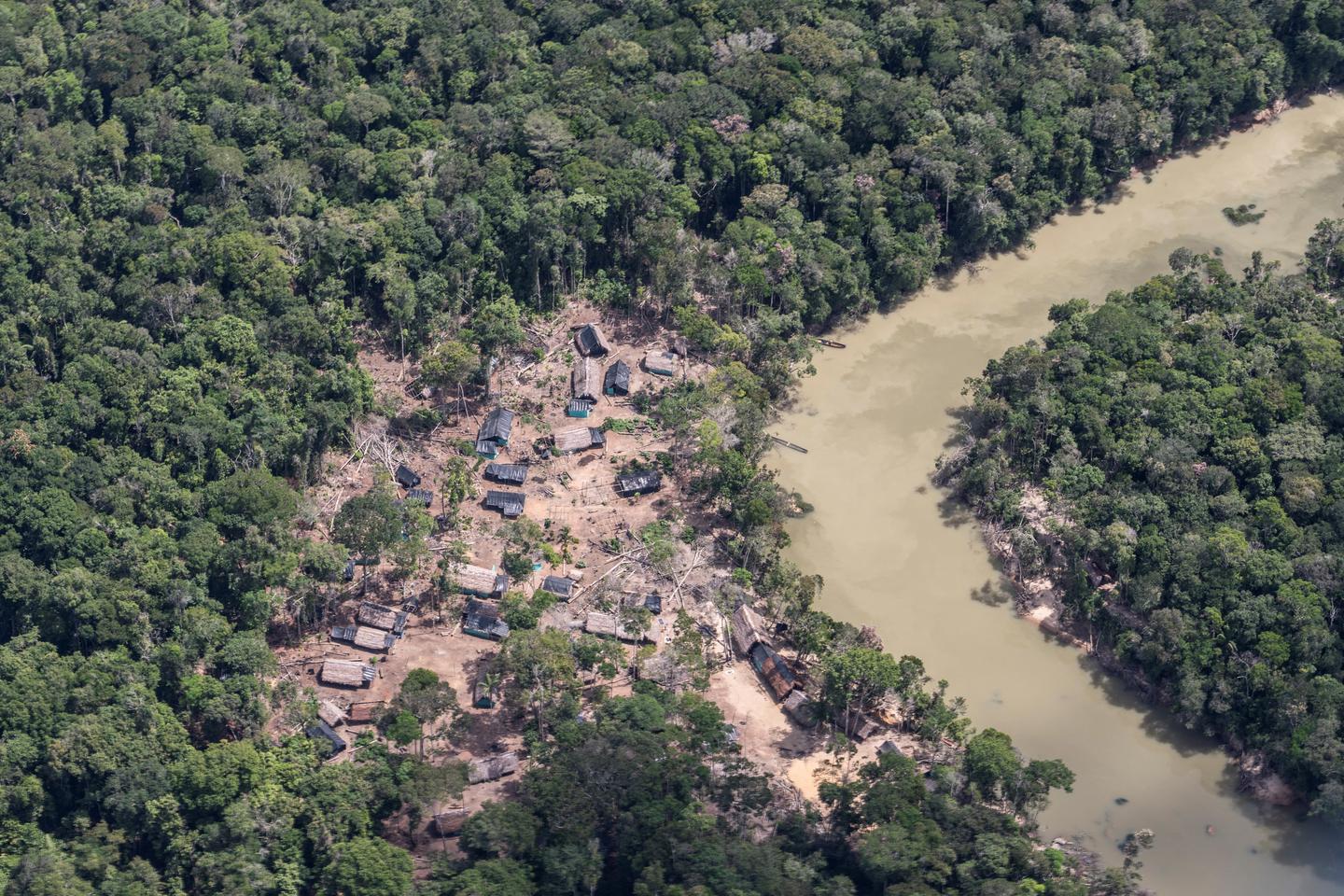
The reported death of an indigenous leader in southern Venezuela highlights ongoing security crises in mineral-rich border regions, according to human rights organizations monitoring the area. Julio Rodriguez, who served as the indigenous captain of the Jivi Ekunay people, was found dead following an eight-day disappearance after armed actors abducted him from a mining locality near the Colombian frontier on August 2. Local advocacy groups have confirmed the fatality and are demanding immediate government investigations into the security breakdown.
The incident underscores deep structural threats facing traditional communities residing across Venezuela’s resource-heavy territories. Human rights monitors emphasize that criminal factions and armed rebel groups frequently contest control over remote lands containing valuable subterranean deposits, leaving native populations vulnerable to violence.
Abduction and Confirmation by Human Rights Monitors
According to the Venezuelan human rights organization Provea, Julio Rodriguez was held in a state of forced disappearance for 8 days following his initial abduction. The organization noted that the captain was seized by suspected members of dissident factions originating from the Revolutionary Armed Forces of Colombia (FARC).
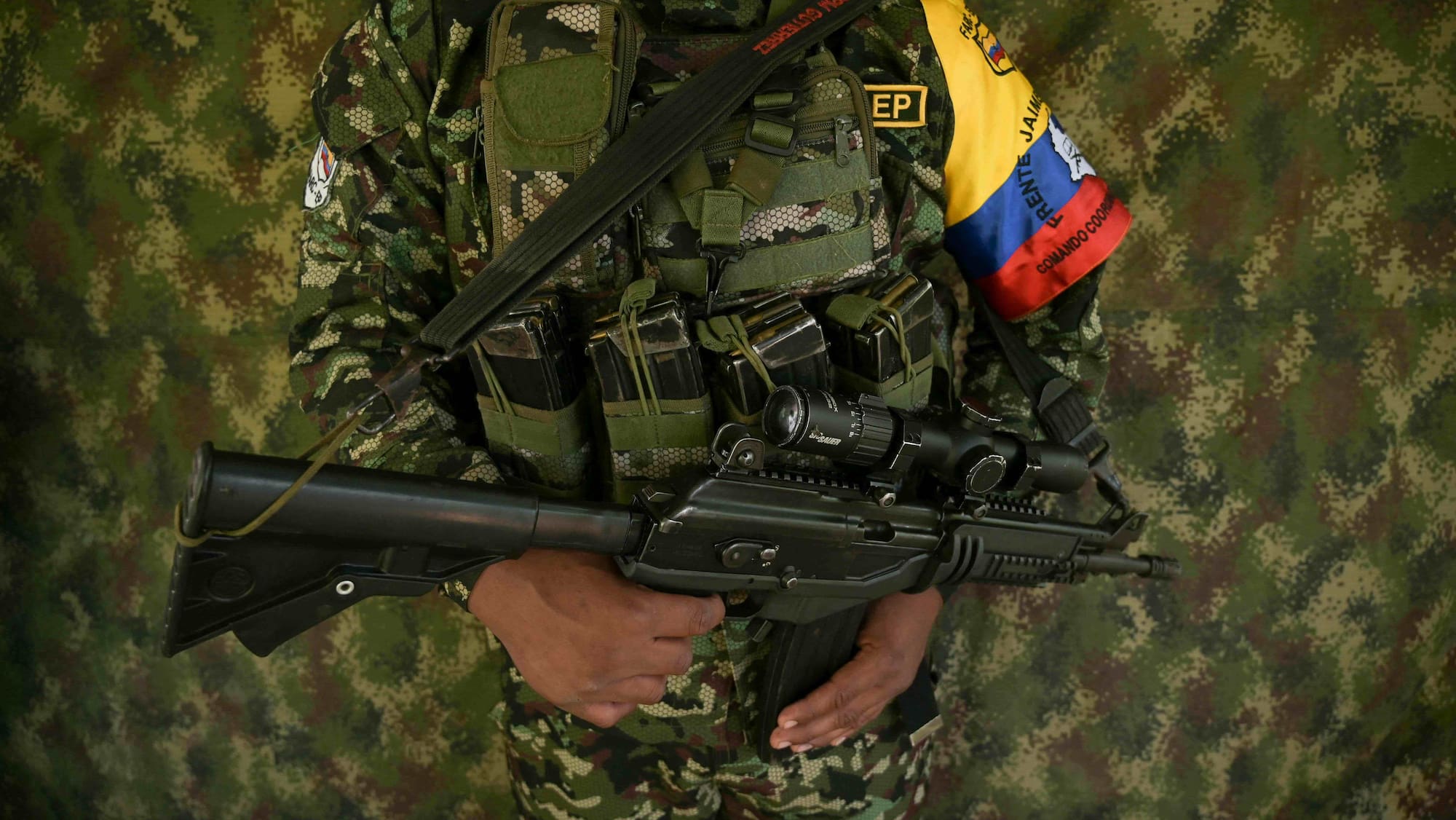
In statements released following the discovery of his body, Provea formally demanded swift judicial inquiries and accountability for the perpetrators. The NGO also urged authorities to implement urgent protection measures to safeguard the lives of vulnerable indigenous groups and secure their traditional homelands against external incursions.
Control of Mining Zones and Armed Groups
The region where the kidnapping and subsequent killing occurred sits within the broader Orinoco Mining Arc, a zone encompassing substantial mineral wealth. Venezuela’s indigenous territories overlap significantly with lands containing deposits of gold, diamonds, bauxite, coltan, rare earth elements, and vast petroleum reserves.
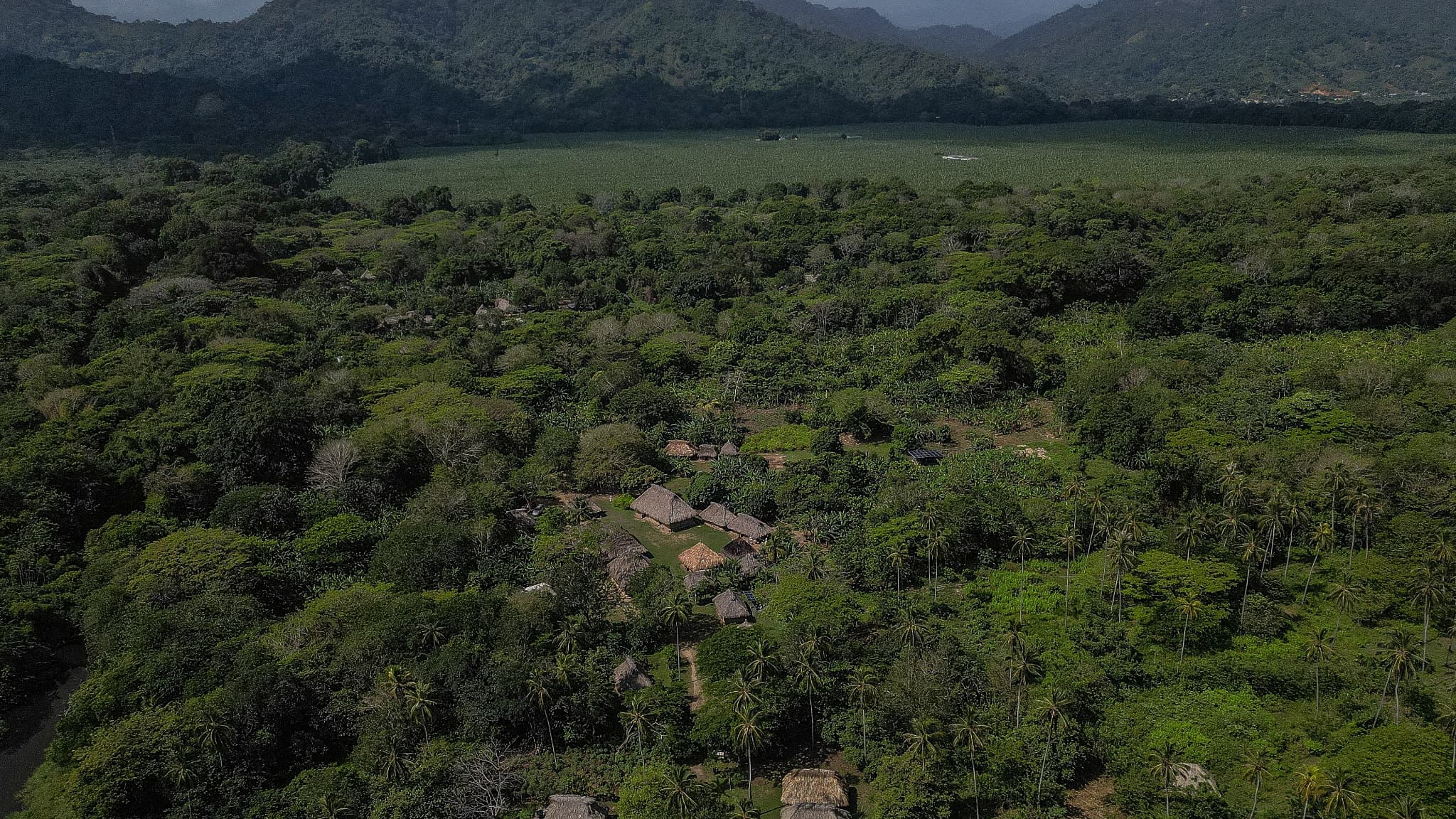
Independent reporting and documentation from groups such as Provea indicate that Colombian guerrilla organizations, including the National Liberation Army (ELN) and FARC dissident cells, maintain operational control over extensive sectors within these isolated mining hubs. Observers note that these armed elements frequently operate in remote border territories with the acquiescence of local security forces, complicating state efforts to establish law and order.
Historical Context of Violence Against Native Peoples
The killing of Captain Rodriguez is part of a broader pattern of violence targeting indigenous populations in Venezuela over the past decade and a half. Documented records from human rights monitors show that more than 48 indigenous individuals belonging to communities such as the Pemon, Warao, Jivi, Yanomami, Piaroa, and Wayúu have been killed since 2010.
These casualties stem from overlapping conflicts driven by state security operations and non-state armed actors competing for dominance over militarized territories.
Next Steps and Official Response
Readers with information or seeking updates on indigenous rights protections in Venezuela can follow ongoing documentation via major international human rights monitors and legal aid networks.