
As a physician, I frequently emphasize that the kidneys are the silent workhorses of our internal systems. Often, patients do not realize their renal function is declining until they reach advanced stages of chronic kidney disease (CKD). Understanding the daily habits that place unnecessary strain on these vital organs is a critical step in long-term health management. While many people focus on hydration, maintaining kidney health involves a broader approach to lifestyle, diet, and proactive screening.
The kidneys perform complex tasks, including filtering waste products from the blood, regulating fluid balance, and managing blood pressure. When these functions are compromised, the body struggles to maintain homeostasis. In many clinical settings, we see individuals who have lived with declining renal function for years without experiencing obvious symptoms. This is why awareness of specific behavioral risks is essential for early prevention.
Understanding Kidney Function and the Risk of Silent Decline
Chronic kidney disease is often described as a “silent” condition because it frequently progresses without noticeable pain or discomfort in its early phases. According to the National Kidney Foundation, millions of adults are living with kidney disease and most are unaware of it. This lack of symptoms makes regular medical check-ups vital, especially for those with underlying conditions like hypertension or diabetes, which are leading causes of renal failure.
When kidneys are damaged, they may not filter blood as efficiently as they should. Over time, this leads to the accumulation of waste products in the body. If you are concerned about your renal health, the first step is to consult a primary care provider. In Alberta, residents can utilize resources such as Alberta Find a Provider to locate clinics or family physicians who can assist in monitoring kidney function through routine blood and urine tests.
Lifestyle Factors That Impact Renal Health
While holding urine for extended periods is a commonly cited concern, it is only one piece of a larger puzzle. Renal health is deeply influenced by systemic habits that affect the entire cardiovascular system. High sodium intake, for example, forces the kidneys to work harder to balance fluids, which can elevate blood pressure and eventually damage the delicate filtration units within the kidneys, known as nephrons.
Furthermore, the overuse of certain over-the-counter medications, particularly nonsteroidal anti-inflammatory drugs (NSAIDs) like ibuprofen or naproxen, can be nephrotoxic if taken in excess or over a long duration. According to the Mayo Clinic, consistent use of these medications can reduce blood flow to the kidneys, potentially leading to acute or chronic injury. It is always recommended to discuss any long-term medication use with a healthcare professional to ensure it is appropriate for your specific health profile.
The Importance of Proactive Screening
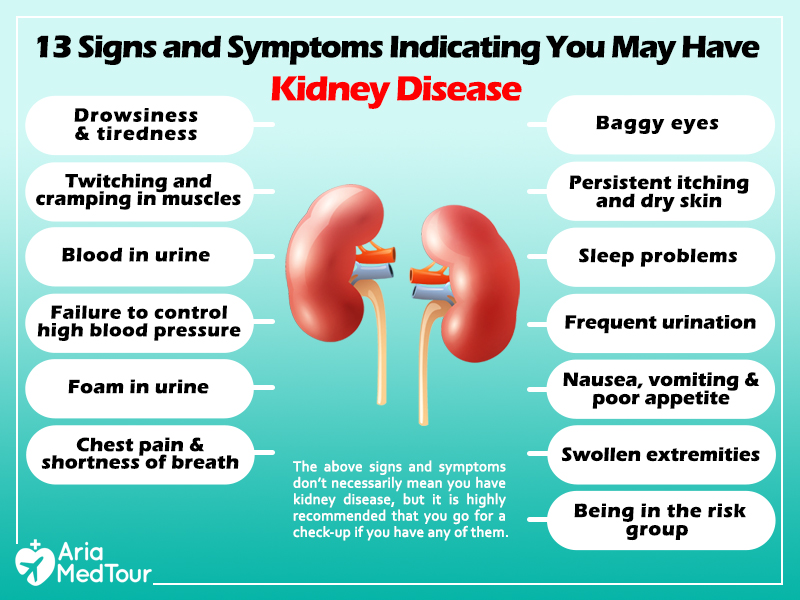
Early detection is the most effective tool we have to slow the progression of kidney disease. Because symptoms such as fatigue, swelling, or changes in urinary patterns often appear only after significant damage has occurred, screening is essential for high-risk groups. This includes individuals with a family history of kidney disease, those over the age of 60, and people with obesity.
If you are unsure where to begin, reaching out to a healthcare professional is the best course of action. In Canada, Alberta Health Services provides guidance on finding a family doctor or nurse practitioner who can help you manage your health needs. Establishing a continuous relationship with a primary care team allows for the early identification of biomarkers, such as albumin in the urine or an elevated creatinine level, which can signal that the kidneys are under stress.
Practical Steps for a Healthier Future
Protecting your kidneys does not require drastic measures, but it does require consistency. Focusing on a balanced diet rich in whole foods, staying adequately hydrated, and maintaining a healthy weight can significantly reduce the workload on your renal system. Avoiding smoking and limiting alcohol intake are also fundamental recommendations that improve overall vascular health, which directly benefits the kidneys.
If you have questions about your specific risk factors, do not wait for symptoms to manifest. Contact your primary care provider to discuss a screening plan tailored to your health history. The next official update regarding public health guidelines for renal screening in many regions typically follows the release of annual health reports from national kidney foundations. In the meantime, I encourage you to share your experiences or questions regarding kidney health in the comments section below.