
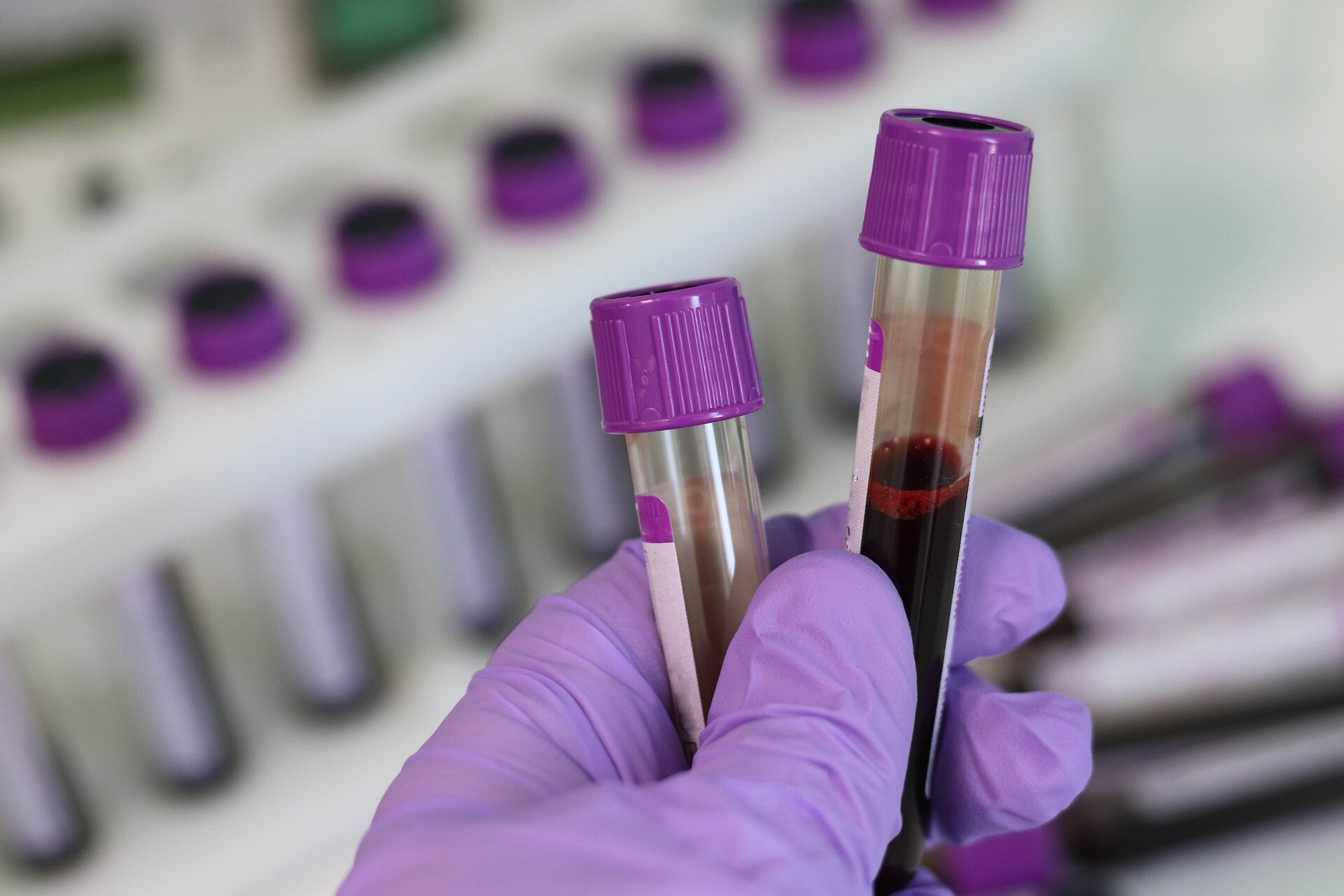
Should children be genetically screened for predispositions to high cholesterol? This is a complex question that’s gaining traction as our understanding of preventative healthcare evolves. Increasingly, experts are weighing the potential benefits against the costs and ethical considerations of widespread genetic testing in young people.
traditionally, cholesterol screening begins in childhood, typically around age 9-11, and again during adolescence. However, these tests onyl reveal current cholesterol levels, not your child’s inherent risk. Genetic testing, on the other hand, can identify variations in genes like LDLR, APOB, and PCSK9 that significantly increase the likelihood of developing familial hypercholesterolemia (FH) – a condition causing dangerously high cholesterol levels from a young age.
here’s a breakdown of the key considerations:
* Early Identification: Genetic screening allows for the identification of children at risk before they develop noticeable health problems. This proactive approach could enable earlier intervention with lifestyle changes and, if necessary, medication.
* Targeted Intervention: Not every child with a genetic predisposition will develop high cholesterol. Screening helps pinpoint those who truly need closer monitoring and potentially treatment, avoiding unnecessary interventions for others.
* Family Implications: Identifying a genetic mutation in a child can have implications for the entire family. Other relatives could also be carriers or affected, prompting cascade screening to identify and manage risk across generations.
* Psychological Impact: Receiving a diagnosis of a genetic predisposition to a chronic condition can be stressful for both children and parents. Careful counseling and support are crucial.
* Cost and Accessibility: Genetic testing isn’t inexpensive, and access may be limited depending on insurance coverage and geographic location.
* Ethical Concerns: Questions arise about the potential for genetic discrimination and the psychological burden of knowing one’s predisposition to a disease.
I’ve found that the biggest challenge lies in interpreting the results. A positive genetic test doesn’t guarantee a child will develop high cholesterol, only that their risk is elevated. Therefore, results must be carefully contextualized with family history, lifestyle factors, and ongoing monitoring.
What does effective intervention look like? It often starts with dietary modifications – reducing saturated and trans fats,increasing fiber intake,and promoting a healthy weight.Regular physical activity is also essential. In certain specific cases, medication might potentially be necessary, particularly if cholesterol levels remain high despite lifestyle changes.
Furthermore, consider the evolving landscape of preventative medicine. As genetic testing becomes more affordable and accessible, it’s likely to play an increasingly important role in personalized healthcare. Though, it’s vital to approach this technology responsibly, with a focus on informed consent, genetic counseling, and equitable access.





