
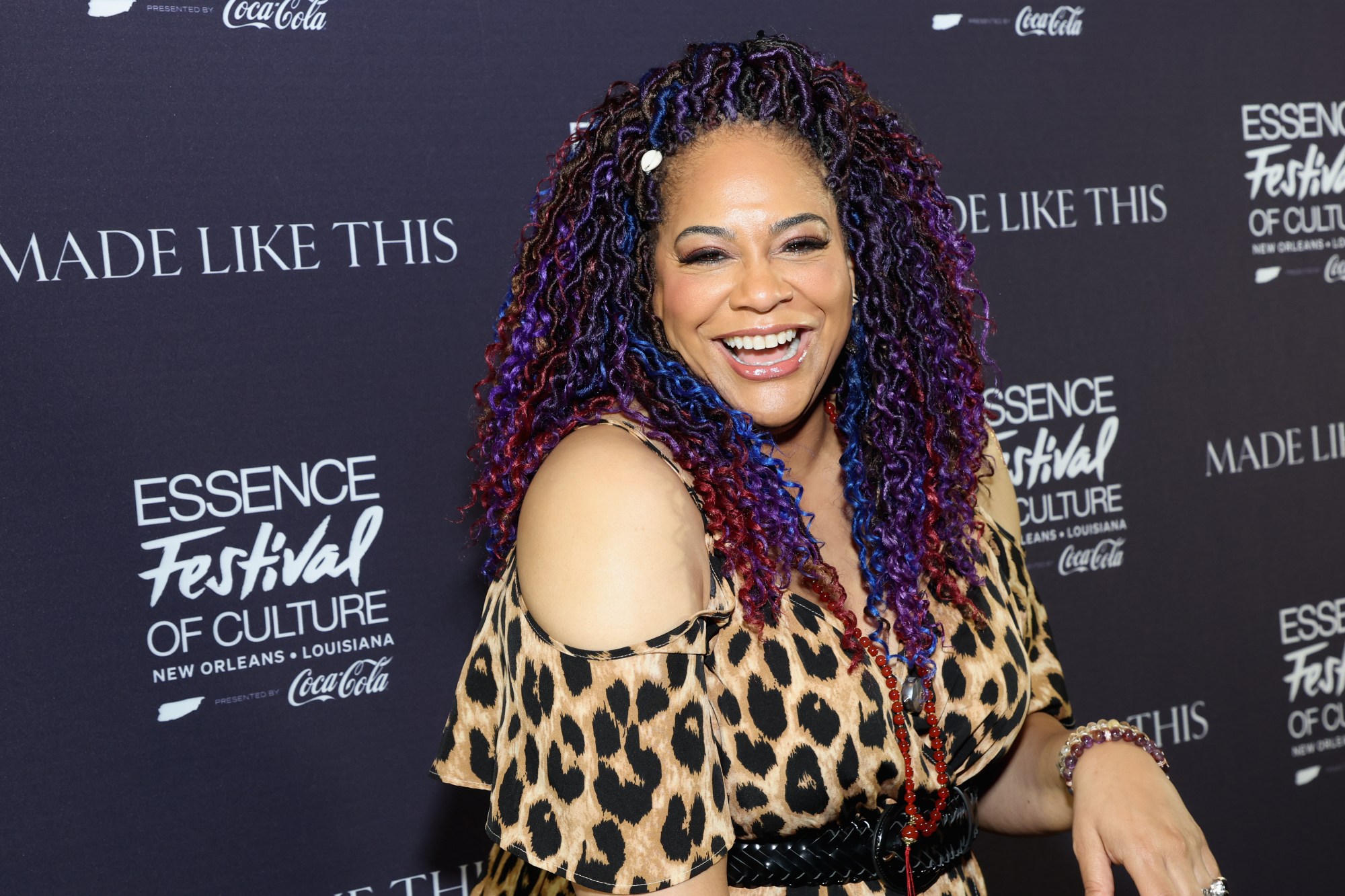
“Fat jokes” and Fighting Back: Kim coles Reveals Weight Pressure on ‘Living Single‘ Set
Kim Coles, beloved for her role as Synclaire James on the groundbreaking 90s sitcom Living Single, recently shared a painful truth about her time on the show. She faced relentless pressure from network executives to loose weight, a demand that threatened to undermine her character and dignity. This revelation, aired on the reliving Single podcast alongside co-host Erika Alexander, shines a light on the pervasive and damaging body standards that continue to plague the entertainment industry.
The Constant Demand to shrink
Coles recounted a recurring nightmare: a call, every season, from her manager delivering the same message. “Kim Coles has to lose some weight.” This wasn’t constructive criticism; it was a threat.The implication was clear – if she didn’t conform, the writers might resort to “fat jokes” to garner laughs at her expense.
This pressure wasn’t just about aesthetics. It was about control and a narrow definition of what was considered acceptable – and marketable – on television. It’s a story sadly familiar to many actresses, particularly women of color, who have faced similar scrutiny throughout their careers.
A Moment of Recognition: The “Crappy Birthday” Episode
During the podcast, Alexander pointed to a scene in the Crappy Birthday episode as a prime example of the subtle, yet harmful, body-shaming that coudl have easily become more prevalent.A comment was made about something weighing down the car. Coles acknowledged the moment, expressing surprise it even made it into the final cut.
“We didn’t do a lot of that on this show, and I’m grateful,” Coles stated. She also admitted to gaining weight each year she was on the show, highlighting how easily the show could have leaned into harmful tropes.
Finding Strength in solidarity
Despite the external pressure,Coles found a powerful source of support within the Living Single cast. Queen latifah, in particular, drew a firm line. She made it clear that body-shaming humor wouldn’t be tolerated on set. This decisive stance effectively shut down the possibility of such jokes becoming a regular feature of the show.
This cast solidarity is a testament to the power of collective action and the importance of creating a safe and respectful work environment.it demonstrates how individuals can challenge harmful industry norms and advocate for positive change.
Beyond the Show: Real Women, Real Bodies
living Single was revolutionary in its representation of Black women. The show featured four leads with distinctly different body types – a rarity in 90s television. Coles emphasized that the characters “looked like women that everybody knew in our community.”
This authenticity resonated with audiences and contributed to the show’s enduring popularity. It offered a refreshing alternative to the frequently enough-unattainable beauty standards presented in mainstream media.
Coles also shared how her male friends offered blunt, yet reassuring, support, telling her, “There’s no man in America that would kick any one of y’all out of bed.” While the phrasing might be dated,the sentiment was clear: her worth wasn’t defined by her weight.
The Emotional Toll of Unrealistic Expectations
The constant scrutiny took a significant emotional toll on Coles. She described the difficulty of gaining weight while simultaneously feeling like everyone was staring and judging her. This experience underscores the psychological impact of unrealistic beauty standards and the pressure to conform.
“There is an expectation by these suits in an office somewhere of what they think sexy is,” Coles explained.This expectation, she noted, created a constant internal conflict and a sense of inadequacy.
Evergreen Insights: Body Image & Representation in Media
The issues raised by Kim Coles’s story are far from confined to the 1990s.The entertainment industry continues to grapple with issues of body image,diversity,and representation. Here’s what you should know:
The Persistence of Harmful Stereotypes: Despite progress, harmful stereotypes about body size and shape remain prevalent in media.
The Impact on Mental Health: Exposure to unrealistic beauty standards can contribute to body dissatisfaction, anxiety, and depression.
The Importance of Diverse Representation: Seeing diverse bodies represented in media can promote body positivity and challenge harmful norms.
The Power of Advocacy: Individuals and organizations can advocate for greater diversity and inclusivity in the entertainment industry.
* Shifting the Narrative: We,





