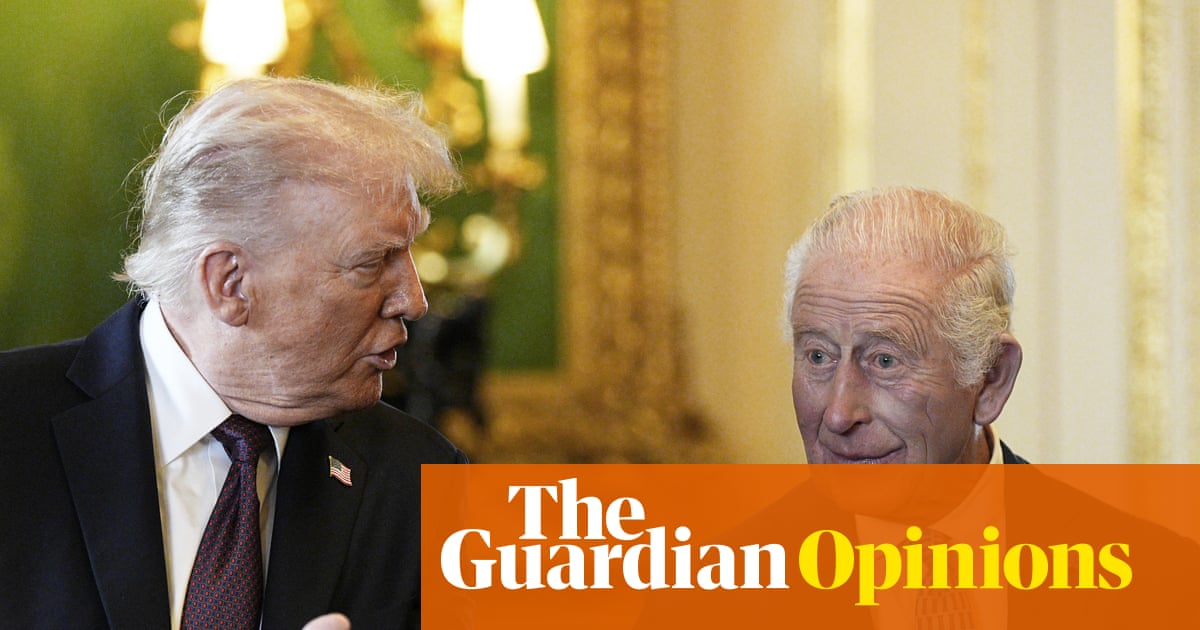
The diplomatic landscape of the “special relationship” between the United Kingdom and the United States is once again under the spotlight as King Charles prepares for a high-profile encounter with Donald Trump. While state visits are typically choreographed to emphasize kinship and shared values, the history between the British monarchy and American presidents has often been marked by a blend of rigid protocol and unexpected personal awkwardness.
The upcoming interactions serve as a reminder of how the King’s approach to diplomacy has evolved since his first foray into American politics as a young man. From the carefully managed optics of the 1970s to the more candid reflections he has shared in recent years, the King’s history with U.S. Leaders provides a blueprint for the challenges of maintaining royal neutrality in the face of unpredictable political personalities.
Central to this dynamic is the King’s long-standing effort to balance the traditional expectations of the Crown with the volatile nature of modern political leadership. As he navigates the complexities of a state visit, the King must weigh the necessity of diplomatic courtesy against the public and political pressures that accompany the current American administration.
The Nixon Legacy and the ‘Almost’ Marriage
During a recent state banquet held at Windsor Castle for President Donald Trump and First Lady Melania Trump, King Charles shared a rare and humorous reflection on his early experiences with American diplomacy. The King referenced a 1970 visit to the White House during the presidency of Richard Nixon, a trip that was fraught with media speculation regarding his romantic future.
At the time, the 21-year-old Prince of Wales was the subject of intense scrutiny. Reports from the 1970s suggested that President Nixon had hoped to foster a closer tie between the two nations by encouraging a relationship between Charles and his eldest daughter, Tricia Nixon. According to reports, Nixon was “unusually excited about the royals” and organized events to ensure the prince and Tricia were in constant contact during the summer of 1970.
The King addressed these old rumors with wit during his speech at the banquet, noting, “Had the media succeeded in the 1970s in their own attempt at deepening the special relationship, I myself might have been married off within the Nixon family!” This remark, which drew laughter from President Trump, highlighted the primitive nature of diplomatic matchmaking that once characterized high-level state interactions.
The 1970 visit was not only a diplomatic exercise but a significant moment in the King’s personal life. It was the same year he first met Camilla, the woman who would eventually become his queen. The contrast between the “political pedigree” of Tricia Nixon and the emerging relationship with Camilla illustrates the tension between royal duty and personal choice that has defined much of the King’s public life.
Navigating Diplomatic Friction and Protocol
Beyond the romantic speculation of the 1970s, the King’s history with U.S. Presidents has been punctuated by moments of social friction. These instances, while often viewed as anecdotes, underscore the difficulty of maintaining a “perfect” royal image when faced with the informal or sometimes clumsy nature of American hospitality.
One such instance occurred during a visit to President Ronald Reagan eleven years after the Nixon trip. The encounter was marked by a minor but memorable breach of etiquette involving a cup of tea served with the teabag still inside. The situation left the then-prince momentarily uncertain of how to proceed, creating a moment of mutual mortification for both the royal and the president.
Such moments highlight the inherent risk in state visits: the gap between the rigid expectations of British royal protocol and the more relaxed, sometimes erratic, nature of American political culture. For King Charles, the challenge is not merely the adherence to a script, but the ability to react with grace when the script is discarded by his counterpart.
The Strategic Importance of the ‘Special Relationship’
The term “special relationship” is frequently invoked by both British and American leaders to describe the unmatched alliance between the two nations. During the state banquet at Windsor Castle, King Charles emphasized that this bond is “anchored by a deep friendship” and has made both countries “safer and stronger through the generations” during his welcome address.
However, the “special” nature of this relationship is often tested by the differing styles of leadership. While the British monarch remains a symbol of continuity and neutrality, the American presidency is characterized by partisan volatility. The King’s ability to use humor—such as his jokes about the Nixon family—serves as a diplomatic tool to diffuse tension and maintain a cordial atmosphere without aligning himself with specific political agendas.
Key Historical Context: Royal-U.S. Interactions
| Year | U.S. President | Key Event/Detail |
|---|---|---|
| 1970 | Richard Nixon | Prince Charles visits the White House; rumors of a match with Tricia Nixon. |
| 1981 | Ronald Reagan | Prince Charles visits the U.S.; noted for a clumsy encounter involving a teabag. |
| 2025 | Donald Trump | King Charles hosts a state banquet at Windsor Castle; jokes about the Nixon era. |
What So for Future State Visits
As the King continues to represent the United Kingdom on the global stage, the lessons from his past visits remain relevant. The shift from being a “young bachelor” under the guidance of advisors to being the sovereign head of state allows him more agency in how he handles diplomatic awkwardness.

The ability to reference past failures or awkwardness—such as the “almost” marriage to a Nixon—transforms a potentially stiff formal event into a human interaction. This approach may be the most effective strategy for the King when dealing with leaders who favor authenticity and disruption over traditional protocol.
For the global audience and business interests tied to Anglo-American relations, these state visits are more than just social gatherings. They are signals of stability and cooperation. When the King successfully navigates the personality of a U.S. President, it reinforces the diplomatic infrastructure that supports trade, security, and economic policy between the two superpowers.
The next scheduled phase of these diplomatic engagements will involve continued bilateral discussions on global stability and the enduring bond between the two nations. We invite our readers to share their thoughts on the evolution of the “special relationship” in the comments below.
Worth a look
- IMD Issues Yellow Alert for Heavy Rainfall Across 40 Districts as Below-Normal Monsoon Forecast Continues Through September
- Christian Dandrès: State Intervention Ends Where Lease Agreements Begin
- Man Shot in Neck on East State Street in Trenton (archyde.com)
- Trump Slams Iran’s Duplicity and Warns Blockade Will Remain Amid Stalled Talks (world-today-news.com)