King Charles’ Historic Address to Congress Highlights U.S.-UK Unity Amid Transatlantic Tensions
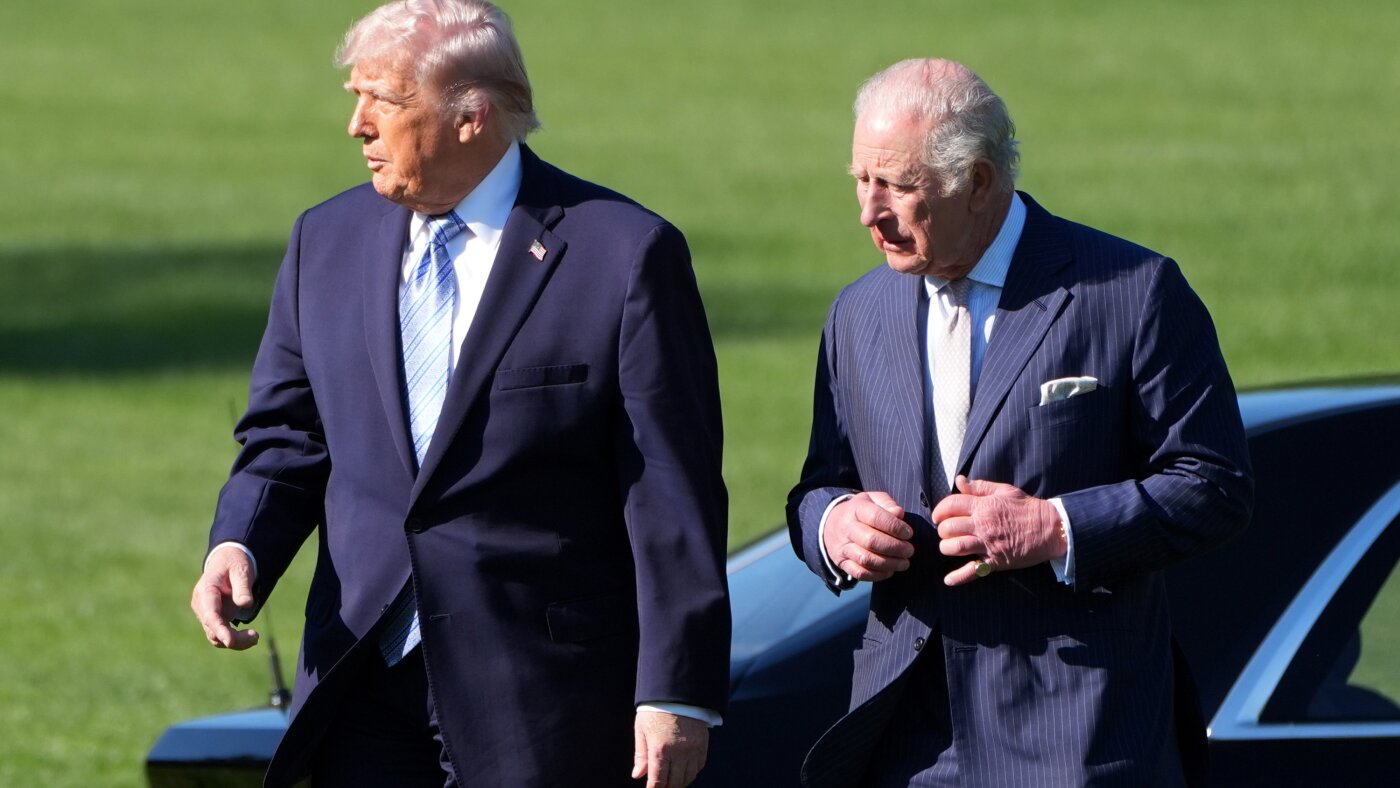
WASHINGTON — King Charles III delivered a rare and highly symbolic address to a joint session of the U.S. Congress on Tuesday, reaffirming the “special relationship” between the United Kingdom and the United States at a time when diplomatic strains have tested the historic alliance. The king’s speech, the first by a British monarch to Congress in 35 years, came as President Donald Trump’s administration faces criticism for its handling of the ongoing conflict with Iran and its broader approach to NATO and transatlantic partnerships.
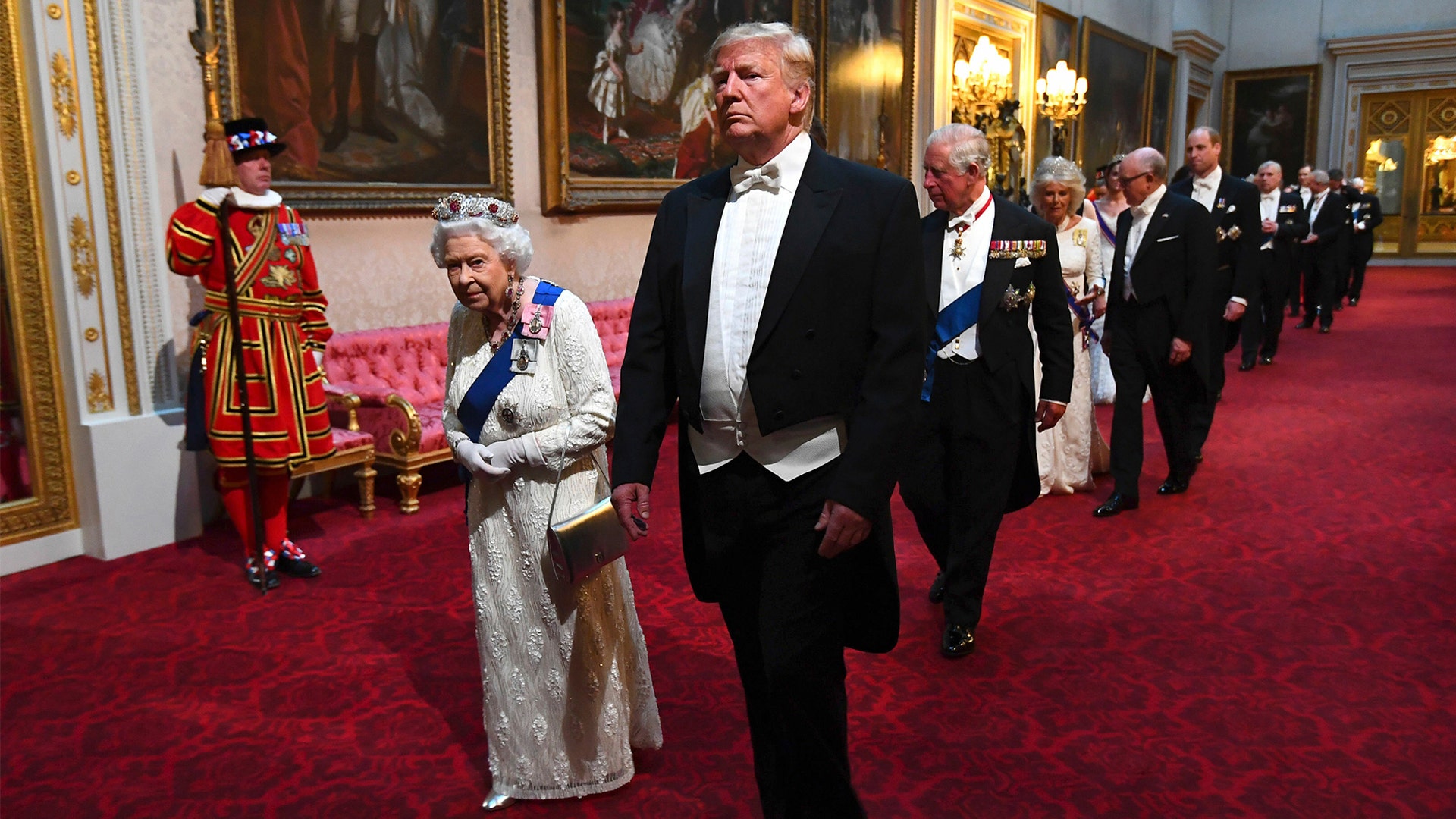
In his roughly 20-minute remarks, King Charles emphasized the shared values of democracy, freedom and mutual respect that have defined the U.S.-UK relationship for centuries. “Time and again, our two countries have always found ways to come together,” he said, according to a preview of the speech provided by Buckingham Palace. The address marked the 250th anniversary of America’s Declaration of Independence, a milestone the king described as a story of “reconciliation and renewal” and “one of the greatest alliances in human history.”
The state visit, which included a bilateral meeting with President Trump and a state dinner at the White House, unfolded against a backdrop of heightened security following an assassination attempt at the White House Correspondents’ Association dinner on Saturday. The king and Queen Camilla expressed their sympathies to the Trumps in a private call earlier in the week, underscoring the personal rapport between the royal family and the U.S. President, even as political tensions simmer between Washington and London.
A Fraught Moment for the “Special Relationship”
The king’s visit arrives at a particularly delicate moment for U.S.-UK relations. President Trump has publicly criticized British Prime Minister Keir Starmer for not joining the U.S. In its initial military strikes against Iran, dismissing Starmer as “no Winston Churchill.” The remarks, made on the president’s social media platform Truth Social, have fueled concerns about the stability of the transatlantic alliance, which has been a cornerstone of global security since World War II.
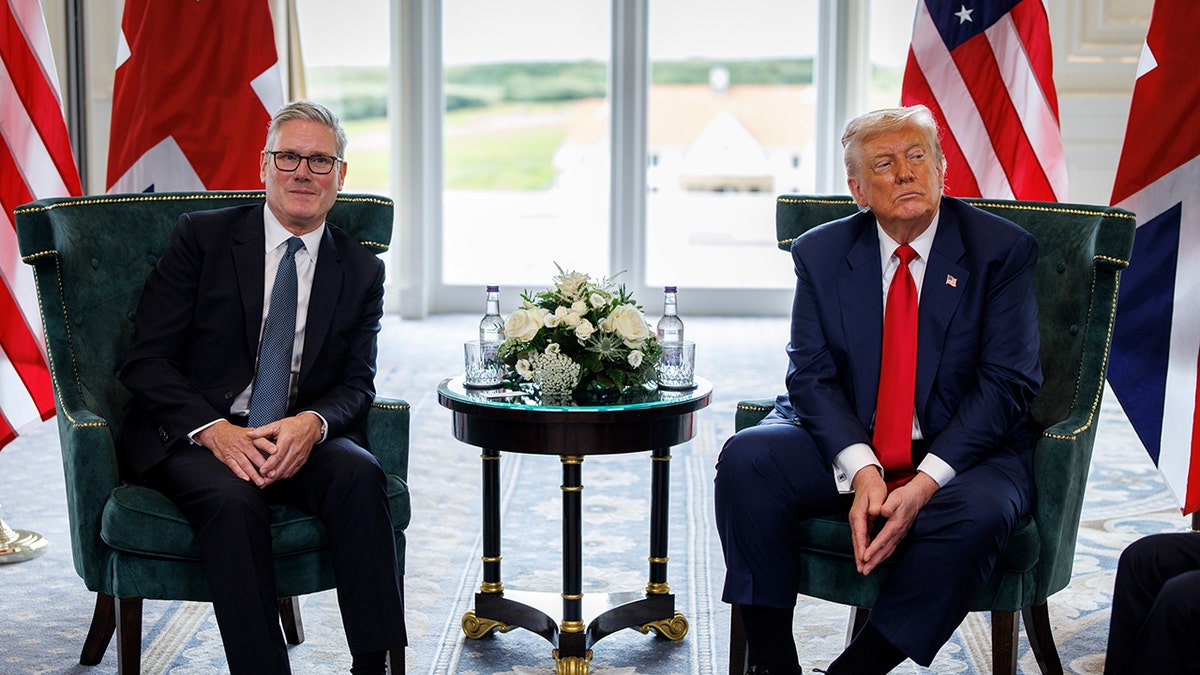
Despite the friction, the king’s speech sought to strike a unifying tone. According to royal sources, he urged U.S. Lawmakers to defend democratic values, including tolerance, liberty, and equality, whether through supporting NATO or standing with Ukraine. “The transatlantic alliance is built on a generosity of spirit and a duty to foster compassion, to promote peace, to deepen mutual understanding, and to value people of all faiths and none,” the king was expected to say, as reported by the BBC.
The timing of the visit is also notable for its historical significance. The last British monarch to address Congress was Queen Elizabeth II in 2007, during the presidency of George W. Bush. King Charles’ speech, written on the advice of the UK government, was designed to resonate with both American and British audiences, particularly as the two nations navigate a complex geopolitical landscape.
Personal Diplomacy Amid Political Tensions
While President Trump’s relationship with Prime Minister Starmer has been contentious, his personal rapport with King Charles and Queen Camilla appears to be far warmer. The president and first lady Melania Trump hosted the royal couple at a state dinner at the White House on Tuesday evening, following a formal welcome ceremony on the South Portico that included a performance by a U.S. Military drum and bugle corps. The Trumps also attended a garden party at the British Embassy in Washington on Monday, where the king and queen mingled with hundreds of guests, including diplomats, lawmakers, and business leaders.
The president’s affinity for the British monarchy was further highlighted on Tuesday when he shared a Daily Mail article on Truth Social claiming that he and King Charles are distant cousins. “Revealed: How the Mail traced Trump’s family tree and found out he’s the king’s cousin!” the headline read. Trump added, “Wow, that’s nice. I’ve always wanted to live in Buckingham Palace!!! I’ll talk to the King and Queen about this in a few minutes!!!” The post underscored the president’s long-standing fascination with the British royal family, a dynamic that contrasts sharply with his often combative approach to European leaders.
For King Charles, the visit represents an opportunity to reinforce the UK’s diplomatic priorities at a time when the U.S. Is increasingly focused on its own strategic interests. The king’s speech touched on themes of global cooperation, particularly in addressing climate change, a cause he has championed for decades. While the address did not delve into specific policy disagreements, it served as a reminder of the enduring bonds between the two nations, even as their leaders navigate a period of uncertainty.
Security Concerns and Symbolic Gestures
The royal visit was conducted under tight security, reflecting the heightened tensions in Washington following the assassination attempt at the White House Correspondents’ Association dinner. The incident, which left one security officer injured, prompted increased vigilance for the duration of the king’s stay. The U.S. Secret Service and local law enforcement agencies implemented additional measures to ensure the safety of the royal couple and other high-profile attendees.
Despite the security concerns, the visit was marked by symbolic gestures of unity. King Charles began his address by acknowledging the recent violence, expressing his sympathies for those affected. “In times of great international challenges, We see more necessary than ever to stand together to defend democratic values,” he said, according to NBC News. The remarks were met with bipartisan applause, a rare moment of consensus in a deeply divided U.S. Political landscape.

The king’s speech also highlighted the role of NATO in maintaining global security, a particularly sensitive topic given President Trump’s past criticisms of the alliance. While the king did not directly address the president’s remarks, his emphasis on collective defense was widely interpreted as a subtle rebuke of isolationist tendencies in U.S. Foreign policy. “Our shared commitment to liberty and justice must guide us in the years ahead,” he said, framing the U.S.-UK relationship as a force for stability in an increasingly unstable world.
What’s Next for U.S.-UK Relations?
The king’s visit may have temporarily eased tensions between Washington and London, but the underlying challenges remain. Prime Minister Starmer’s government has sought to maintain a balanced approach to the Iran conflict, prioritizing diplomatic solutions over military engagement. Meanwhile, President Trump’s administration has signaled a willingness to take unilateral action, a stance that has drawn criticism from European allies.
For now, the focus shifts to the next steps in the U.S.-UK relationship. The two nations are expected to continue collaborating on issues such as climate change, trade, and global security, though the tone of that cooperation may depend on the outcome of the U.S. Presidential election in November. King Charles’ address served as a reminder of the enduring ties between the two nations, but the path forward will require careful navigation by leaders on both sides of the Atlantic.
The next major diplomatic checkpoint is the NATO summit in July, where leaders from member countries will gather to discuss the alliance’s future. The summit will provide an opportunity for President Trump and Prime Minister Starmer to reset their relationship and reaffirm their commitment to collective defense. Until then, the “special relationship” remains a function in progress, with King Charles’ visit offering a moment of reflection on its past, present, and future.
What do you think about the future of U.S.-UK relations? Share your thoughts in the comments below, and don’t forget to share this article with others who may be interested in the evolving dynamics between these two historic allies.
Keep reading