:max_bytes(150000):strip_icc():focal(783x215:785x217)/melania-donald-trump-king-charles-iii-queen-camilla-trump-state-visit-uk-windsor-091725-3-04c5cae9cb9c469e8870113164bc4770.jpg)
8 Memorable Moments From Past British Royal Visits to the U.S.
As King Charles III and Queen Camilla prepare for their highly anticipated state visit to the United States—hosted by President Donald Trump—all eyes are on the diplomatic and cultural significance of this historic trip. Royal visits to America have long been more than just ceremonial; they’ve shaped transatlantic relations, sparked cultural exchanges, and even influenced global policy. From groundbreaking speeches to heartwarming public moments, these visits have left an indelible mark on both nations.
For nearly a century, British royals have traveled to the U.S. To strengthen alliances, celebrate shared history, and connect with the American public. Some visits were purely symbolic, while others carried profound political weight—especially during times of war, economic crisis, or social change. As we look ahead to this latest chapter in royal diplomacy, let’s revisit eight of the most unforgettable moments from past British royal visits to the United States.
1. King George VI and Queen Elizabeth’s 1939 Visit: A Pre-War Bond
The first reigning British monarchs to visit the United States, King George VI and Queen Elizabeth (later known as the Queen Mother), arrived in June 1939—a pivotal moment in global history. Their visit, just months before the outbreak of World War II, was a strategic effort to strengthen Anglo-American relations as tensions in Europe escalated. President Franklin D. Roosevelt hosted the royal couple at his private estate in Hyde Park, New York, where they famously enjoyed hot dogs—a moment that charmed the American public and symbolized the growing friendship between the two nations.
The visit also included a stop at the 1939 New York World’s Fair, where the royals toured the British Pavilion and met with American dignitaries. The trip was widely covered by the media, with The New York Times describing it as “a visit of goodwill that has done more to cement Anglo-American relations than any event in recent history.” The timing of the visit was no coincidence; it laid the groundwork for the Lend-Lease Act of 1941, which provided critical U.S. Support to Britain during the war.
2. Queen Elizabeth II’s 1957 Address to the United Nations
In October 1957, Queen Elizabeth II made her first visit to the United States as monarch, marking a significant moment in post-war diplomacy. Her address to the United Nations General Assembly in New York was a historic first for a British sovereign. Speaking to an audience of world leaders, she emphasized the importance of international cooperation, stating, “The United Nations has become the indispensable instrument of human progress and the guardian of peace.”
The Queen’s speech was not just symbolic; it reflected Britain’s commitment to multilateralism during the Cold War. Her visit also included a stop in Washington, D.C., where she met with President Dwight D. Eisenhower, and a tour of Jamestown, Virginia, to commemorate the 350th anniversary of the first permanent English settlement in North America. The trip reinforced the “special relationship” between the U.S. And the U.K., a term popularized by Winston Churchill and later embraced by both nations.
3. The Queen’s 1976 Bicentennial Visit: Celebrating 200 Years of Independence
Queen Elizabeth II returned to the U.S. In 1976 to celebrate the nation’s bicentennial, a visit that blended history, diplomacy, and public spectacle. The Queen and Prince Philip embarked on a nine-day tour, beginning in Philadelphia, where they attended a reenactment of the signing of the Declaration of Independence. She also visited Washington, D.C., where she addressed a joint session of Congress—a rare honor for a foreign leader—and delivered a speech that highlighted the shared values of democracy and freedom.
One of the most memorable moments of the trip occurred in New York City, where the Queen attended a ticker-tape parade in her honor. An estimated 2 million people lined the streets to catch a glimpse of the royal couple, making it one of the largest public gatherings in the city’s history. The visit was a resounding success, with The Washington Post noting that it “rekindled the warmth and affection between the two nations.”
4. Princess Diana’s 1985 Visit: A Humanitarian Touch
Princess Diana’s 1985 visit to the U.S. Was a turning point in her public image, showcasing her compassion and commitment to humanitarian causes. During her trip, she visited the Harlem Hospital Center in New York City, where she famously held a baby born with AIDS—a gesture that challenged the stigma surrounding the disease at the time. The moment was captured in photographs that circulated worldwide, cementing Diana’s reputation as the “People’s Princess.”

The visit also included a stop at the White House, where she danced with actor John Travolta at a state dinner hosted by President Ronald Reagan. The iconic image of Diana in a midnight-blue velvet gown, twirling on the dance floor, became one of the most enduring photographs of the 1980s. Beyond the glamour, Diana’s trip underscored her dedication to charitable work, including her support for the homeless and children’s hospitals.
5. The Queen’s 1991 Address to Congress: A Post-Cold War Message
In May 1991, Queen Elizabeth II made her second address to a joint session of the U.S. Congress, this time in the aftermath of the Cold War. Her speech focused on the opportunities and challenges of the new global order, emphasizing the need for continued cooperation between the U.S. And the U.K. She praised the “special relationship” that had helped secure victory in the Cold War and called for a renewed commitment to peace and prosperity.
The visit came at a time of significant geopolitical change, with the fall of the Berlin Wall and the dissolution of the Soviet Union reshaping the world. The Queen’s presence in Washington was a symbolic reminder of the enduring alliance between the two nations. She also visited Texas, where she toured the Johnson Space Center in Houston, meeting with astronauts and celebrating the collaborative achievements of NASA and the British space program.
6. Prince Charles and Princess Diana’s 1983 Tour: A Royal Romance on Display
Prince Charles and Princess Diana’s 1983 visit to the U.S. Was one of their first major overseas tours as a married couple, and it captivated the American public. The trip, which included stops in California, New York, and Washington, D.C., was a mix of diplomacy and public spectacle. In Los Angeles, the couple attended a star-studded gala at the Hollywood Bowl, where Diana dazzled in a stunning off-the-shoulder gown. The event raised millions for charity, further enhancing the royal couple’s global appeal.
Though, the visit was not without its challenges. Rumors of marital tension between Charles and Diana began to surface during the trip, with some media outlets speculating about their strained relationship. Despite this, the couple maintained a united front in public, and their visit was widely regarded as a success. The trip also included a meeting with President Reagan at the White House, where the royals discussed issues ranging from trade to environmental conservation.
7. The Queen’s 2007 Visit: Honoring the 400th Anniversary of Jamestown
In May 2007, Queen Elizabeth II returned to the U.S. To commemorate the 400th anniversary of the founding of Jamestown, Virginia—the first permanent English settlement in North America. The visit was rich in historical symbolism, with the Queen attending ceremonies in Jamestown, Williamsburg, and Richmond. She also visited the Virginia State Capitol, where she delivered a speech reflecting on the shared history of the U.S. And the U.K.
The trip was notable for its focus on reconciliation and cultural exchange. The Queen met with descendants of Pocahontas, the Native American woman who played a key role in the early interactions between English settlers and Indigenous peoples. She also toured the Jamestown Settlement, where she viewed artifacts from the colonial era and met with historians. The visit was a reminder of the complex and intertwined histories of the two nations, as well as their enduring partnership.
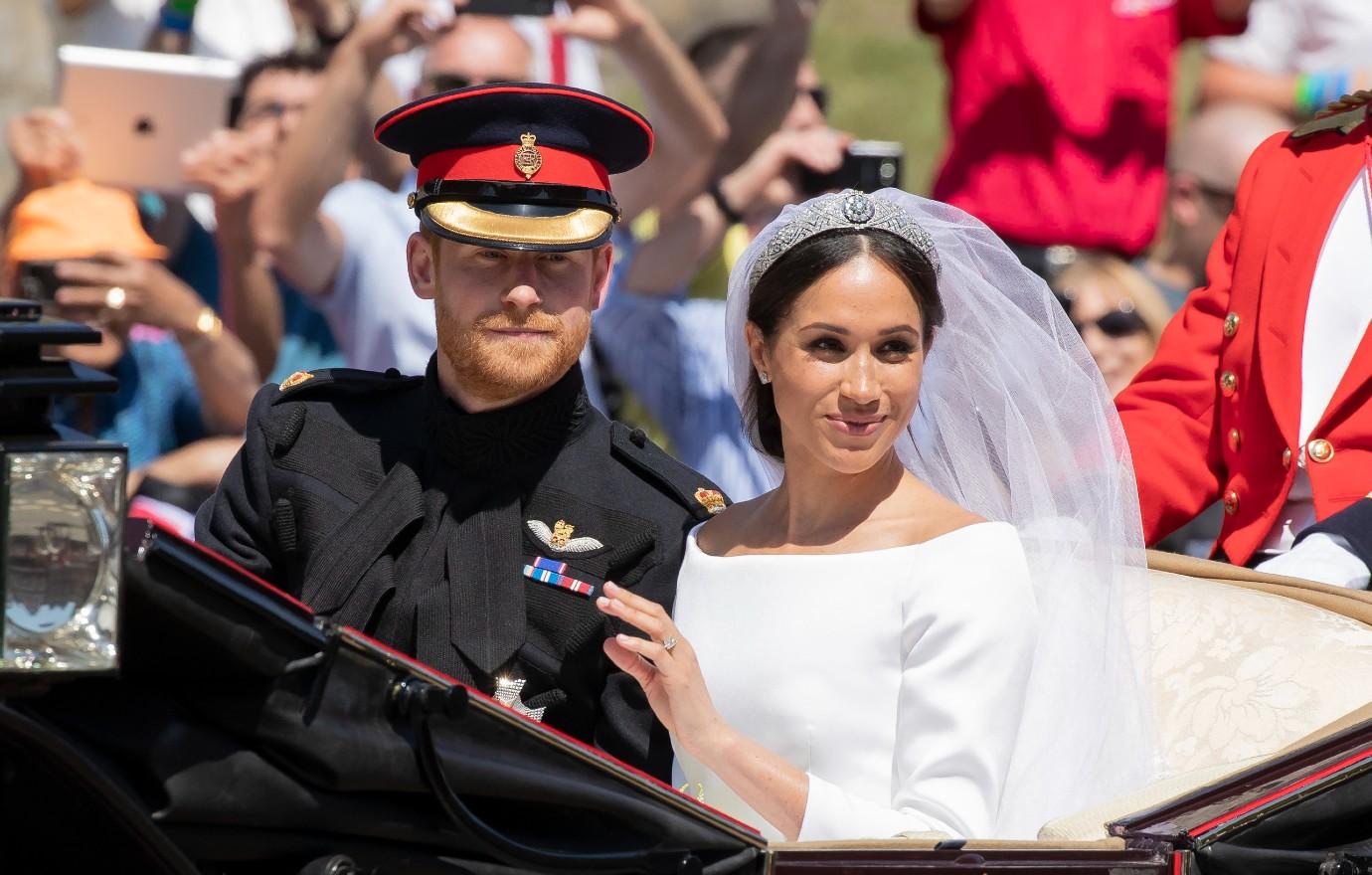
8. Prince Harry and Meghan Markle’s 2018 Invictus Games: A Celebration of Resilience
In 2018, Prince Harry and Meghan Markle made their first official visit to the U.S. As a married couple to attend the Invictus Games in Orlando, Florida. The event, founded by Prince Harry in 2014, is an international adaptive multi-sport competition for wounded, injured, or sick armed services personnel. The couple’s presence at the games highlighted their commitment to veterans’ issues and mental health awareness.
The visit was also a cultural milestone, as Meghan—an American actress—returned to her home country as a member of the British royal family. The couple’s public appearances, including a visit to a school in Harlem and a meeting with former First Lady Michelle Obama, were met with enthusiasm by the American public. The trip underscored the royals’ ability to connect with younger generations and address contemporary social issues.
Why These Visits Matter
British royal visits to the U.S. Are more than just ceremonial events; they serve as powerful symbols of diplomacy, culture, and shared history. From King George VI’s pre-war visit to Prince Harry and Meghan Markle’s advocacy for veterans, these trips have shaped public perception, strengthened alliances, and even influenced policy. As King Charles III and Queen Camilla prepare for their own visit, they will carry forward this legacy, navigating the complexities of modern diplomacy while honoring the traditions of the past.
For Americans and Britons alike, royal visits offer a chance to reflect on the enduring bond between the two nations—a bond that has weathered wars, economic crises, and social change. Whether through grand speeches, heartfelt gestures, or moments of unexpected connection, these visits remind us of the power of diplomacy and the importance of shared values.
Key Takeaways
- Diplomatic Impact: Royal visits have often coincided with pivotal moments in history, from pre-WWII alliances to post-Cold War cooperation.
- Cultural Exchange: These trips have fostered mutual understanding and celebrated shared heritage, from Jamestown’s founding to modern-day advocacy.
- Public Engagement: Royals have used their visits to connect with Americans on a personal level, whether through charity work, public appearances, or symbolic gestures.
- Media Spotlight: High-profile visits have captured global attention, shaping the public image of the royal family and influencing international perceptions.
- Legacy of the “Special Relationship”: The term, coined by Winston Churchill, has been reinforced by royal visits, highlighting the unique bond between the U.S. And the U.K.
What’s Next?
King Charles III and Queen Camilla’s upcoming state visit is expected to focus on strengthening transatlantic ties, particularly in areas such as climate change, trade, and security. While the specifics of their itinerary remain under wraps, the visit is likely to include stops in Washington, D.C., and other major cities, as well as meetings with President Trump and other U.S. Leaders. For updates on the visit, readers can follow official announcements from the British Monarchy’s website and the White House.
As we await the arrival of King Charles and Queen Camilla, their visit offers an opportunity to reflect on the rich history of royal diplomacy—and to consider what new chapters they will add to this enduring tradition.
What are your favorite memories of past royal visits? Share your thoughts in the comments below, and don’t forget to share this article with fellow history and diplomacy enthusiasts!