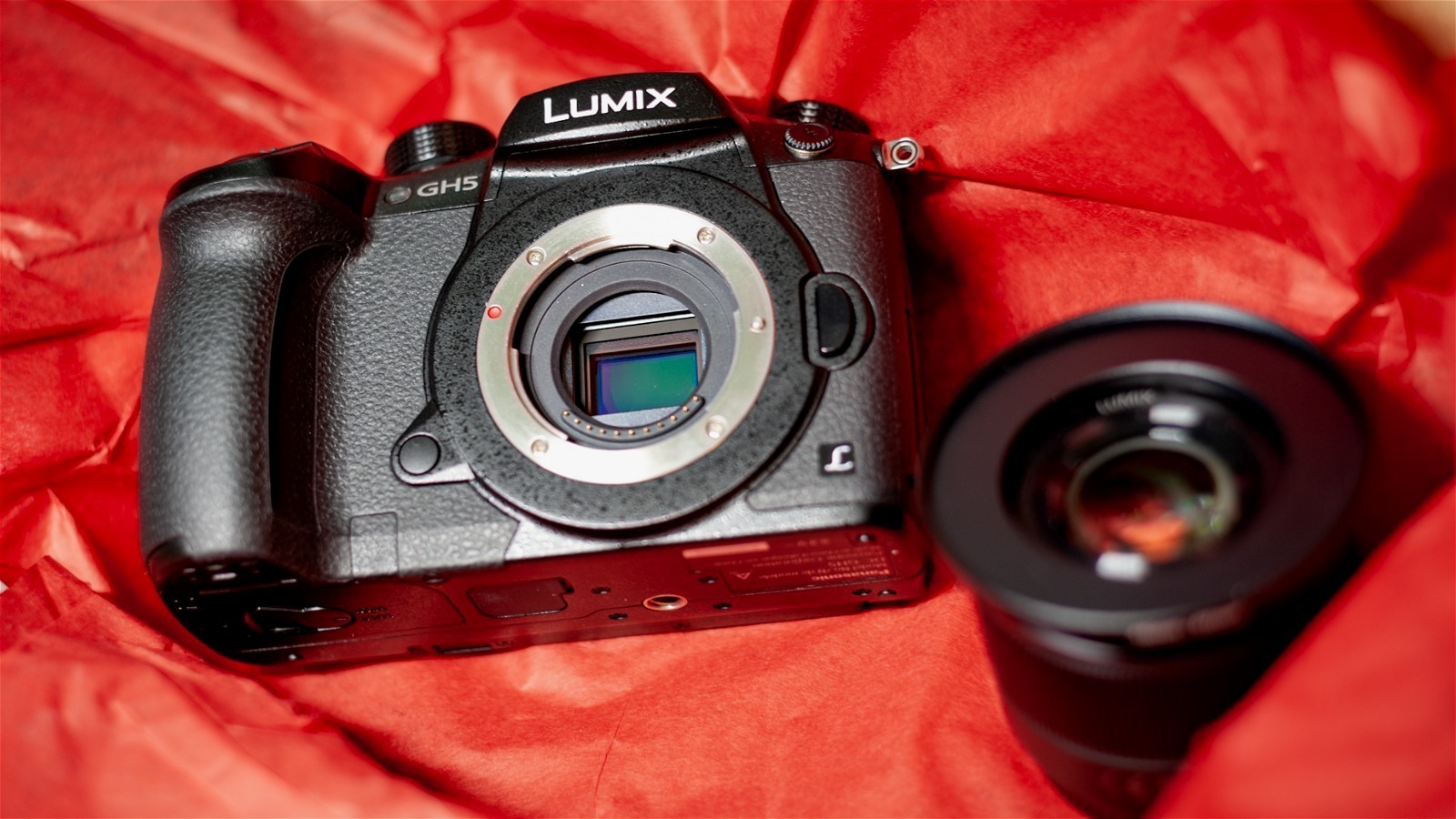
Film photography continues to attract new participants annually, but finding a suitable first camera without wasting money or ending up with a broken body remains a challenge according to Fstoppers. Jonathan Paragas, known as KingJvpes, has compiled a rundown of 12 beginner film cameras divided into five distinct categories. Paragas has shot every single body featured on the list over the past decade.
Film Cameras Worth Buying: Navigating Beginner and Pro Options
Each category includes both a budget pick and a splurge pick to accommodate varying levels of commitment. The five structural groups consist of entry-level, point-and-shoot, fully automatic, fully mechanical, and all-rounder cameras. This categorization aims to match the equipment to how much a user wants to think while shooting, addressing a common pitfall where beginners purchase gear solely based on hype.
Entry-Level and Point-and-Shoot Categories
The entry-level tier begins with disposable cameras, which have evolved far beyond their traditional drugstore reputations. Shooters can now find these loaded with black-and-white, color, and specialized film stocks. Stepping up from disposables is the Kodak Snapic A1, a reusable body featuring a 25mm glass lens, built-in flash, and multiple shooting modes priced around 100 dollars.
In the point-and-shoot category, selections prioritize reliability and sharpness over fleeting trends. The Olympus Stylus Zoom and the more affordable Pentax IQ Zoom lead this segment. Meanwhile, the Olympus Stylus Epic serves as the category splurge, featuring a prime 35mm f/2.8 lens that outresolves zoom variants.
Mechanical and All-Rounder Recommendations
The mechanical and all-rounder tiers offer more opinionated guidance for expanding photographers. The Pentax Spotmatic SP costs between $25 and $70, pairing with Super-Takumar glass such as the 50mm f/1.4 and 55mm f/1.7 lenses. Shooters can meter using a phone application if they choose to omit a handheld meter. On the higher end, the Nikon FM2 stands out as a pricier mechanical option featuring a 1/4,000 s mechanical shutter capable of firing without a battery—a specification rare among mechanical bodies.

Paragas identifies the Minolta XD 11 as his top all-rounder and the body he recommends most frequently. Built on the same chassis as the Leica R3, it typically runs from $100 to $150. Positioned above it is the Nikon F3, which offers room to grow with a swappable prism, changeable focusing screens, and an advance lever operating on 11 ball bearings.
Avoiding Common Mistakes on the Used Market
A primary theme of the recommendations is selecting a camera that allows room to change one’s mind. Beginners frequently overspend on viral social media bodies, only to discover the shooting experience does not suit their workflow. Equipment like the Minolta XD 11 or Nikon F3 allows a photographer to start in aperture priority mode relying on a meter, and later transition to full manual control as their skills develop, all without purchasing a second body.
Furthermore, the used market rewards patience. Prices for models like the Pentax IQ Zoom or Minolta Maxxum HTsi Plus fluctuate widely across listings. Setting a saved search and waiting a week or two frequently secures the same camera for half the price of an impulse purchase, saving buyers more money than brand selection alone.
Worth a look