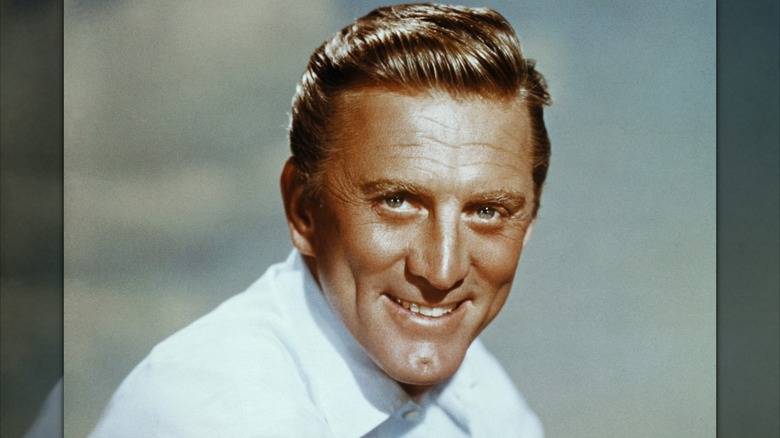
The 1949 television appearance of actor Kirk Douglas on The Ed Sullivan Show, then titled Toast of the Town, remains a frequently discussed moment in television history. More than 75 years later, the clip continues to circulate online, drawing viewers interested in the early career of the man who would become a central figure in 20th-century American cinema. The footage captures a candid, unscripted interaction between host Ed Sullivan and a young, rising actor who was not originally scheduled to be a guest that evening.
At the time of this appearance, Kirk Douglas was working to establish his presence in the film industry, having recently starred in the 1949 motion picture Champion. His performance in the film, which earned him his first Academy Award nomination for Best Actor, was a significant milestone in his career. The spontaneity of his appearance on the program, where he was pulled from the audience by Sullivan, offers a contrast to the heavily produced nature of modern late-night television.
The Origins of a Spontaneous Television Moment
The 1949 broadcast of Toast of the Town serves as a time capsule for the early days of live television. During this era, the program, hosted by newspaper columnist Ed Sullivan, was instrumental in shaping the variety show format. According to historical records of the program, Sullivan’s decision to invite audience members onto the stage was an infrequent practice, making the interaction with Douglas an outlier in the show’s established flow.

During the segment, Douglas shared anecdotes regarding his transition from stage work to film. He discussed the challenges of his early roles and his experience with the production of Champion, a film that critics widely credited for elevating his status in Hollywood. His ability to engage with the audience without a pre-written script or rehearsed segments is often cited by modern viewers as the primary reason the clip maintains its appeal. The interaction highlights a period when television relied on the natural charisma of performers rather than the polished, high-production standards that would dominate the medium in later decades.
Evaluating the Legacy of Kirk Douglas
While the 1949 appearance is often praised for its simplicity and charm, the broader legacy of Kirk Douglas is complex and frequently debated. Throughout his career, he appeared in iconic films such as Spartacus (1960) and Lust for Life (1956), in which he portrayed Vincent van Gogh. His work as an actor and producer is recognized for its impact on the film industry, particularly his role in challenging the Hollywood blacklist by hiring Dalton Trumbo to write the screenplay for Spartacus.

However, public discourse regarding Douglas has also included scrutiny of his personal life. Over the years, media reports and biographies have addressed his reputation and various controversies, including allegations regarding his personal conduct and relationships during his time as a major star. Because of these factors, public opinion remains split; some viewers focus on his professional achievements and the historical significance of his filmography, while others find it difficult to reconcile his screen persona with reports concerning his private behavior. This duality ensures that discussions about his career often shift between admiration for his craft and critical analysis of his personal history.
Why Modern Audiences Revisit the 1949 Clip
The enduring interest in the 1949 footage is rooted in the contrast it provides to contemporary media. In an era dominated by carefully curated social media personas and heavily edited viral content, the unvarnished nature of a live, 1940s-era interview feels distinct. Viewers often comment on the confidence Douglas displayed as a young man on the cusp of fame, noting a lack of the “star power” artifice that would define his later years.
The clip remains accessible through various digital archives, allowing new generations to examine the evolution of the talk-show interview format. By observing the interaction between Sullivan and Douglas, researchers and fans alike can see the early techniques used to humanize Hollywood stars for a mass television audience. The simplicity of the segment—just a microphone and a conversation—stands in stark contrast to the complex, multi-camera setups and digital marketing strategies that define modern celebrity promotion.
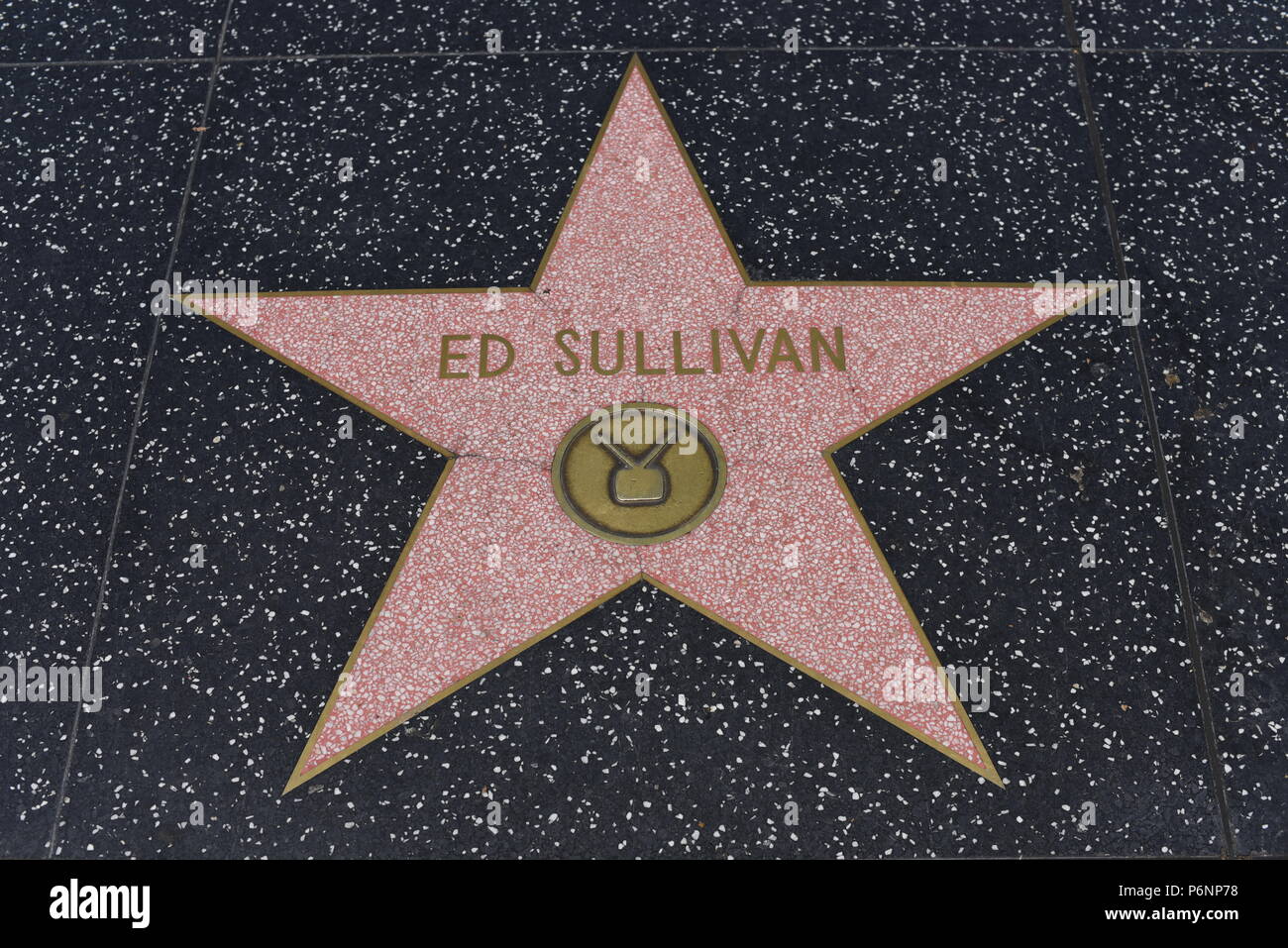
As discussions about Hollywood history continue to evolve, the 1949 interview serves as a primary source for understanding the mid-century rise of the American movie star. Whether viewed as a charming piece of nostalgia or a subject for critical historical analysis, the clip remains a point of reference for those interested in the history of television and the life of one of its most recognizable figures. Readers are encouraged to share their own perspectives on how early television interviews continue to shape our understanding of celebrity culture today.
Keep reading