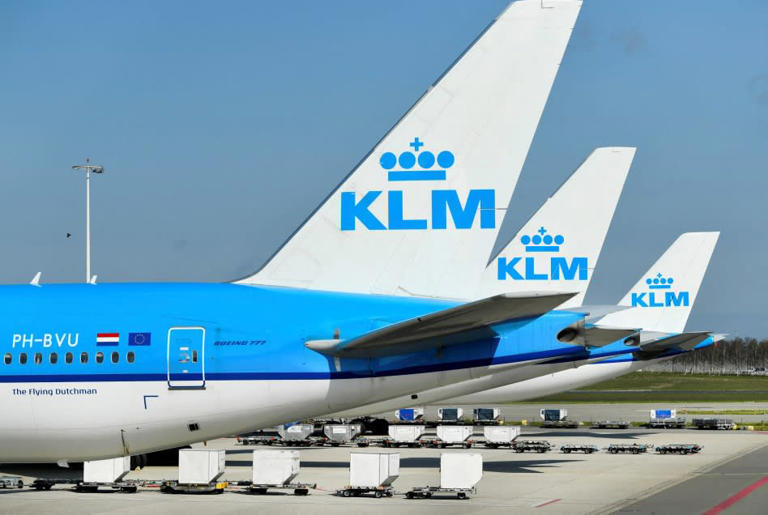
KLM Royal Dutch Airlines has proactively adjusted its flight paths to avoid traversing Saudi Arabian airspace, a decision prompted by heightened regional security concerns and recent escalations in the Middle East. The airline confirmed it is monitoring the situation closely, prioritizing passenger and crew safety by opting for alternative corridors as reports of regional volatility, including strikes in Yemen and tensions surrounding Saudi infrastructure, continue to emerge.
For international travelers and stakeholders in the aviation industry, this rerouting serves as a reminder of how quickly geopolitical friction can reshape global flight logistics. As the situation remains fluid, the airline continues to coordinate with international aviation authorities to assess the viability of its standard transit routes.
Geopolitical Tensions and Aviation Security
The decision to divert flights follows a pattern of heightened activity across the Arabian Peninsula. While airlines often adjust routes as a precautionary measure, these shifts underscore the challenges commercial carriers face when operating in proximity to active conflict zones.
The regional instability is multifaceted, involving a complex interplay between the Yemeni government, Houthi rebels, and various international actors. Such maneuvers are not merely strategic but often involve direct military intervention to prevent specific logistical movements, such as the landing of foreign aircraft in contested territories.
Impact on Global Flight Operations
Rerouting a long-haul flight is a complex operational undertaking that involves more than just changing a coordinate on a navigation system. When a carrier like KLM opts to bypass a region, it must account for increased fuel consumption, revised crew duty times, and potential impacts on arrival and departure slots at major hubs.
Passengers should expect that such changes may lead to minor fluctuations in flight times. While modern flight management systems are highly efficient at calculating these detours, the primary objective remains the mitigation of risk. Airlines typically communicate these adjustments through official channels, and travelers are encouraged to check their flight status directly via the official KLM website for the most accurate and up-to-date information regarding their specific journey.
Regulatory Oversight and Safety Protocols
Aviation safety is governed by a strict hierarchy of national and international regulations. Agencies such as the European Union Aviation Safety Agency (EASA) issue regular bulletins regarding conflict zones. When an airline chooses to avoid specific airspace, it often does so in alignment with these official advisories or as an independent proactive step to ensure the highest level of security for its passengers.

These decisions are rarely static. As the security environment in the Middle East evolves, airlines frequently review their risk assessments. The process involves constant consultation with intelligence agencies and aviation safety experts to determine when it is safe to resume standard operations. For the time being, the focus remains on maintaining connectivity while adhering to the highest standards of international aviation security protocols.
The airline has not provided a specific timeline for when these alternative routes will be lifted, as such decisions are dictated by the unfolding security situation on the ground. Passengers are advised to monitor official airline communications and travel advisories as they emerge. We invite our readers to share their thoughts or experiences regarding how regional instability has impacted their recent travel plans in the comments section below.
Related reading