
Rapper Mo Chara of Kneecap Acquitted: A Victory for Free Speech and Pro-Palestine Advocacy
The controversial case against Liam O’Hanna, known professionally as Mo Chara of the Irish rap group Kneecap, has concluded with all charges dropped. This outcome, delivered by a chief magistrate, sparked jubilant celebrations from supporters and ignited a debate surrounding free speech, political policing, and the expression of solidarity with Palestine. Here’s a comprehensive look at the case, its implications, and the reactions from key figures.
The Charges and the Context
O’Hanna faced accusations that sparked widespread concern among artists and activists. The specifics of the initial charges weren’t widely publicized, but the case quickly became framed as an attempt to stifle dissent regarding the conflict in Gaza. The Crown Prosecution Service (CPS) indicated it is indeed ”reviewing the decision carefully” and retains the option to appeal.
A Show of Support and defiance
The courtroom and its surroundings were filled with passionate displays of support.
* Supporters outside the court waved both Palestinian and Irish flags.
* Placards proclaiming “Free Mo Chara” were prominently displayed.
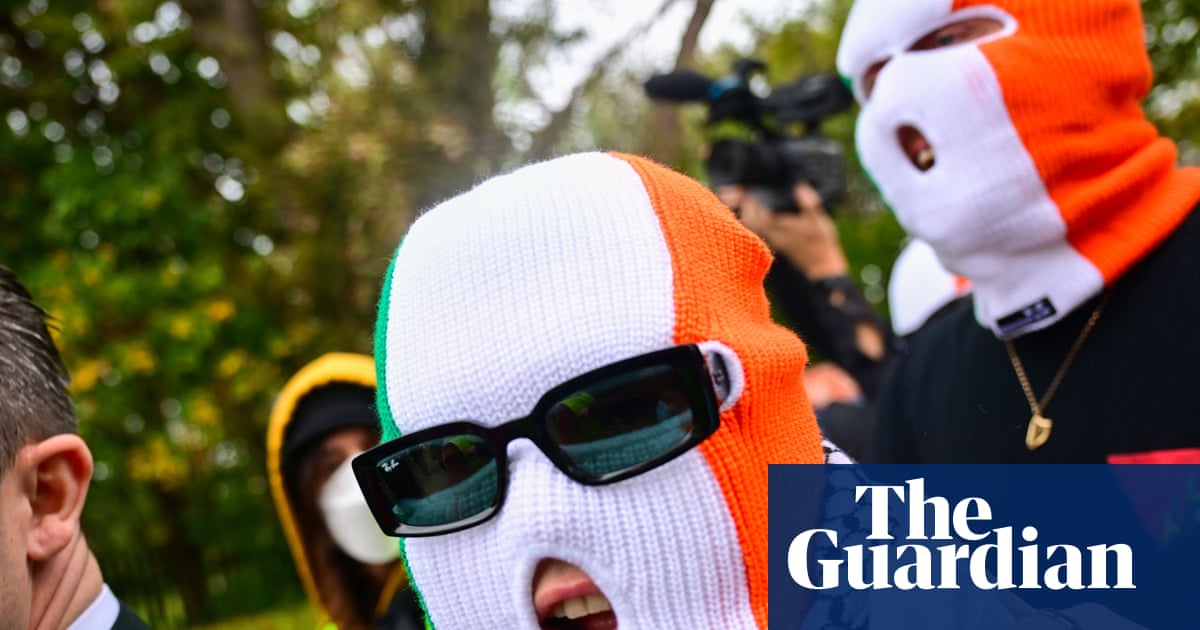
* O’Hanna himself arrived in court wearing a Palestinian keffiyeh, a balaclava in the colors of the Irish tricolour, and sunglasses – a deliberate statement of his convictions.
Following the verdict, O’Hanna addressed his supporters with a powerful message. He asserted the case was never about a genuine threat to public safety or terrorism, but rather a calculated effort to “discredit people you oppress” who dare to speak out about Gaza.
Key Statements and Reactions
The acquittal has drawn strong reactions from across the political spectrum.
* Mo Chara: “Your attempts to silence us have failed because we’re right and you’re wrong. We will not be silent.” He directly challenged the British state,stating,”If anyone on this planet is guilty of terrorism,it’s the British state. free Palestine.”
* Paul Maskey (Sinn Féin MP): Maskey hailed the decision as ”the right one,” praising Kneecap’s “brave and unapologetic” stance in calling out “Israel’s genocide and the complicity of western governments.” He emphasized that those responsible for the conflict in Gaza, and their supporters, should be the ones facing legal scrutiny.
* Daniel Lambert (Kneecap’s Manager): Lambert celebrated the outcome on X (formerly Twitter), declaring, ”Liam Og is a free man!” He underscored that Kneecap has “NO charges OR convictions in ANY country, EVER,” and that “political policing has failed.”
* Michelle O’Neill (Northern Ireland’s First Minister): O’neill welcomed the decision, stating the charges were a ”calculated attempt to silence those who stand up and speak out against the Israeli genocide in Gaza.” She affirmed the importance of continuing to speak out against injustice in Palestine.
* A pointed message to Keir Starmer: When asked about the Labor leader, O’Hanna simply stated, ”Better luck next time.”
the Broader Implications: Free Speech and Political Expression
This case raises critical questions about the boundaries of free speech and the potential for political motivations to influence legal proceedings.Many view the initial decision to pursue charges against O’Hanna as a chilling effect on artistic expression and advocacy for Palestinian rights.
You might be wondering what this means for similar cases in the future.The outcome sets a precedent, suggesting that expressing solidarity with Palestine, even through provocative art or statements, will not automatically be equated with criminal activity.
What’s Next for Kneecap?
Despite the ordeal, Kneecap’s manager, Daniel lambert, confirmed the group has no intention of altering their approach. They will continue to use their platform to advocate for their beliefs. This signals a continued commitment to challenging the status quo and amplifying voices often marginalized in mainstream discourse.
A Win for Activism, but the Fight Continues
The acquittal of Mo Chara is undoubtedly a victory for free speech and pro-Palestine activism. However, it’s crucial to remember that the underlying issues – the conflict in Gaza, the debate over political policing, and the right to express dissenting opinions


