
TikTok is fundamentally reshaping the beauty and hair service industry by turning viral hairstyling techniques, such as the knotless braids trend, into direct-to-consumer business models. Through the platform’s algorithm-driven discovery, stylists are bypassing traditional salon advertising to reach global audiences, often utilizing direct messaging services like WhatsApp to finalize bookings and payments.
This shift represents a significant evolution in social commerce, where the line between content consumption and commercial transaction disappears. As users engage with short-form video content, the transition from viewing a hairstyle to contacting a service provider happens within a single digital ecosystem.
How TikTok drives the knotless braids trend
The popularity of specific hair textures and styles on TikTok is driven by the platform’s highly personalized recommendation engine. When users interact with “BeautyTok” content—a massive subculture of beauty-focused videos—the algorithm prioritizes similar visual content, creating a feedback loop that can turn a specific technique into a global trend almost overnight.
Knotless braids have become a recurring focal point within this ecosystem. Unlike traditional box braids, which begin with a knot at the scalp, knotless braids involve feeding hair extensions into the natural hair gradually. This method reduces tension on the scalp and provides a more natural appearance, making it a highly visual and “shareable” technique that performs well in short-form video formats.
The visual nature of these transformations allows stylists to showcase technical skill through high-definition, close-up video. This content serves as a digital portfolio that reaches potential clients far beyond the stylist’s immediate geographic location, often prompting users to seek out the specific service through the contact information provided in video captions or social media bios.
The mechanics of knotless braiding techniques
From a technical standpoint, the knotless braiding method is designed to address common concerns regarding hair health and scalp tension. Traditional braiding methods often create a “knot” at the base of the extension, which can lead to traction alopecia if the tension is too high or the hair is pulled too tightly.
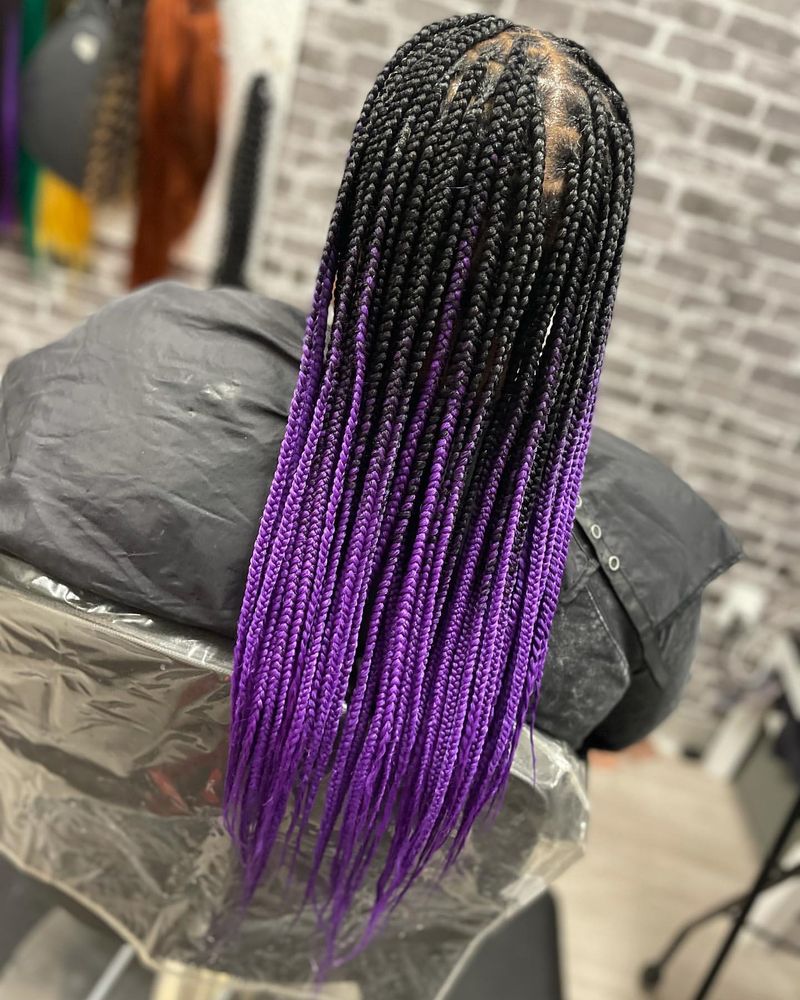
The knotless approach mitigates these risks through the following process:
- Gradual Integration: The stylist begins braiding with the person’s natural hair and slowly introduces synthetic or human hair extensions.
- Tension Distribution: Because there is no heavy knot at the root, the weight of the braid is distributed more evenly along the hair shaft.
- Natural Scalp Appearance: The lack of bulky knots creates a flatter, more seamless transition from the scalp to the braid, which is a primary driver of the style’s aesthetic appeal.
While these technical benefits contribute to the trend’s longevity, the scalability of the service is heavily dependent on the stylist’s ability to maintain consistency across hundreds of individual braids, a feat often demonstrated in “process videos” on social media.
Why stylists are moving to WhatsApp for bookings
The integration of messaging apps like WhatsApp into the social media workflow marks a move toward decentralized service management. Many micro-entrepreneurs and independent stylists now use their social media profiles to drive traffic directly to encrypted messaging platforms.
This transition offers several functional advantages for both the service provider and the consumer:
Direct Communication and Speed: Messaging apps allow for real-time negotiation regarding pricing, hair length, and availability. This is significantly faster than traditional email or formal booking software for small-scale operations.
Multimedia Capabilities: Stylists can easily send reference photos, video clips of previous work, and even voice notes to clarify specific client requirements. Clients, in turn, can send photos of their current hair condition to ensure the stylist is prepared for the appointment.
Global Accessibility: WhatsApp’s widespread use across international borders makes it a primary tool for stylists operating in diverse markets, allowing them to manage a globalized client base with minimal overhead costs.
Navigating the risks of social media service booking
While the shift toward social commerce offers convenience, it also introduces new challenges for consumer protection and service verification. The decentralized nature of booking via TikTok and WhatsApp means that traditional salon safeguards—such as established physical addresses, formal business licenses, and standardized refund policies—may be absent.
Industry analysts note several key areas where consumers should exercise caution when booking services through social media platforms:
- Verification of Credentials: Unlike established salons, independent stylists found on TikTok may not have easily verifiable professional certifications or business registrations.
- Payment Security: Moving transactions to messaging apps can sometimes bypass the protections offered by formal credit card processors or established booking platforms, increasing the risk of payment disputes.
- Consistency of Service: Without a centralized management system, the quality of service and the ability to handle cancellations or rescheduling can vary significantly between individual providers.
To mitigate these risks, experts suggest that consumers look for multiple points of social proof, such as tagged photos from previous clients, consistent posting history, and detailed reviews on independent platforms before committing to a booking.
Frequently Asked Questions
What is the main difference between knotless braids and traditional braids?
The primary difference is the starting point of the braid. Traditional braids use a knot at the scalp to secure the extension, whereas knotless braids gradually feed the extension into the natural hair, reducing scalp tension.
How does TikTok influence hair trends?
TikTok’s algorithm identifies high-engagement content and pushes it to wider audiences. When a specific hairstyle like knotless braids receives high engagement, the platform’s recommendation engine surfaces it to more users, creating a viral trend.
Is it safe to book hair appointments via WhatsApp?
Booking via WhatsApp is a common practice in social commerce, but it carries risks. Consumers should verify the stylist’s reputation through multiple sources and be cautious about how they handle payments to ensure security.
Why are knotless braids considered better for hair health?
They are generally considered better for hair health because they minimize the tension placed on the hair follicles at the scalp, which can help prevent hair loss and breakage associated with heavy or tight traditional braids.
The evolution of social commerce in the beauty industry continues to accelerate as new messaging features and video tools are integrated into social platforms. The next phase of this trend will likely involve more sophisticated, platform-integrated booking and payment systems that attempt to bridge the gap between viral discovery and secure professional transactions.
We invite you to share your thoughts on the impact of social media on professional services in the comments below. Do you prefer booking through official websites or direct messaging?