
In a move that has sparked widespread conversation about the role of literature in public education, Knox County Schools has reversed its decision to remove the Pulitzer Prize-winning novel Roots: The Saga of an American Family from its library shelves. The reversal, which occurred in late May 2026, marks a significant shift in a policy debate that has gripped the Tennessee district and drawn national attention to the intersection of state law and school curriculum access.
The decision to restore the 1976 novel by Alex Haley—a work deeply rooted in the local history of Knoxville—comes after intense scrutiny from both the public and members of the local school board. The district’s superintendent, Jon Rysewyk, confirmed the restoration in a memo to the Knox County Board of Education dated May 26, 2026, stating that the book would be returned to library circulation immediately. According to official reports regarding the policy shift, the district’s initial removal of the book had been intended to address concerns regarding compliance with state regulations, though the move faced immediate and vocal opposition.
A Reversal Driven by Public and Internal Pressure
The controversy began when Roots was placed on a restricted list within the district, a move that critics argued unfairly limited student access to a seminal work of American literature. Alex Haley, who authored the historical chronicle, holds a significant place in the local community, with a bronze statue dedicated to his legacy situated in Knoxville’s Morningside Park. The irony of removing a book by a celebrated local figure did not go unnoticed by the community or elected officials.

Superintendent Rysewyk, in his May 26, 2026, correspondence, sought to clarify the district’s stance, noting that the decision to return the novel was not an acknowledgment of any flaw in the book itself. He stated that the original removal “was in no way a commentary on the historical, cultural, or literary value of the novel.” he remarked, “Removing any book from circulation is, and should be, an immense decision. Our intent will always be to err on the side of access, which is the decision I have made with regard to ‘Roots.’”
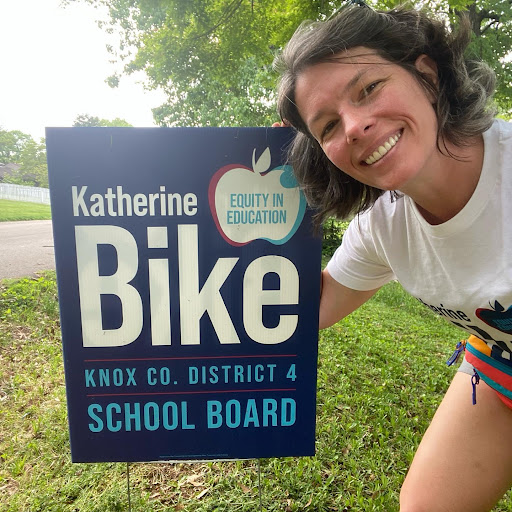
However, the reversal followed a period of intense internal debate. School board member Katherine Bike emerged as a prominent voice against the restriction, issuing a memo to her colleagues that challenged the neutrality of such administrative actions. “Removing Roots is not a neutral act,” Bike wrote. “It sends a message to our students, particularly our Black students, about whose history is worth protecting.”
Broader Implications for School Libraries
The reinstatement of Roots is viewed by many advocates as a victory for those who argue that access to diverse and challenging literature is essential for a robust education. State Representative Sam McKenzie, whose district encompasses the area where the Haley statue stands, publicly characterized the initial ban as a “grave injustice.” Reflecting on the cultural significance of the work, McKenzie noted that the book inspired and united millions of Americans, and its removal from school libraries was a step that disregarded its profound educational value.
The debate in Knox County is part of a larger, ongoing national discussion regarding the reach of state law into public school libraries. While Roots has been restored, the district continues to manage a significant list of other titles that have faced similar scrutiny. The success of the campaign to restore this specific title highlights the efficacy of public advocacy and internal school board oversight in challenging policies that limit academic access.
What Comes Next for District Policy
As the district moves forward, the focus is expected to shift toward the remaining titles on the contested list. The situation in Knox County serves as a case study in how educational institutions navigate the pressures of state mandates while balancing the needs of a diverse student body. While the immediate matter of Roots has been resolved, the underlying questions regarding how school districts evaluate and categorize literary works under evolving state laws remain at the forefront of the educational discourse.
For parents, educators, and community members in Knox County, the next steps will likely involve further board discussions regarding the criteria used for book challenges and the transparency of the review process. Those interested in following the latest developments are encouraged to monitor upcoming school board meeting agendas and official district communications.
We invite our readers to share their thoughts on the balance between educational standards and student access to literature in the comments section below.
Related reading