
Gwangmyeong City Receives Minister’s Award for Green Building and Carbon Neutrality Leadership
Gwangmyeong City has been awarded the Minister of Climate, Energy, and Environment Award for its excellence in green building policies and carbon neutrality initiatives. The city secured the honor during the Korea Energy Efficiency & Eco-Friendly Awards, a national recognition program hosted by Energy Economy News to highlight advancements in sustainable energy and environmental management.
The recognition highlights Gwangmyeong’s efforts to integrate energy-efficient technologies into urban infrastructure. By prioritizing green building standards, the city aims to reduce its total carbon footprint and align with South Korea’s broader national climate objectives. The award ceremony acknowledged the city’s ability to implement practical, scalable environmental policies at the municipal level.
What is the Korea Energy Efficiency & Eco-Friendly Award?
The Korea Energy Efficiency & Eco-Friendly Awards serve as a prominent domestic platform for recognizing excellence in the energy and environmental sectors. According to Energy Economy News, the event is hosted by the publication and receives sponsorship from the Ministry of Climate, Energy, and Environment. The program evaluates the performance of both public institutions and local governments in the areas of energy conservation and eco-friendly innovation.
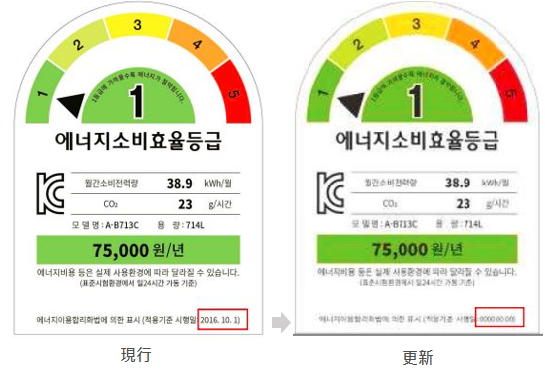
The awards aim to incentivize organizations to adopt more efficient resource management practices. By highlighting successful models of energy efficiency, the program seeks to encourage a transition toward a low-carbon economy across South Korea. Winners are typically selected based on their measurable contributions to reducing energy consumption and their implementation of innovative green technologies.
How did Gwangmyeong City secure the recognition?
Gwangmyeong City earned the Minister’s Award through its focused approach to green building and urban sustainability. While specific technical metrics for the award were not detailed in the initial announcement, the city’s recognition centers on its leadership in carbon neutrality and the promotion of energy-efficient construction practices.
Municipal leaders in Gwangmyeong have moved to implement policies that incentivize the adoption of green building standards. These standards often include requirements for better insulation, high-efficiency HVAC systems, and the integration of renewable energy sources into new developments. Such policies are designed to lower the long-term energy demand of urban residential and commercial sectors, which are traditionally high emitters of greenhouse gases.
The city’s strategy reflects a shift toward “smart” urban management, where data-driven decisions help monitor and reduce energy waste. This proactive stance has positioned Gwangmyeong as a model for other local governments attempting to balance rapid urban growth with environmental responsibility.
Why green building policies are central to South Korea’s climate goals
The emphasis on green building in Gwangmyeong aligns with South Korea’s national commitment to achieving carbon neutrality by 2050. The building sector represents a significant portion of total energy consumption and carbon emissions in highly urbanized nations. To meet national targets, the South Korean government has introduced various mandates, including the Zero Energy Building (ZEB) certification system.
The ZEB system requires buildings to produce as much energy as they consume through high-performance envelopes and on-site renewable energy generation. As these requirements expand from public buildings to private residential developments, the role of local governments becomes critical. Cities like Gwangmyeong act as the primary implementers of these national mandates, managing the local zoning, permits, and incentives that make green construction feasible.
Effective green building policies provide several benefits beyond carbon reduction:
- Reduced Utility Costs: High-efficiency buildings lower electricity and heating expenses for residents and businesses.
- Enhanced Urban Resilience: Improved insulation and energy systems help buildings maintain stable temperatures during extreme weather events.
- Economic Stimulus: The demand for green technologies fosters local jobs in the renewable energy and sustainable construction sectors.
The role of local governments in urban decarbonization
While national governments set the legal frameworks and long-term targets, the actual realization of carbon neutrality happens at the city level. Local governments manage the infrastructure, public transportation, and waste management systems that drive a city’s daily carbon output. Gwangmyeong’s award underscores the importance of municipal-level agency in the global fight against climate change.

Local authorities are responsible for translating high-level environmental goals into actionable urban planning. This includes developing green spaces to mitigate urban heat island effects, upgrading public buildings to meet energy efficiency standards, and supporting local businesses in their transition to sustainable practices. When a city successfully demonstrates that green policies can coexist with economic development, it creates a blueprint for neighboring municipalities.
The success seen in Gwangmyeong suggests that localized, specialized policies—such as those targeting the building sector—can yield significant results. This bottom-up approach is increasingly viewed by environmental experts as a necessary component of a comprehensive national climate strategy.
Key Takeaways from Gwangmyeong’s Recognition
- Award Focus: The Minister’s Award recognizes excellence in energy efficiency and eco-friendly urban management.
- Core Strategy: Gwangmyeong’s success is tied to its leadership in green building policies and carbon neutrality efforts.
- National Alignment: The city’s actions support South Korea’s 2050 carbon neutrality goal and the expansion of Zero Energy Building standards.
- Implementation Model: The award highlights the essential role local governments play in executing national environmental mandates.
The next step for Gwangmyeong City will involve the continued evaluation of its energy policy impacts and the potential expansion of its green building incentives to more diverse urban sectors. Further updates on municipal environmental targets are expected to be released in upcoming local government budget and planning sessions.
What do you think about the role of local cities in fighting climate change? Share your thoughts in the comments below and share this article with your network.
Keep reading