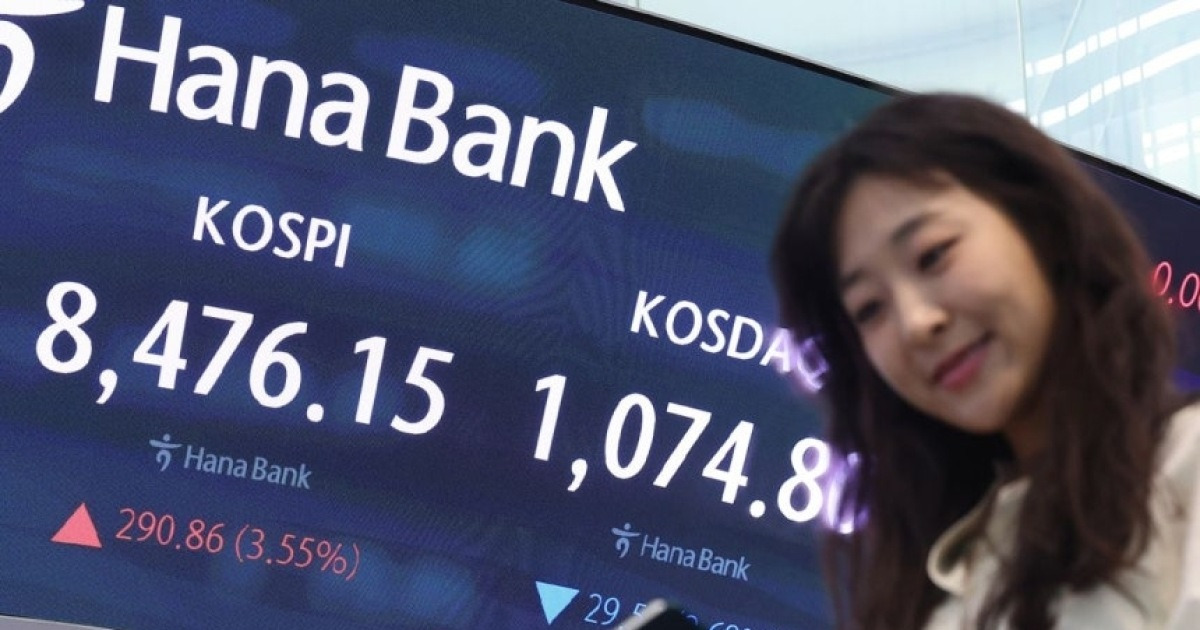
As of June 1, 2026, the South Korean stock market has reached a historic milestone, with the KOSPI index surging past the 8,800-point threshold during intraday trading. This rapid ascent has ignited widespread discussion regarding the sustainability of the rally and the potential for a market correction, as investors weigh the implications of a “9,000-point” target against the underlying structure of the index.
The current market environment, characterized by significant volatility and high-growth expectations, underscores a complex reality for the broader economy. While the headline index continues to break records, market analysts are increasingly scrutinizing the concentration of this growth, particularly the influence of dominant technology sectors on the overall performance of the KOSPI index. For global observers and domestic investors alike, understanding the distinction between index-wide momentum and sector-specific performance is essential for navigating the current financial landscape.
Understanding the KOSPI Rally
The KOSPI, the representative stock market index of South Korea, has demonstrated remarkable resilience and growth in recent sessions. On June 1, 2026, the index recorded a significant intraday gain, reaching levels previously unseen in its history. According to data from the Korea Exchange (KRX), this momentum has been largely driven by heavyweights in the semiconductor industry, which continue to attract substantial capital inflows.
However, the reliance on a narrow segment of the market has prompted questions regarding the breadth of this bull run. When specific technology leaders are removed from the calculation, the performance of the remaining components of the index paints a different picture, often trailing the headline figures significantly. This phenomenon of “sector concentration” is a common feature in major global markets, yet it serves as a critical indicator for those assessing systemic risk.
The Semiconductor Effect and Market Concentration
The semiconductor sector remains the engine of the current market cycle. As global demand for high-performance computing and artificial intelligence infrastructure continues to scale, companies such as Samsung Electronics and SK Hynix have become primary drivers of index appreciation. This concentration means that the KOSPI’s health is often inextricably linked to the global semiconductor supply chain and the cyclical nature of that industry.

For the average investor, this concentration presents both opportunities and challenges. While the surge in technology shares has pushed the KOSPI toward the 9,000-point mark, the performance of mid-cap and small-cap stocks—often more representative of the domestic real economy—has not necessarily mirrored the index’s record-breaking climb. This divergence is a focal point for economists monitoring the health of the broader South Korean economic landscape, including GDP growth and export performance, as detailed by the Bank of Korea.
Key Factors Influencing Market Sentiment
- Global Tech Demand: The sustained need for advanced memory and logic chips remains the primary catalyst for the current market valuation.
- Capital Inflows: Continued interest from institutional and foreign investors has supported the upward trajectory of large-cap technology shares.
- Economic Indicators: Analysts are closely watching how national GDP growth trends correlate with the performance of the broader equity market.
- Valuation Concerns: As the index approaches new psychological barriers, the discussion regarding “bubble” risks often intensifies among market participants.
Assessing Potential Risks
The term “bubble” is frequently used in financial discourse when market valuations outpace historical averages or fundamental economic indicators. While some market participants view the current KOSPI levels as a reflection of long-term growth potential in the digital era, others advise caution, noting that historical market cycles often undergo corrections after periods of rapid, narrow-based appreciation. Regulatory bodies, including the Financial Supervisory Service (FSS), maintain oversight to ensure market integrity and transparency during periods of extreme volatility.

Investors are encouraged to utilize official resources provided by the Korea Exchange and financial regulatory portals to stay informed about market filings, listed company disclosures, and official notices regarding trading halts or volatility alerts. Relying on primary data rather than speculative sentiment is the most effective way to manage portfolio risk in a rapidly changing environment.
Looking Ahead
As the KOSPI navigates the path toward 9,000 points, the focus will remain on the sustainability of the semiconductor boom and the potential for a “catch-up” rally in other sectors of the economy. The market remains sensitive to external shocks, including shifts in global interest rate policies and geopolitical developments that could influence the semiconductor supply chain.
The next major checkpoint for investors will be the release of upcoming quarterly earnings reports and macroeconomic updates from national financial institutions. These reports will provide further clarity on whether the current market momentum is supported by fundamental earnings growth or if it is primarily driven by speculative sentiment. We invite our readers to share their perspectives on the current market climate in the comments section below, as we continue to track these developments with rigorous, data-driven analysis.
- CGM Support for Association Members: A Vital Investment in Health Insurance Savings and Diabetes Complication Prevention
- WHO and African Union Renew Strategic Partnership to Advance Health Security and Universal Health Coverage
- Dream Industrial REIT Enters UK Multi-Let Market and Expands European Ventures (archyde.com)
- Dentist Warning on Market Crash: Why Hospitals Suffer During Dips (world-today-news.com)