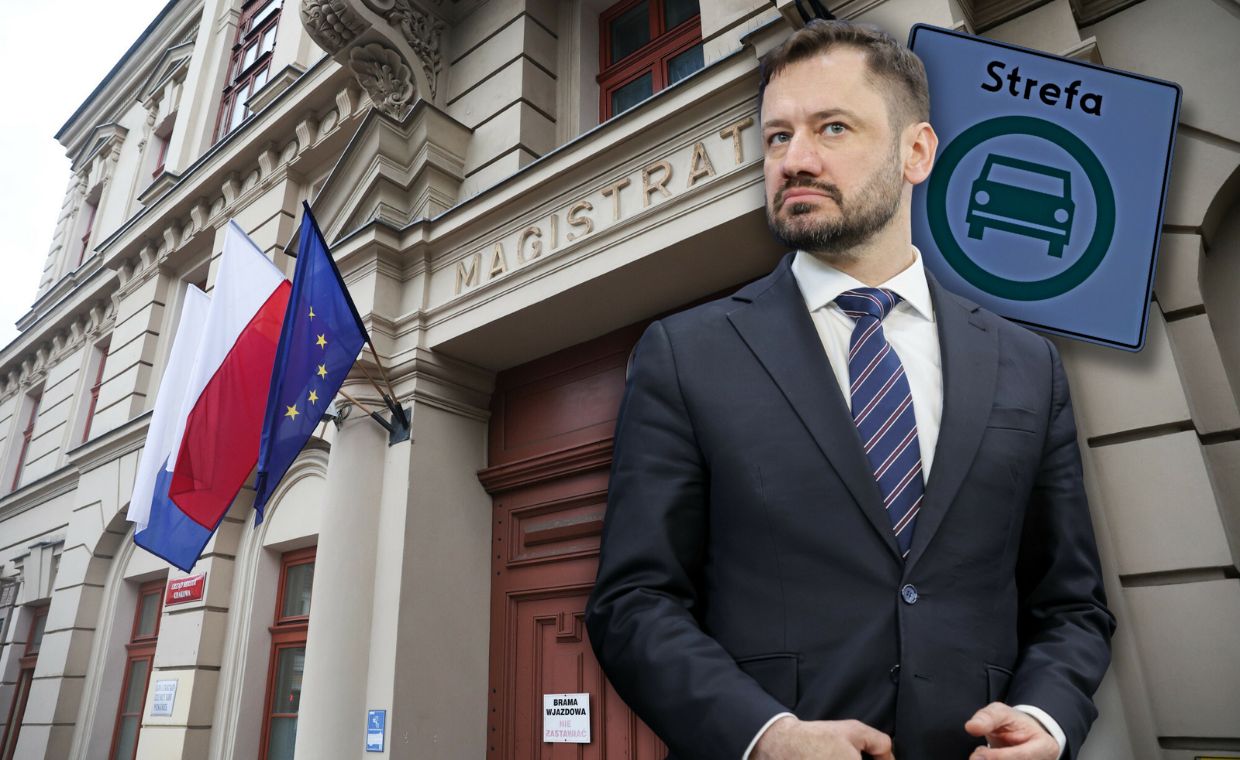
Kraków, Poland’s historic cultural capital, is currently navigating a period of significant political uncertainty following a high-stakes local referendum. As the dust settles on the polling process, the city’s governance structure faces a transition that has captured the attention of observers across the country, marking a critical juncture for local administration and regional political stability.
The recent vote, which saw citizens head to the polls to weigh in on the future of the city’s leadership, has effectively reshaped the local political landscape. As reported by the National Electoral Commission (PKW), the validity of such referenda is contingent upon meeting specific participation thresholds, a milestone that has now been reached, triggering subsequent administrative requirements for the municipality.
Understanding the Referendum Framework
In Poland, a referendum regarding the recall of a local government body—such as the president of a city—is governed by strict legislative requirements. According to the Act on Local Referendum, for a vote to be considered binding, at least 30% of the residents eligible to vote in the most recent election for that specific body must participate. Once this threshold is surpassed, the result of the referendum becomes the official mandate for the local authorities.
The atmosphere in Kraków during the lead-up to the vote was characterized by intense public discourse. Local observers and political analysts have pointed to a variety of factors that influenced voter sentiment, ranging from infrastructure management and urban development policies to broader concerns regarding the efficacy of local governance. These issues collectively served as the catalyst for the mobilization of the electorate.
The Implications for Local Governance
The outcome of the referendum necessitates a recalibration of the city’s executive branch. When a municipal president is recalled through a successful referendum, the legal framework dictates that the Prime Minister of Poland must appoint an acting official to oversee the city’s affairs until a new election can be organized. This process is outlined in detail within the Act on Municipal Self-Government, which ensures that administrative continuity is maintained during the interim period.

For the residents of Kraków, the focus now shifts toward the upcoming electoral cycle. Political parties and independent organizations are beginning to evaluate potential candidates who may step forward to lead the city. The search for a successor is expected to be a rigorous process, as the city balances its role as a major tourism hub, a center for education, and a key driver of the Polish economy.
Contextualizing the Political Landscape
While local elections are often dominated by municipal issues—such as public transport, housing policy, and the preservation of historic districts—the intensity of this specific referendum has led some national commentators to view it through a broader lens. Throughout the process, the importance of civic engagement has been a recurring theme, with various civil society groups encouraging residents to exercise their democratic right to shape the future of their local community.
The transition period will require careful navigation to ensure that ongoing urban projects and budgetary commitments remain on schedule. Officials are expected to provide updates on the transition timeline in the coming weeks, as the formal procedures for the interim administration are finalized by the national government. For those seeking official documentation or updates on the electoral timeline, the Kraków City Council’s Public Information Bulletin remains the primary source for verified municipal announcements.
Looking Ahead: The Path to New Leadership
As Kraków moves forward, the primary focus for the municipal administration will be maintaining stability and addressing the day-to-day needs of its citizens. The formal recall process, once finalized by the relevant electoral and administrative bodies, will pave the way for a new, democratically elected president. The city’s history of resilience and its robust administrative framework are expected to guide it through this period of change.
We will continue to monitor the situation as official announcements regarding the appointment of an acting president and the scheduling of subsequent elections are made by the central government. For residents and stakeholders, staying informed through official government channels is the best way to track the progress of these developments. We invite our readers to share their thoughts on the future of Kraków’s administration in the comments section below.
Worth a look
- 17th Edition of Le FestiVal d’Anniviers Returns to Valais, Switzerland
- Trotzdem da! Traveling Exhibition Focuses on Children from German Relationships in Frankfurt
- Alberta Separation Petition Hits Signature Goal But Faces Legal Stay (time.news)
- Howard University Faces Backlash After Disenrolling Hundreds of Incoming Freshmen (archyde.com)