
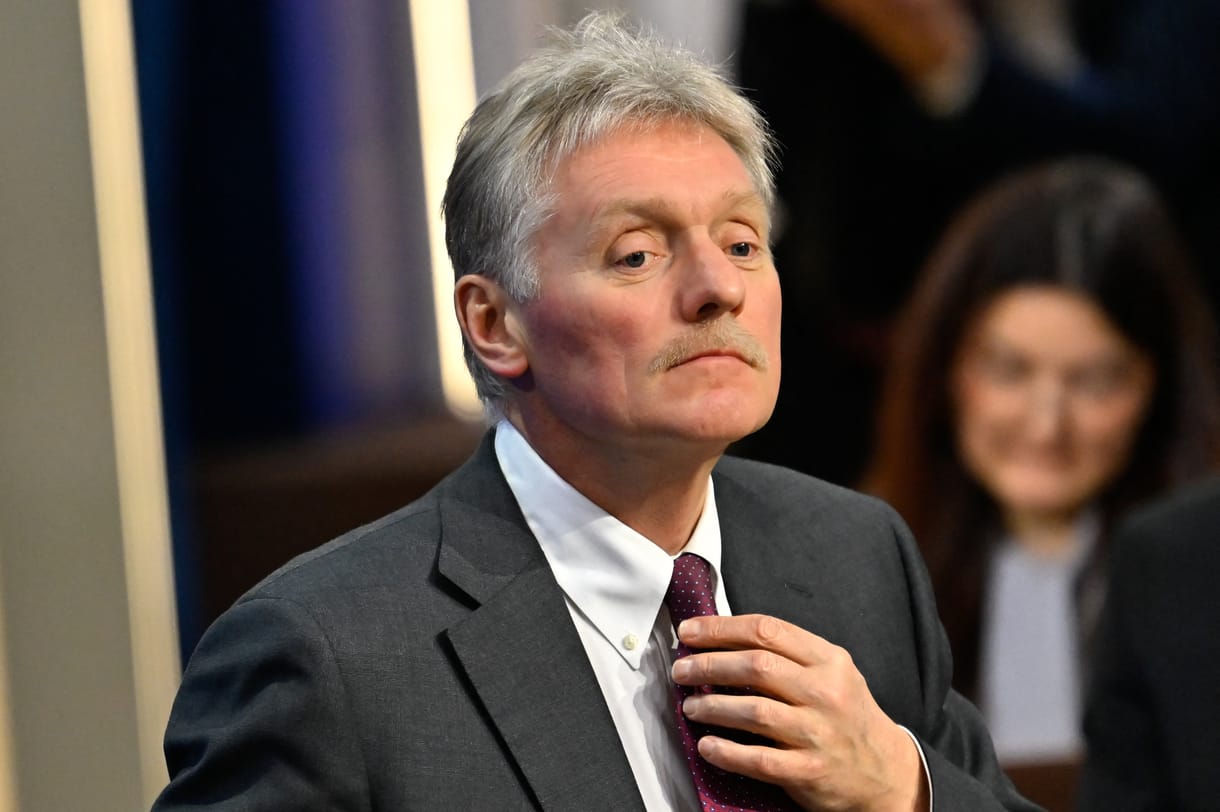
The Kremlin confirmed that Russia is conducting negotiations regarding the import of fuel, specifically focusing on energy arrangements with Hungary. Kremlin spokesperson Dmitry Peskov stated that the Russian government is in dialogue with Hungarian authorities to ensure a stable energy supply, according to reports from hvg.hu and official Russian state communications.
These discussions occur as Hungary continues to navigate European Union sanctions on Russian energy while maintaining a distinct strategic partnership with Moscow. The talks center on the procurement of hydrocarbons and the technical specifics of fuel deliveries to maintain Hungary’s domestic energy security.
The diplomatic effort highlights the ongoing tension between Brussels’ efforts to decouple the bloc from Russian energy and Budapest’s insistence on bilateral agreements to avoid economic volatility. Prime Minister Viktor Orbán has repeatedly argued that Hungary’s energy infrastructure is too deeply integrated with Russia to allow for an immediate transition without severe economic damage.
Why is Russia negotiating fuel imports with Hungary?
Russia is seeking to maintain its energy market share in Central Europe, while Hungary requires a guaranteed flow of oil and gas to power its industry and heating systems. According to the Reuters reporting on EU energy trends, Hungary is one of the few remaining EU members with significant pipeline dependencies on Russian crude oil through the Druzhba pipeline system.
The negotiations are primarily driven by the need to establish pricing and volume frameworks that comply with current international legal constraints while ensuring that the Hungarian refineries, such as MOL, continue to operate. The Kremlin’s confirmation of these talks suggests a willingness to provide exemptions or specific contractual terms that allow fuel to flow despite the broader geopolitical conflict in Ukraine.
For Hungary, these negotiations serve as a hedge against potential energy shortages. The Hungarian government has consistently sought waivers from the European Commission regarding the import of Russian oil, citing the lack of alternative infrastructure to transport non-Russian crude to its landlocked refineries.
How do EU sanctions affect these fuel negotiations?
The European Union has implemented a series of sanctions packages aimed at reducing the revenue the Russian state derives from energy exports. Under these regulations, the EU banned the import of seaborne crude oil and petroleum products from Russia, though certain land-based pipeline imports were granted specific exemptions for a limited number of countries, including Hungary.
According to the European Commission, these sanctions are designed to exert economic pressure on the Kremlin to end the invasion of Ukraine. However, the “Hungarian exception” has become a point of contention within the EU, as it allows Budapest to continue purchasing Russian oil via the Druzhba pipeline.
The current negotiations mentioned by Peskov likely involve the transition of these temporary waivers into more permanent or structured agreements. The Kremlin is leveraging these talks to demonstrate that Russia remains a reliable energy partner to specific European nations, even as the rest of the continent pivots toward Liquefied Natural Gas (LNG) from the United States and Qatar.
What are the economic implications for Hungary and Russia?
For the Russian economy, maintaining the Hungarian market ensures a steady stream of foreign currency and prevents a total collapse of its export routes to Central Europe. While the volume of fuel sent to Hungary is small compared to global exports, the political value of a “friendly” EU partner is significant for Moscow’s diplomatic strategy.
In Hungary, the cost of fuel is a primary driver of inflation. By negotiating directly with the Kremlin, the Hungarian government aims to secure prices that are lower than those on the global spot market. If negotiations fail or sanctions tighten further, Hungary would be forced to import more expensive refined products or invest billions in new infrastructure to import oil from the Adriatic coast.
The role of MOL, Hungary’s largest oil and gas company, is central to these talks. As the primary operator of the refineries, MOL’s ability to process Russian Urals crude is the technical foundation upon which these political negotiations are built.
Who is affected by the Kremlin’s confirmation of these talks?
The primary stakeholders affected by these negotiations include:

- Hungarian Consumers: The outcome of these talks directly impacts pump prices and home heating costs across Hungary.
- EU Policy Makers: The continued energy link between Budapest and Moscow complicates the EU’s unified front against Russian aggression.
- Russian Energy Firms: Companies like Rosneft and Gazprom rely on these bilateral agreements to maintain logistical flows through existing pipelines.
- Neighboring Central European States: Countries like Slovakia and the Czech Republic monitor Hungary’s agreements, as they share similar pipeline infrastructure and economic vulnerabilities.
The confirmation from the Kremlin signals to the international community that the energy “divorce” between Europe and Russia is not absolute and that bilateral loopholes remain active.
What happens next in the energy dialogue?
The next critical checkpoint will be the renewal or modification of EU sanction waivers, which are periodically reviewed by the European Commission. Observers will be watching for official announcements from the Hungarian Ministry of Foreign Affairs and Trade regarding the signing of new long-term supply contracts.
Furthermore, any shift in the price of Brent crude or the introduction of new “shadow fleet” regulations by the G7 could alter the terms of the negotiations currently taking place between the Kremlin and Budapest.
Readers are encouraged to share this report and leave comments regarding how energy dependencies continue to shape European diplomacy.